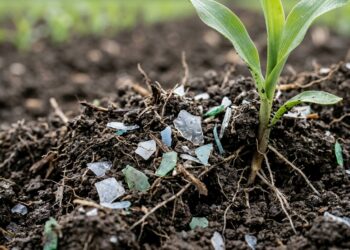
Chemically Treated PET Microplastics Alter Soil Responses and Reduce Maize Biomass
A 90-day pot experiment reveals that chemically dissolved and precipitated PET microplastics alter soil microbial endpoints and reduce maize biomass ...
A 90-day pot experiment reveals that chemically dissolved and precipitated PET microplastics alter soil microbial endpoints and reduce maize biomass ...
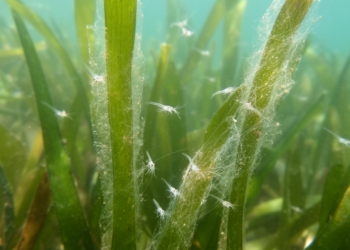
A study in Varna Bay found dense microparticle accumulation on eelgrass leaves while associated sea snails and round gobies carried ...
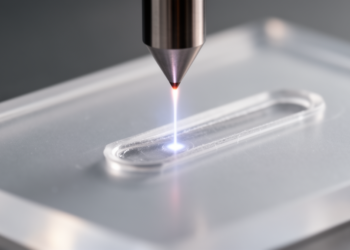
Researchers demonstrate that efficient material removal during ultrafast laser processing can suppress heat-affected deformation in poly(vinyl chloride) at kilohertz repetition ...
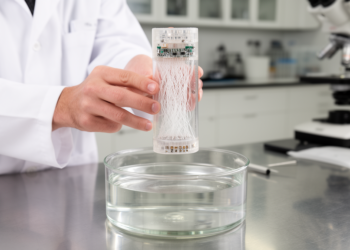
A comprehensive review evaluates how terephthalic acid recovered from waste polyethylene terephthalate performs when synthesized into metal-organic frameworks for electrochemical ...
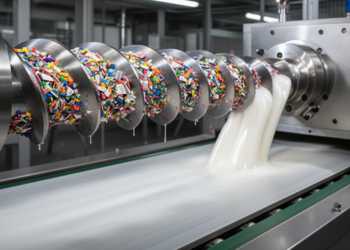
A computational fluid dynamics model of a single-screw extruder demonstrates that reducing screw speed and controlling zone temperatures maximizes output ...
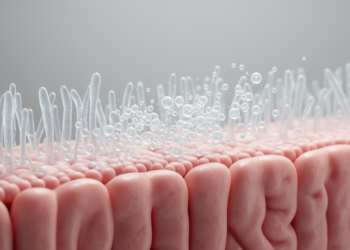
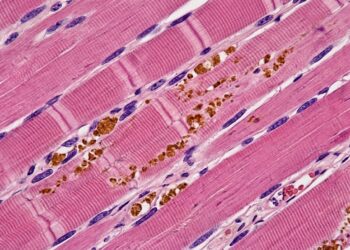
Researchers find that polyethylene terephthalate microplastics and nanoplastics disrupt the gut-liver axis, alter microbial composition, and cause hepatic toxicity.
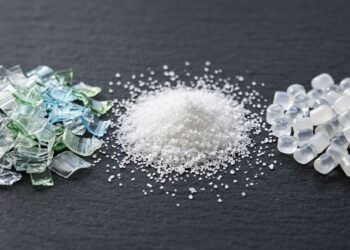
A comparative review evaluates how chemical recycling and enzymatic biorecycling depolymerize polyethylene terephthalate into reusable monomers to advance a circular ...

Researchers established that electrochemical deposition of silver nanowires inside track-etched membrane pores for 150 seconds delivers peak surface-enhanced Raman scattering ...
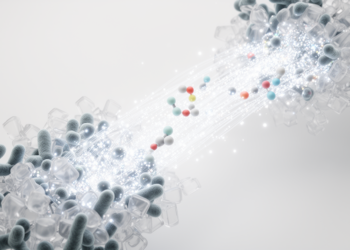
Novel Rhodococcus strains completely degrade high concentrations of terephthalic acid while producing exopolysaccharides and polyhydroxyalkanoates under osmotic stress.
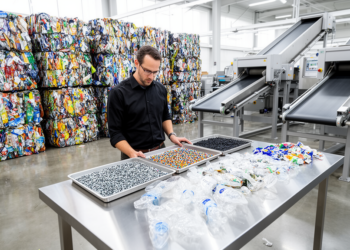
A benchmarking study reveals that fine-tuned GPT models cannot reliably replicate expert estimations for national plastics accounting tasks due to ...
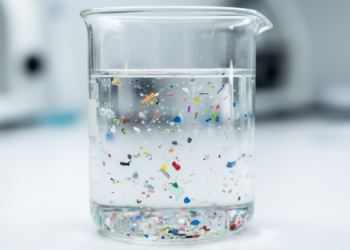
A pilot assessment of residential tap water in Wrocław, Poland, detected microplastic concentrations between 23 and 45 particles per liter, ...
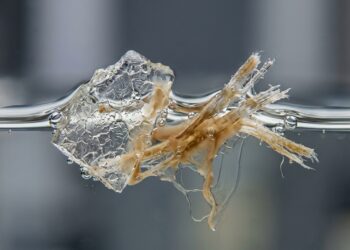
A scientific review outlines how tailored green solvents can simultaneously depolymerize environmental microplastics and destabilize microbial biofilms that accelerate antibiotic ...
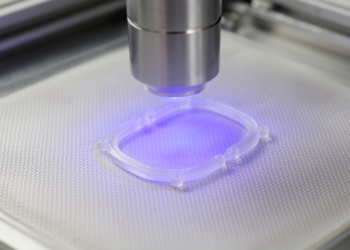
Ultraviolet-ozone surface treatment of polyethylene terephthalate fabric increases the peel strength of directly 3D-printed thermoplastic polyurethane by up to 239 ...

A passive sampling study in Rionegro, Colombia, found that indoor air accumulated significantly higher concentrations of anthropogenic particles and textile ...
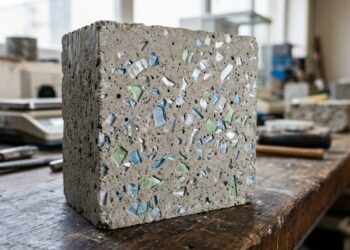
Replacing natural aggregate with recycled PET granulate reduced concrete thermal conductivity by up to 55.4 percent while moderately lowering density ...
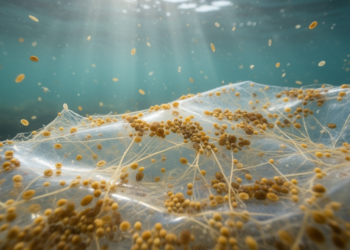
A study in Singapore reveals marine biofilm assembly on plastics is driven primarily by temporal succession rather than substrate type.
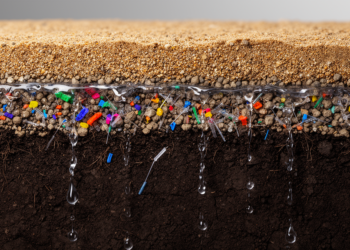
Researchers found that even trace concentrations of microplastics significantly alter soil saturated hydraulic conductivity, with effects dictated primarily by polymer ...
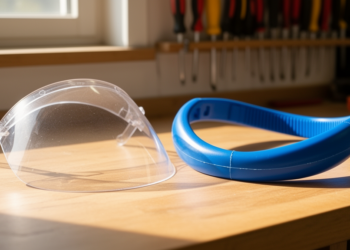
Researchers have engineered a reusable, open-source face shield optimized for polymer injection moulding that achieves an estimated unit manufacturing cost ...
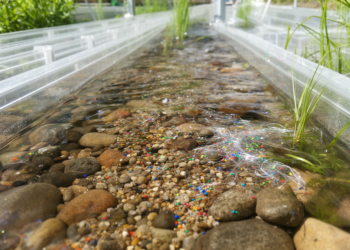
Experiments in 45-meter stream mesocosms show that microplastic retention is governed primarily by particle type and transport distance, while aquatic ...
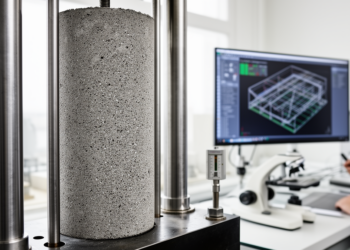
A hybrid deep learning model incorporating cement hydration kinetics accurately predicts the time-dependent mechanical strength and durability of concrete containing ...