Semaglutide Modulates Reward Behaviour and Brain Oscillations in Healthy Mice
Daily semaglutide administration in healthy mice altered stress and reward pursuit behaviours while acute exposure shifted nucleus accumbens oscillatory frequencies.
Daily semaglutide administration in healthy mice altered stress and reward pursuit behaviours while acute exposure shifted nucleus accumbens oscillatory frequencies.
A comprehensive review reveals that direct human evidence linking menopausal hormone changes to altered appetite is limited, suggesting reduced energy ...
A comprehensive behavioral analysis of male mice lacking the enzyme Sulf1 reveals distinct reductions in spontaneous movement, forelimb-specific gait abnormalities, ...
A single-blind crossover trial in healthy volunteers shows racemic ketamine does not alter neural reward processing five hours post-infusion.
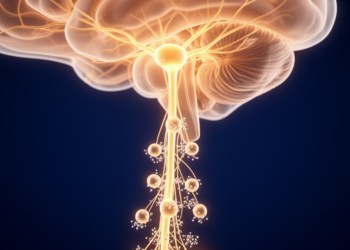
In a rat model of relapse, chemogenetically activating brainstem projections to the nucleus accumbens reduced cocaine seeking through a glucagon-like ...
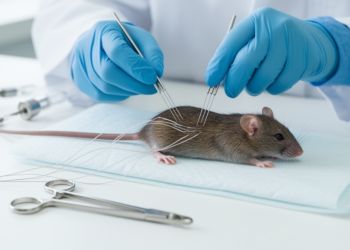
Researchers mapped how electroacupuncture at the Zusanli point alters neuronal activation across key cortical and subcortical brain regions to relieve ...

A cross-sectional fMRI study finds that amygdala and nucleus accumbens activation is associated with the surgical treatment context in patients ...

A 12-week resistance training program was associated with increased dietary restraint and decreased disinhibition in adults with overweight or obesity, ...
In a mouse model of chronic social defeat stress, researchers identified hippocampal molecular networks that associate with individual differences in ...
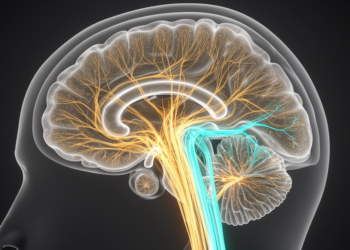
Striatal subregions play dissociable roles in stress coping, linking distinct neural stability dynamics to cortisol recovery and molecular receptor distributions.
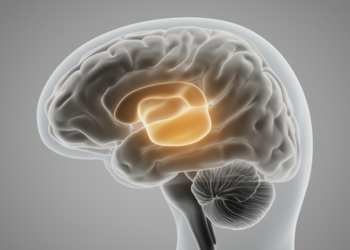
A prospective cohort study identifies structural and functional changes in the nucleus accumbens as potential biomarkers for predicting the transition ...
Researchers demonstrate that psilocybin reduces nucleus accumbens tonic GABAergic inhibition and shapes drug-appropriate responding through astrocyte-associated NFATc4 transcriptional regulation in ...
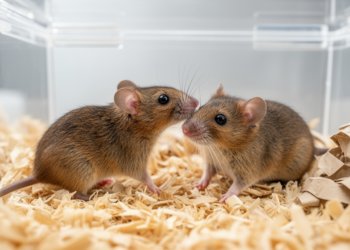
Brief exposure to an extra caregiver during early infancy increases adult social investigation and brain neuropeptide receptor expression in female ...
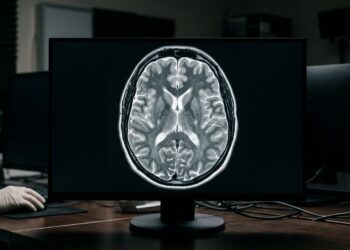
Resting-state fMRI in first-episode antipsychotic-naïve schizophrenia shows reduced functional differentiation in thalamic and striatal nuclei, with striatal changes normalizing over ...
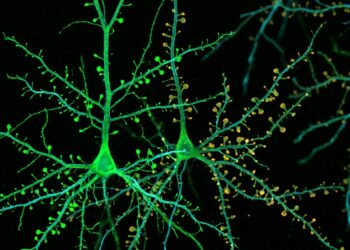
A new Frontiers collection of seven studies shows that addiction's molecular changes are cell-type-specific, spanning epigenetics, RNA modification, and human ...
Neonatal mediodorsal thalamus lesions in rats caused lasting latent inhibition deficits, elevated prefrontal D2 receptor expression, and haloperidol restored both ...
A mouse study finds adolescent oxycodone exposure increases adult remifentanil self-administration in females but not males, with sex-specific gene expression ...
Pavlovian fear conditioning, but not repeated foot shock alone, increases spine density and excitatory transmission on nucleus accumbens D2 medium ...
In male mice, accumbal dopamine dynamics tracked successful coordination independently of immediate water reward, while local D1-receptor blockade selectively impaired ...
A mouse feeding study combining automated video analysis, dopamine manipulation and pharmacological probes found that two stressors prolonged feeding bouts ...