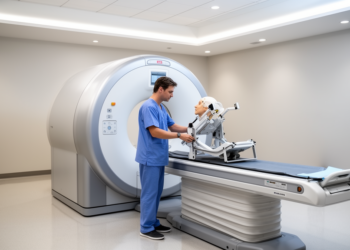
Adding Sodium Fluoride PET-CT Alters Staging and Radiotherapy Volumes in Nasopharyngeal Carcinoma
A retrospective cohort study found that adding 18F-sodium fluoride PET/CT reclassified tumor or metastasis categories in a minority of patients ...
A retrospective cohort study found that adding 18F-sodium fluoride PET/CT reclassified tumor or metastasis categories in a minority of patients ...
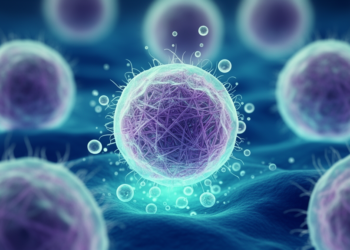
Silencing STAT1 in human nasopharyngeal carcinoma cells suppressed mesenchymal protein markers and decelerated cellular motility in wound healing assays.
A pooled analysis of three Chinese clinical trials suggests that shortening adjuvant PD-1 blockade and simplifying monitoring can reduce costs ...

A cross-sectional investigation of nasopharyngeal carcinoma patients demonstrates that higher CALLY index values are independently associated with lower malnutrition odds, ...
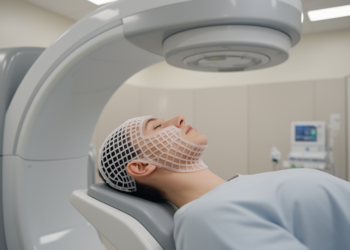
A retrospective cohort study found that neck positional discordance increased during nasopharyngeal carcinoma radiotherapy and correlated with early cone-beam CT ...
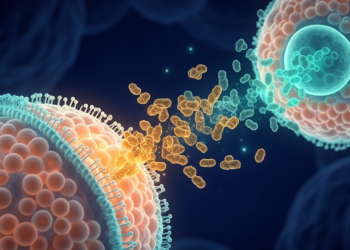
Researchers have identified Notch1 as a critical metastasis suppressor in nasopharyngeal carcinoma that curtails tumor invasion by regulating an AKT ...
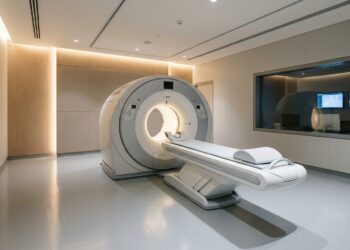
A two-center study of 148 patients found that baseline 18F-FDG PET/CT metabolic parameters, particularly whole-body total lesion glycolysis, predict survival ...

A machine-learning model utilizing routine laboratory indicators demonstrated strong predictive performance for nasopharyngeal carcinoma across multicenter cohorts.

A retrospective study of 160 patients evaluated an integrated metabolic vulnerability score to stratify progression-free survival in non-metastatic nasopharyngeal carcinoma.
Researchers identified a two-microRNA serum exosomal signature that independently predicts distant metastasis risk in patients with nasopharyngeal carcinoma.
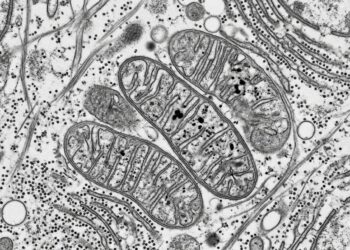
A new mitochondria-related gene signature and NT5DC3 analysis identify disease prognosis and immunosuppressive traits in nasopharyngeal carcinoma.

Researchers developed a contrast-enhanced MRI radiogenomic surrogate reflecting a composite hypoxia, angiogenesis, and epithelial–mesenchymal transition transcriptional state that associates with ...
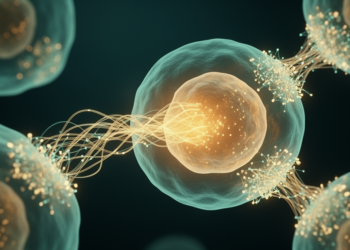
A new Cell Division study reports that cadherin genes CDH1, CDH2, and CDH3 are upregulated in nasopharyngeal carcinoma cell lines ...
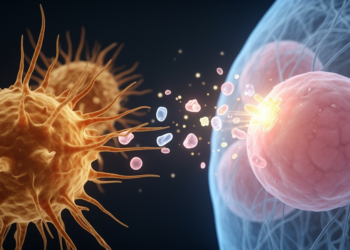
A single-cell study of pretreatment nasopharyngeal carcinoma biopsies identifies an SPP1-CD44 macrophage-tumor communication axis linked to chemotherapy tolerance.
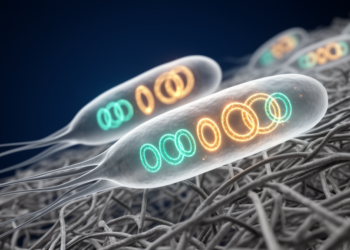
A new study shows that the circular RNA circCDYL2 stabilizes CDC42 mRNA by recruiting PTBP1, promoting cytoskeletal remodeling that enhances ...
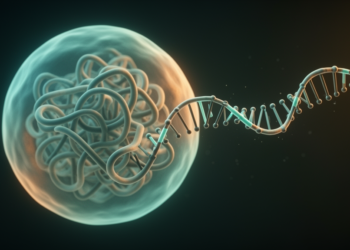
A new review in Cell Division finds that the long non-coding RNA LINC01140 acts as an oncogene in some cancers ...

During an operation to remove a recurrent nasopharyngeal tumor from a 54-year-old man, surgeons and anesthesiologists watched the patient's heart ...
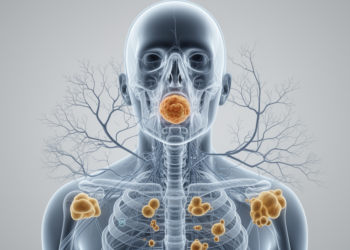
A real-world analysis of 218 patients with metachronous metastatic nasopharyngeal carcinoma proposed a prognostic classification combining metastatic-lesion count with disease-free ...
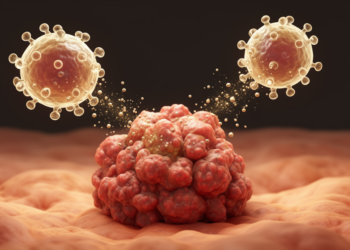
A 37-patient retrospective cohort found that immune checkpoint inhibitor–containing chemoimmunotherapy was associated with longer overall survival than chemotherapy alone in ...

An RNA sequencing study of 159 nasopharyngeal carcinoma patients found that an eight-gene ENE-related signature predicted distant metastasis risk and ...