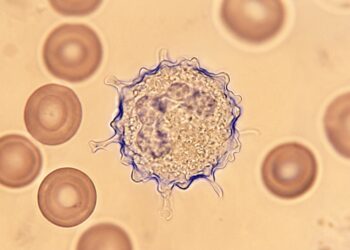
Methylene blue tames septic shock by blocking neutrophil pyroptosis through FASN
A new study reports that methylene blue protects mice from septic shock by upregulating FASN in neutrophils, which suppresses NLRP3-mediated ...
A new study reports that methylene blue protects mice from septic shock by upregulating FASN in neutrophils, which suppresses NLRP3-mediated ...
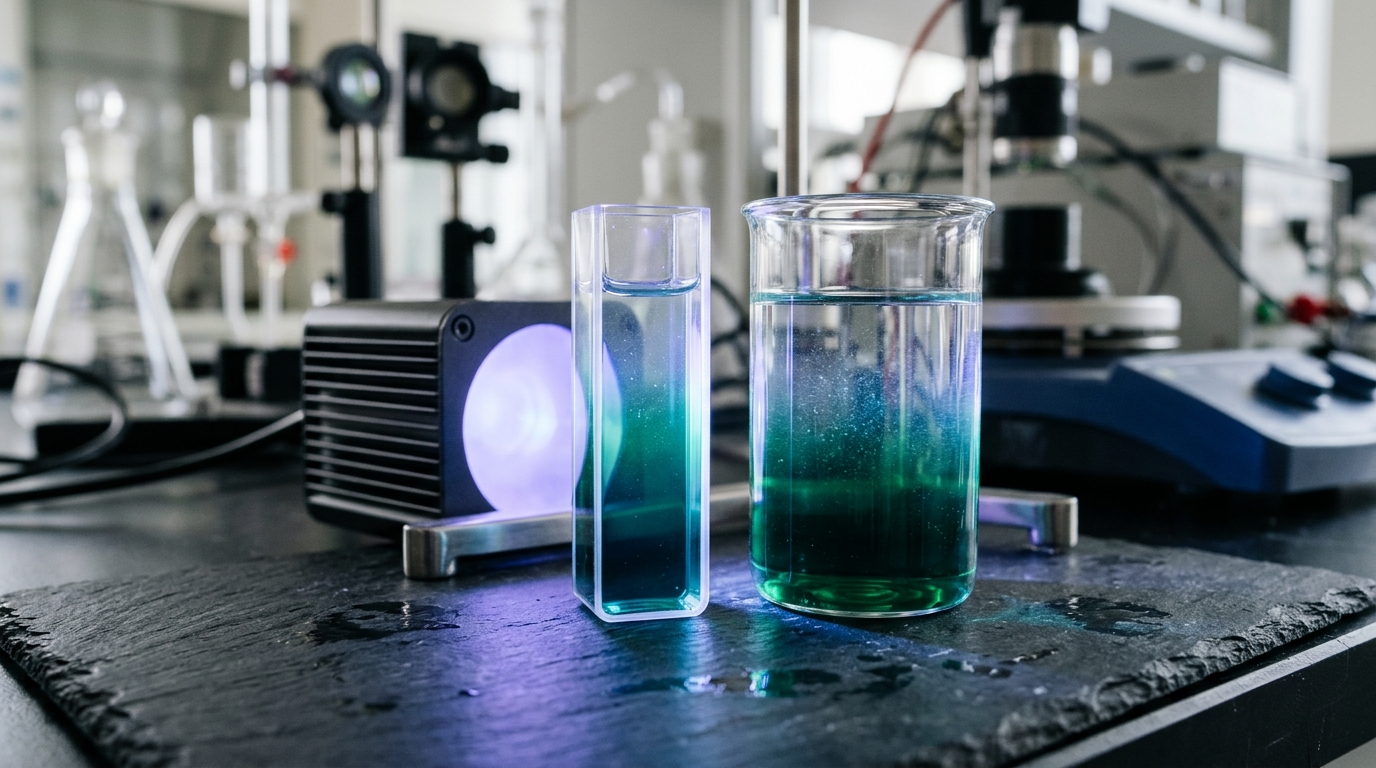
A triple-layered ZnO-SiO2@Ag nanohybrid achieved almost 98 percent degradation of methylene blue and 97 percent of malachite green under UV ...

Silver nanoparticles biosynthesized from Sonchus asper flower extract showed antioxidant, antibacterial, anti-inflammatory, antidiabetic and photocatalytic activity in laboratory and mouse ...
Researchers green-synthesized silver-doped nanoparticles from Moringa oleifera seeds, optimized their removal of methylene blue dye, and tested them on real ...
Researchers synthesized anatase titanium dioxide nanoparticles using mandarin, sweet orange and lime peel extracts, with the lime-derived material removing 92.95 ...
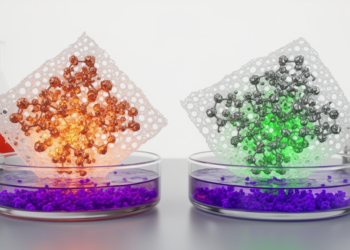
Researchers fabricated two otherwise identical cellulose-supported MOF films and found the copper-based version adsorbed more methylene blue while the nickel-based ...
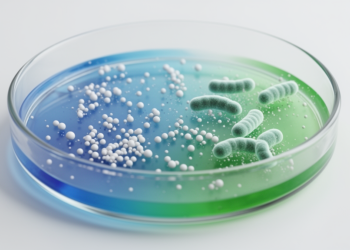
Green-synthesized magnesium oxide nanoparticles from Ecbolium ligustrinum extract degraded methylene blue and basic fuchsin under sunlight and inhibited two bacterial ...
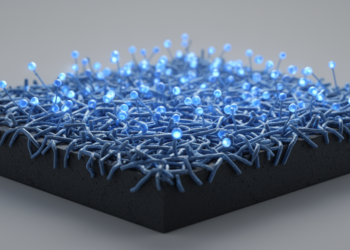
A methylene blue-assisted PANI/MnO2 nanocomposite electrode retained 99.3% of its capacitance after 3000 cycles, and a symmetric supercapacitor built from ...

A sol–gel synthesized bismuth ferrite–activated carbon nanocomposite achieved a specific capacitance of 404.0 F/g with 81.38% retention over 5000 cycles ...
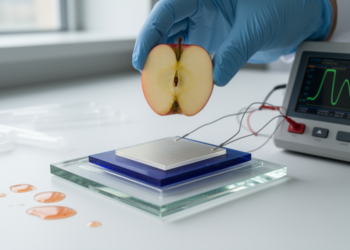
A two-layer glassy carbon electrode combining electropolymerized methylene blue and 1,5-diphenylcarbazide detected diazinon in fruit extracts down to 0.093 micromolar ...
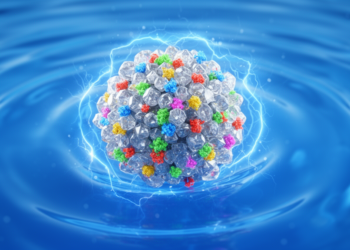
Sol–gel synthesized SrV2O6 nanoparticles achieved 3.14 Wh/kg energy density and degraded up to 94% of organic dyes under light, a ...
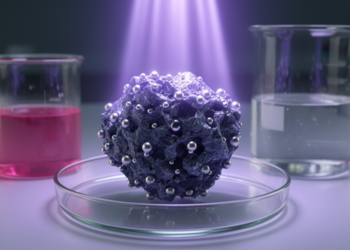
A systematic comparison of Cu-, Ni-, Co-, and Mg-substituted zinc orthotitanate spinels shows nickel doping delivers the highest UV-driven methylene ...

A systematic review of 30 studies finds photodynamic inactivation reliably destroys enveloped viruses in laboratory and blood-product settings, but clinical ...
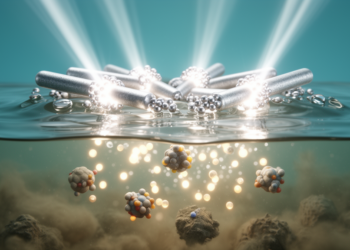
Researchers have built plasmonic Z-scheme Ag/Ag2CrO4-Bi6Cr2O15 heteronanorods via in situ hydrothermal growth, achieving markedly enhanced visible-light degradation of methylene blue ...
A new systematic review of 83 adsorbents proposes a five-criteria screening framework that identifies hydrogels, biochars, and alginate composites as ...
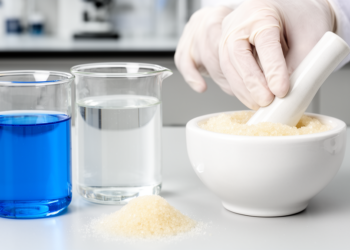
Nigerian chemists used a solvent-free mortar-and-pestle synthesis to create a zinc-based metal–organic framework that removes 99.35 percent of methylene blue ...
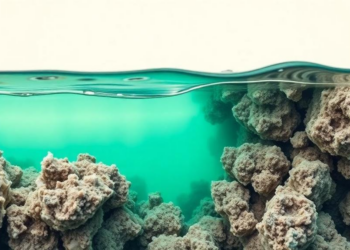
Researchers have created a porous geopolymer adsorbent from metakaolin and silica fume, using hydrogen peroxide foaming and oil templating, that ...
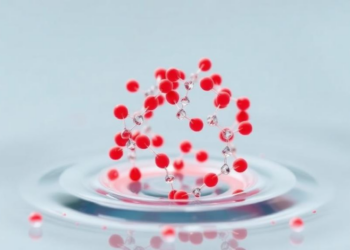
Researchers at Hacettepe University have created molecularly imprinted, silica-coated magnetic nanoparticles that selectively capture methylene blue from real water samples ...
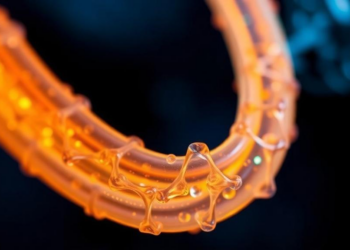
Researchers in Mexico have created graphene oxide-modified titanium dioxide nanotube-nanoring photoanodes that degrade 85 percent of methylene blue under solar ...

A nationwide survey of pediatric intensive care physicians in Türkiye finds that nearly three quarters have used methylene blue for ...