
Trace Element Contamination Detected in Household Dust in Rural Northern Thailand
Researchers found significant anthropogenic trace element contamination in household dust in rural Thailand, identifying pathways for potential child health risks.
Researchers found significant anthropogenic trace element contamination in household dust in rural Thailand, identifying pathways for potential child health risks.
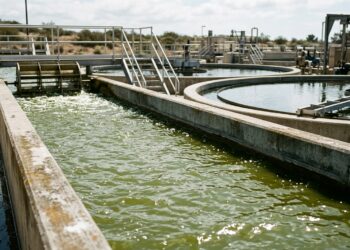
A scientific review shows that algae-based nanoparticles provide versatile tools for wastewater treatment and emerging contaminant remediation by leveraging natural ...

A sequential Gaussian simulation of northern Hainan Island's coastal groundwater identified manganese as the primary heavy metal risk, with exceedance ...

A comprehensive review shows that microwave-assisted pyrolysis produces biochars with larger surface areas, higher mesoporosity, and preserved surface functional groups ...

A secondary cross-sectional analysis of 4,188 adults in southern Italy found no robust statistical association between contemporary serum trace-element levels ...

A review reveals that heavy metals disrupt molecular chaperones, the ubiquitin–proteasome system, and lysosomal degradation, causing cellular proteostasis collapse that ...

A narrative review of 136 studies links Niger Delta oil pollution to significant respiratory and cardiovascular burdens, highlighting the need ...

A scientific review details how microplastics, chemical contaminants, air pollution, and physical environmental stressors contribute to metabolic dysfunction-associated steatotic liver ...

A systematic review of 34 empirical studies shows that coal fly ash deposition in India severely degrades soil fertility, reduces ...

A comprehensive review examines how aptamer-conjugated nanomaterials enable rapid, portable, and ultra-sensitive on-site detection of heavy metals, pesticides, antibiotics, and ...

Researchers synthesized a regenerable maleate-functionalized hydrogel from Artemisia vulgaris seeds that achieved high nickel adsorption capacities in both distilled water ...

Researchers evaluated multiple machine learning algorithms using NHANES survey data from 2005 to 2020, finding that a random forest model ...

Ice core analysis reveals that early 20th-century copper production in Montana exposed millions of North Americans to high levels of ...
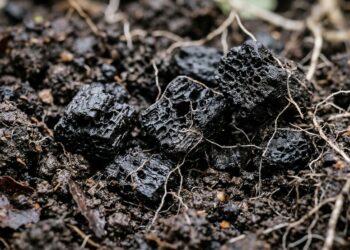
A review of 92 studies finds that biochar-immobilized microbes significantly enhance soil remediation and crop yields, though field scalability remains ...
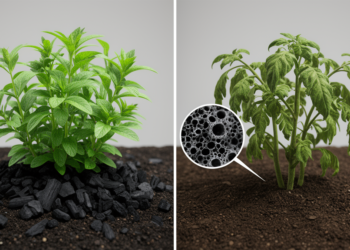
A synthesis of soil studies and experimental trials shows tailored herbaceous biochar reduces available soil cadmium and suppresses plant accumulation.

Moderately halotolerant marine bacteria and gamma-irradiated red yeast derivatives demonstrated complementary, high-efficiency removal of toxic heavy metals from synthetic saline ...

Silicon–salicylic acid nanocomposites mitigate lead-induced biochemical disturbances in basil and reduce soil lead availability.

A study of 90 soil samples from Nigerian tin mining sites finds low ecological risk and acceptable non-carcinogenic health risks, ...

Researchers developed a silver nanoparticle and activated carbon composite cathode that achieved a 96 percent removal efficiency for nickel ions ...

An eight-year Chinese greenhouse experiment found that continuous composted pig manure application raised total tetracycline residues and ARG abundance in ...