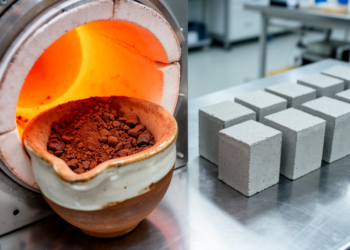
Thermal Activation of Iron Tailings at 800 Degrees Boosts Salt Cement Strength
Heating iron tailings to 800 degrees Celsius transforms inert mineral phases into reactive amorphous substances, boosting the 28-day compressive strength ...
Heating iron tailings to 800 degrees Celsius transforms inert mineral phases into reactive amorphous substances, boosting the 28-day compressive strength ...
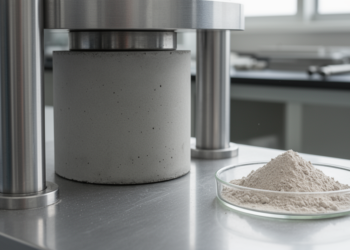
Substituting ten percent of Portland cement with controlled sawdust ash and a naphthalene-based superplasticizer produced a fifty-one percent increase in ...
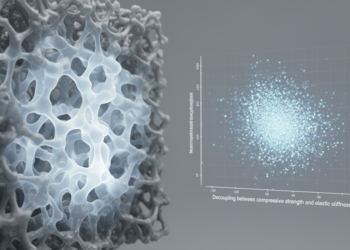
A quantitative synthesis of 229 experimental records reveals that compressive strength cannot reliably predict the mechanical properties of nanomaterial-modified geopolymer ...
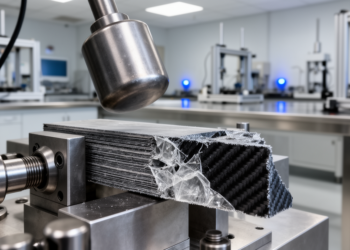
A reanalysis of hybrid natural fibre composites shows machine learning reliability depends on response shape and dimensionality alongside sample size.
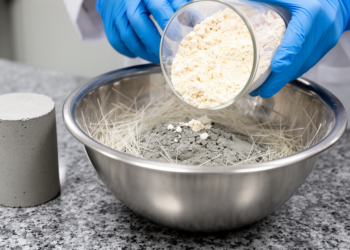
Partial replacement of cement with fifteen percent eggshell powder maintains over ninety percent of composite strength while decreasing density, binder ...
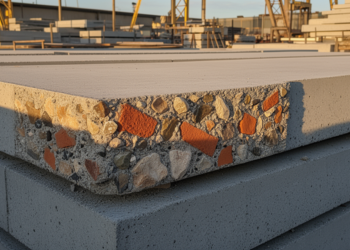
Industrial trials show fully replacing coarse gravel with mixed demolition waste yields standardized non-structural concrete floor blocks, while fine recycled ...
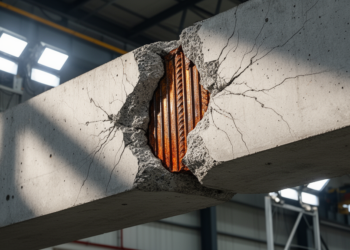
A systematic review of reinforced concrete beams reveals that extensive reinforcement exposure reduces flexural capacity by up to 55 percent ...

A new mica-rich mineral hydroplastic combines the hardness of rock with the mouldability of plastic, withstanding 1,300 °C heat and ...
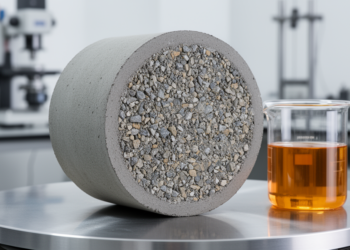
Experimental testing demonstrates that combining a chemical superplasticizer with smaller coarse aggregates significantly enhances compressive and flexural strength but alters ...
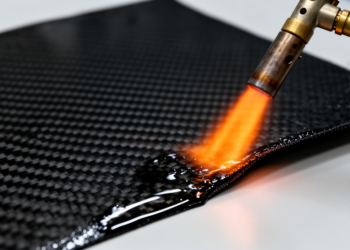
A bio-inspired carbon fabric interface engineered with ZIF-67 and cobalt phytate significantly enhances both flame retardancy and mechanical strength in ...
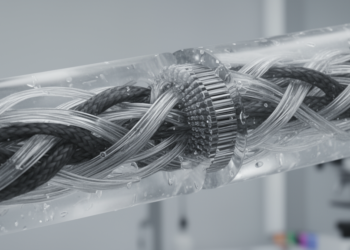
Researchers found that formulation-level validation is essential for reliably predicting the mechanical properties of multi-fiber hybrid epoxy composites using machine ...
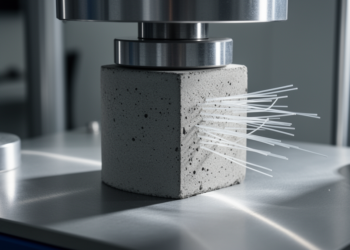
Researchers found that embedded polymer optical fibers can alter mortar compressive strength beyond simple geometric void effects.
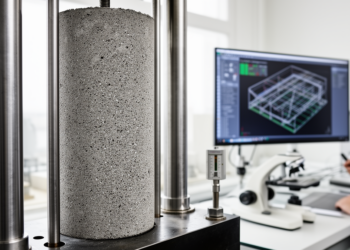
A hybrid deep learning model incorporating cement hydration kinetics accurately predicts the time-dependent mechanical strength and durability of concrete containing ...
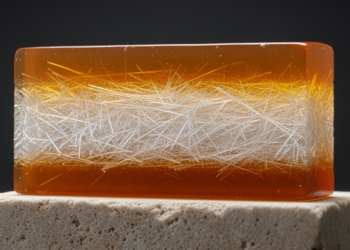
Reinforcing a polysulfide and resole polymer blend with woven E-glass fibers significantly enhanced tensile, impact, and flexural strengths for automotive ...
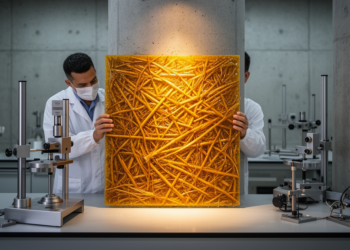
Researchers developed and tested sustainable epoxy retrofit composites reinforced with chemically treated bamboo and banana fibers, demonstrating distinct trade-offs between ...
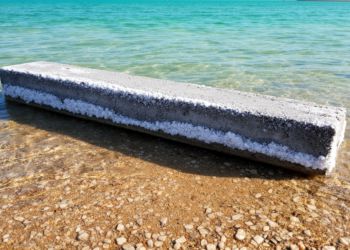
A three-year forensic evaluation revealed that Grade 30 reinforced concrete exposed to saline lagoon water suffered severe flexural strength degradation, ...
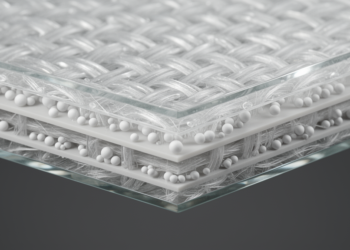
Incorporating two weight percent nanosilica alongside epoxy-terminated butadiene acrylonitrile provides an optimal balance of tensile strength, flexural stiffness, and impact ...

A study of polypropylene-fiber-reinforced joint-filling mortar demonstrated that adding a defoamer reduced shrinkage and water absorption but accelerated freeze–thaw degradation ...
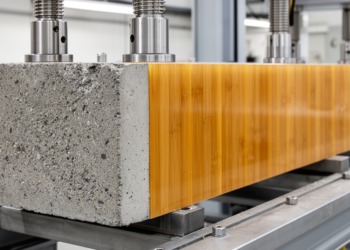
Experimental testing shows bamboo fibre-epoxy composite plates oriented at 90 degrees increase reinforced concrete beam shear capacity and promote ductile ...
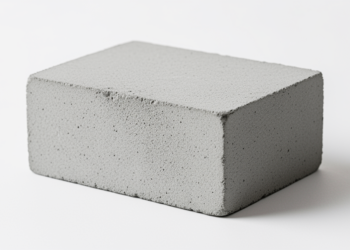
A cement-sand mortar combining 2.5% cement kiln dust and 5% fly ash achieved superior mechanical strengths and reduced water absorption ...