Low Hospital Volume and Advanced Stage Increase Esophageal Cancer Margin Risks
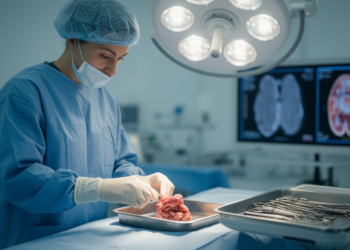
A retrospective study of 80,881 esophageal squamous cell carcinoma cases in China identified low hospital surgical volume, advanced stage, and ...
A retrospective study of 80,881 esophageal squamous cell carcinoma cases in China identified low hospital surgical volume, advanced stage, and ...
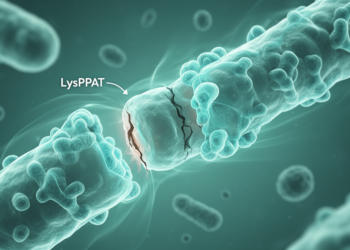
A single-cell RNA sequencing study reveals that an ETS2-expressing epithelial cell subpopulation promotes neoadjuvant chemoimmunotherapy resistance in esophageal squamous cell ...
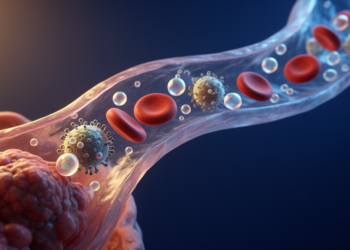
Tracking dynamic shifts in the Pan-Immune-Inflammation Value during neoadjuvant immunochemotherapy independently predicts tumor eradication and post-surgical recurrence risks in esophageal ...
An eight-gene stress granule signature stratifies survival outcomes and characterizes immune microenvironments in esophageal squamous cell carcinoma.

A multimodal artificial intelligence framework combining CT scans, pathology slides, and tumor microenvironment markers improved survival risk prediction after surgery ...
A dual-gene circulating cell-free DNA methylation assay targeting CACNA1E and SNTG1 detected early-stage esophageal squamous cell carcinoma with ninety percent ...
A multi-cohort retrospective study shows that removing at least 21 lymph nodes during radical esophagectomy identifies patients who derive no ...
A narrative review of literature through 2025 assesses neoadjuvant regimens and minimally invasive surgery in esophageal cancer, noting that survival ...
A new study in Cellular Oncology identifies GTSE1 as a key driver of esophageal squamous cell carcinoma stemness through the ...
A study in Clinical and Experimental Medicine identifies SIRPG as a key regulatory T cell-associated gene linked to poor prognosis ...
Researchers found that super-enhancer activation and m⁶A modification cooperatively drive the long non-coding RNA H19 to accelerate esophageal squamous cell ...
Researchers have identified transcription factor RARG as a candidate tumor suppressor whose loss activates PI3K/AKT signaling via PTHLH downregulation in ...
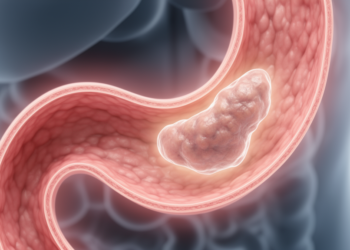
In a multicenter study of 986 patients with esophageal squamous cell carcinoma receiving definitive chemoradiotherapy, researchers developed an interpretable CT ...

A retrospective study demonstrated that computed tomography body-composition metrics and clinical features accurately predict major pathological response to neoadjuvant immunochemotherapy ...
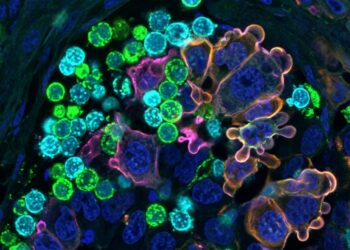
Depth of response and early tumor shrinkage serve as significant predictors of overall survival in patients receiving second-line or later ...
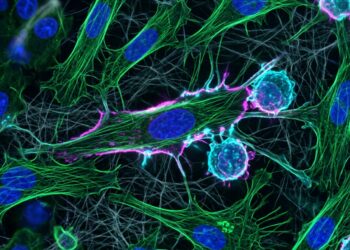
A new integrative bioinformatic study reveals that immune checkpoint and epithelial-mesenchymal transition pathways interact context-dependently to shape the tumor microenvironment ...
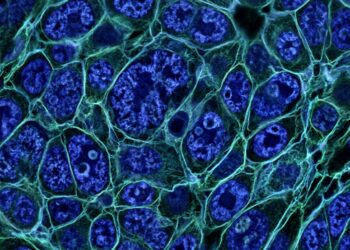
Investigators have identified an epigenetic mechanism in esophageal squamous cell carcinoma where METTL3-mediated m6A modification of the long non-coding RNA ...
A new study reports that the signaling protein VAV2 promotes glycolytic reprogramming and tumor growth in esophageal squamous cell carcinoma ...
A computational study identified KRT14 and MMP10 as macrophage-associated candidate biomarkers of chemoradiotherapy response in esophageal squamous cell carcinoma.

A Cancer Imaging correspondence flags misreported study design, unsupported validation claims and reversed responder numbers in a study of early ...