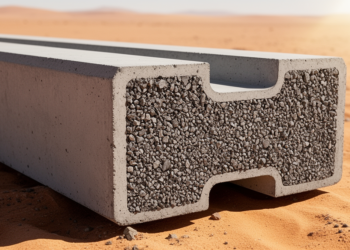
Slag Replacement in Desert Railway Concrete Sleepers Significantly Reduces Chloride Penetration
Replacing up to 40 percent of Portland cement with ground-granulated blast furnace slag in railway sleeper concrete reduced chloride ion ...
Replacing up to 40 percent of Portland cement with ground-granulated blast furnace slag in railway sleeper concrete reduced chloride ion ...
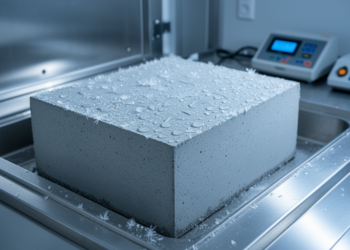
Adding metakaolin to self-compacting concrete with marble and kiln dust fillers cuts freeze-thaw surface scaling by over half while refining ...
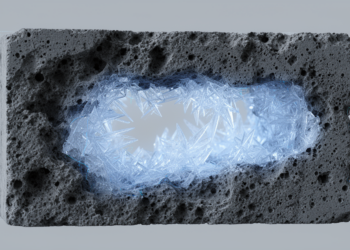
Researchers developed an automated machine learning framework using the Tree-based Pipeline Optimization Tool to predict mode-I fracture toughness degradation in ...
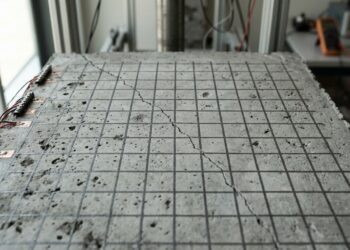
Researchers have developed a two-dimensional crack monitoring system that maps concrete damage by combining conductive grid-patterned surface coatings with an ...
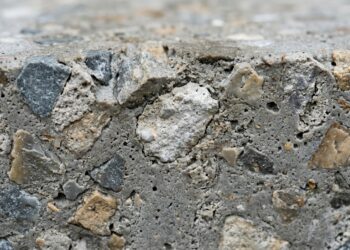
Researchers have developed a multiscale numerical model that incorporates water retention hysteresis to more accurately predict chloride ingress and durability ...
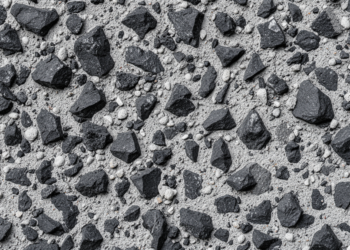
A systematic review indicates that coal gangue aggregate concrete maintains structural reliability when paired with targeted modifications, composite structural systems, ...

An engineering analysis details how China's 134.2-kilometer Pinglu Canal balances rapid placement of 11.9 million cubic meters of concrete with ...
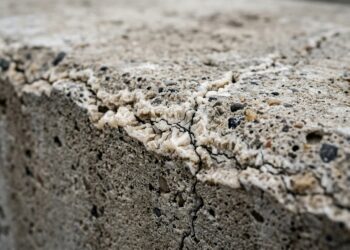
A critical review reveals that visible crack closure in alkali-activated slag materials does not necessarily equate to the recovery of ...

Field trials and numerical simulations in northern Henan demonstrate that concrete incorporating fine sixty-mesh modified rubber particles significantly improves deformation ...
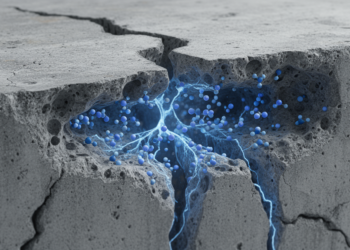
A comprehensive literature review examines two decades of numerical simulation methods for chloride transport in concrete, detailing multi-scale coupling strategies, ...
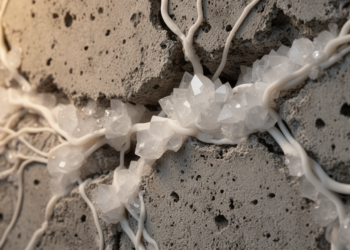
Surface sealing of cement mortar using the filamentous fungus Trichoderma reesei increased compressive strength by 25.81 percent over abiotic chemical ...
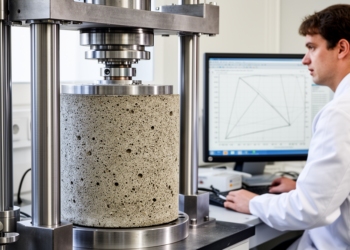
A comparative evaluation of four machine learning architectures demonstrated that gradient-boosted trees predict the compressive strength of self-healing bio-concrete with ...
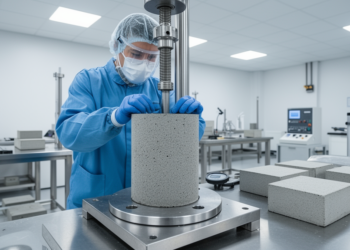
A critical global synthesis reveals that Portland limestone cement achieves mechanical and transport equivalence to ordinary Portland cement in routine ...
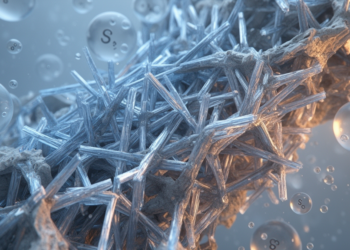
Molecular dynamics simulations demonstrate that increasing the aluminum-to-silicon ratio in calcium aluminosilicate hydrate to zero point two reduces sulfate-induced calcium ...
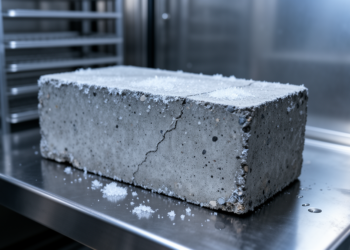
In rapid freeze-thaw tests, sodium sulfate concentration showed a non-monotonic effect on concrete deterioration, with damage increasing up to 9% ...
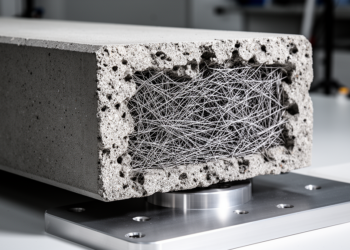
A systematic PRISMA review of 119 studies reveals that fiber reinforcement consistently improves tensile behavior and crack resistance in concrete, ...
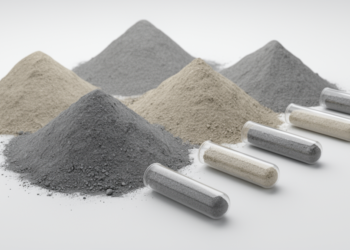
A systematic review of 47 studies identifies rice husk ash as the most effective agricultural ash for cement replacement, offering ...
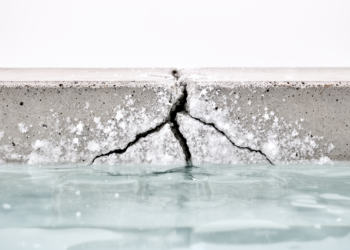
A study finds that concrete mixed and cured in hypersaline water suffers up to a 64 percent drop in compressive ...
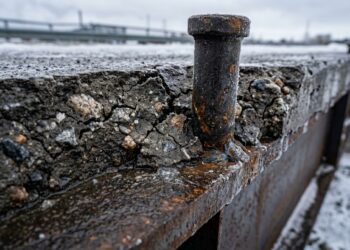
Push-out experiments and numerical simulations reveal how freeze-thaw exposure and seawater degrade the shear capacity and stiffness of steel-concrete stud ...
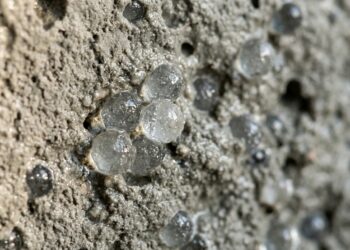
A study reveals how ambient curing temperatures dictate early hydration kinetics and microstructure stability in superabsorbent polymer-modified cement paste.