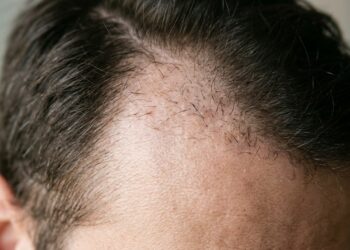
Long-Term Ritlecitinib Shows Stable Five-Year Safety Profile in Alopecia Areata
An updated integrated analysis of four ALLEGRO clinical trials demonstrates that ritlecitinib maintains a consistent and tolerable safety profile for ...
An updated integrated analysis of four ALLEGRO clinical trials demonstrates that ritlecitinib maintains a consistent and tolerable safety profile for ...

A systematic review of twelve clinical trials demonstrates that oral Janus kinase inhibitors significantly outperform placebo in reversing moderate-to-severe alopecia ...
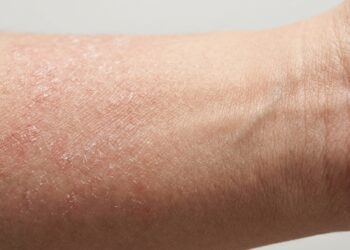
A comprehensive narrative review reveals that selective allosteric TYK2 inhibitors provide targeted oral efficacy driven by specific cytokine pathways, with ...

A comprehensive review establishes a chronological multi-hit model to explain how cumulative genetic and environmental insults breach tolerance checkpoints in ...

A plant-derived compound called acetylshikonin reduced cytokine-induced damage and disrupted inflammatory communication between human outer root sheath cells and macrophages ...

A comprehensive review of pediatric alopecia areata reveals that co-occurring atopic features and laboratory markers do not currently define a ...

A case report details hair regrowth and reduced disease severity in a frontal fibrosing alopecia patient treated with oral upadacitinib.

A Frontiers in Endocrinology editorial review highlights how autoimmune thyroid disorders frequently accompany broader systemic and metabolic conditions through complex ...

A comprehensive narrative review reveals that clinical safety profiles and therapeutic outcomes of Janus kinase inhibitors vary substantially across specific ...
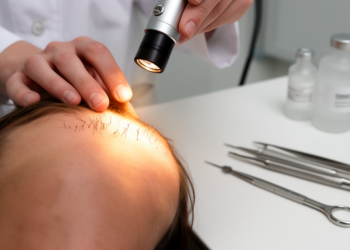
A retrospective Japanese study of moderate-to-severe alopecia areata found that ritlecitinib enabled delayed hair regrowth through forty-eight weeks, with week-24 ...

A post hoc analysis reveals that over forty percent of adolescent alopecia areata patients achieved significant scalp hair regrowth across ...
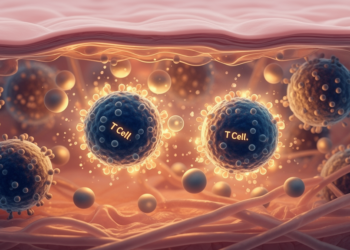
A new review highlights rezpegaldesleukin, a drug that expands regulatory T cells to treat immune-mediated skin diseases like atopic dermatitis, ...
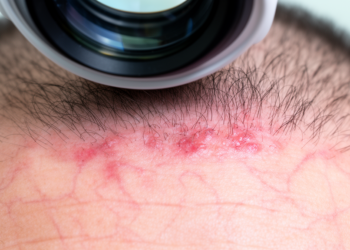
A 60-week observational study reveals that reflectance confocal microscopy detects persistent subclinical follicular inflammation in severe alopecia areata despite marked ...
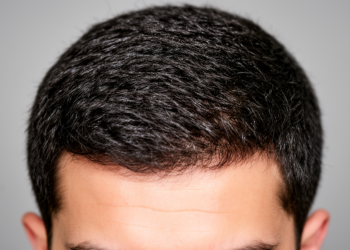
Final trial results show approximately 85 percent of responders with severe alopecia areata maintained substantial hair regrowth through four years ...
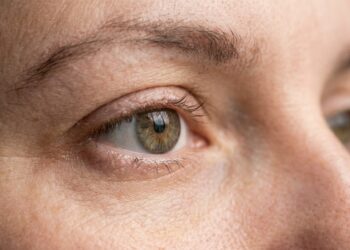
A meta-analysis of 11 studies found people with alopecia areata had over three times the risk of ocular abnormalities compared ...
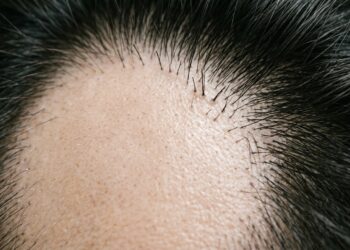
A comprehensive review synthesizes evidence that alopecia areata is an immune-mediated, genetically influenced hair follicle disorder in which collapsed immune ...

A new review links rapid relapse after stopping JAK inhibitors in inflammatory skin diseases to primed hyperphosphorylated enzymes, depleted SOCS ...
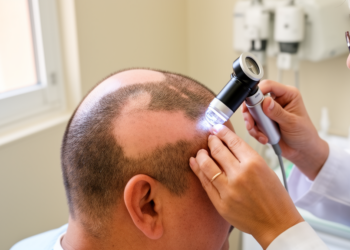
A cross-sectional survey of 319 adults with alopecia areata in Mexico found that traditional corticosteroid treatments dominated across all severity ...

A Romanian cost-of-illness study estimates that alopecia areata generated EUR 101.3 million to EUR 176.9 million in societal costs in ...

A Northwestern cross-sectional study used the PHQ-9 questionnaire to screen alopecia clinic patients for depressive symptoms, highlighting the growing push ...