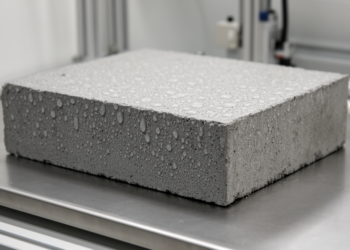
Washed Cement Bypass Dust Enhances Fly Ash Geopolymer Strength Under Humid Curing
Replacing five percent of fly ash with water-washed cement bypass dust boosts early geopolymer compressive strength under high-humidity curing.
Replacing five percent of fly ash with water-washed cement bypass dust boosts early geopolymer compressive strength under high-humidity curing.
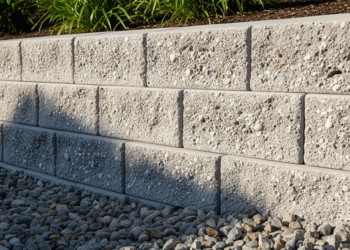
A six-year evaluation of pilot-scale lightweight concrete blocks installed in an operational building confirms the long-term material integrity of alternative ...
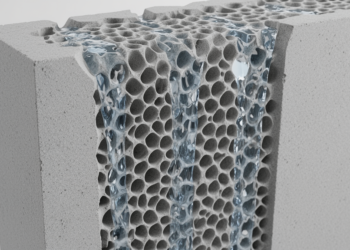
A critical engineering review demonstrates that deploying porous geopolymers for tertiary water treatment requires evaluating connected pore architecture, hydraulic backwash ...
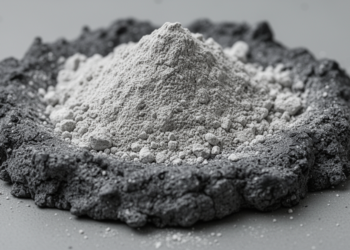
Researchers found that partially substituting slag with up to 10 percent recycled geopolymer powder refines pore networks and improves compressive ...
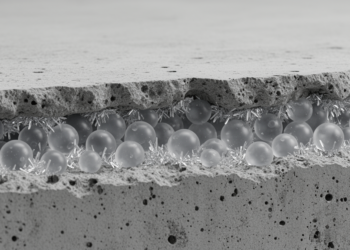
A systematic review analyzes how superabsorbent polymers regulate moisture, alter microstructure, and mitigate shrinkage in high-performance cementitious materials.
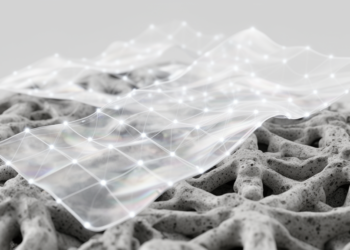
Researchers have combined thermodynamic modeling and trace graphene oxide additions to synthesize durable, high-strength alkali-activated binders from industrial fly ash, ...
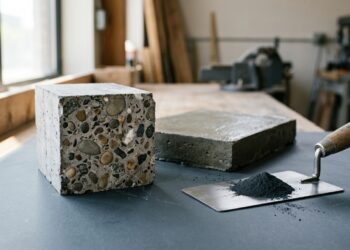
A comprehensive review reveals that silicomanganese fume can effectively replace conventional cement in concrete composites, achieving compressive strengths up to ...
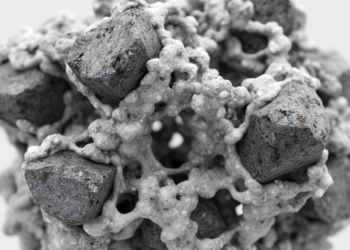
A cradle-to-gate life cycle assessment reveals that alkali-activated incinerator bottom ash reduces ecotoxicity and non-renewable energy demand while increasing global ...
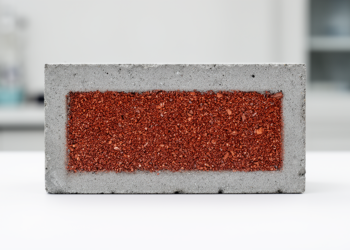
A systematic review indicates that replacing up to twenty percent of cement or thirty percent of fine aggregate with copper ...
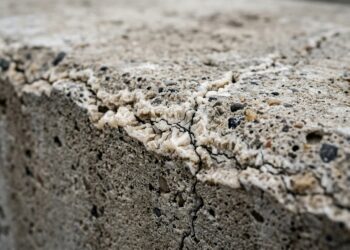
A critical review reveals that visible crack closure in alkali-activated slag materials does not necessarily equate to the recovery of ...
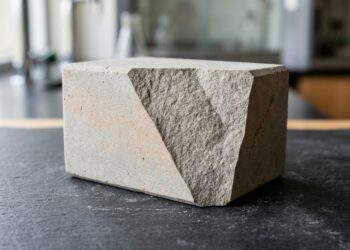
A study of calcium-modified alkali-activated metakaolin reveals that replacing up to 15 percent of metakaolin with calcium hydroxide significantly accelerates ...
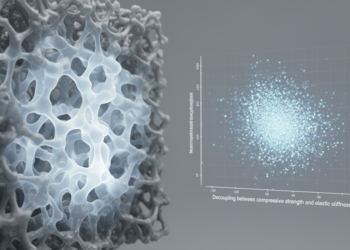
A quantitative synthesis of 229 experimental records reveals that compressive strength cannot reliably predict the mechanical properties of nanomaterial-modified geopolymer ...
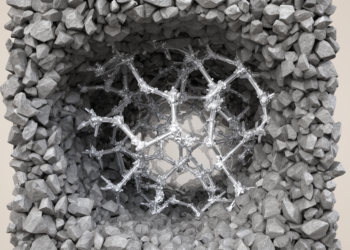
Researchers demonstrate that blending sodium carbonate and sodium hydroxide overcomes early reaction delays in slag paste backfill to reach 1.6 ...
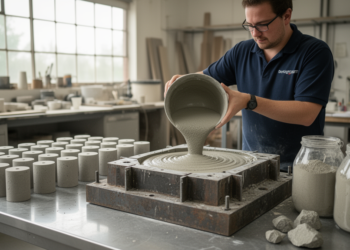
A technical review reveals that geopolymer concrete derived from activated aluminosilicate by-products can reduce carbon emissions by up to 80 ...
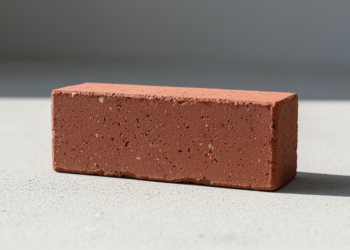
Researchers developed Class-I load-bearing bricks from 100% coal mine overburden waste sand, achieving high strength and significantly lower carbon emissions ...
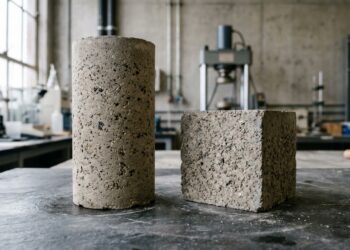
A study published in Discover Concrete and Cement found that a ternary binder mix of cement, fly ash, and silica ...
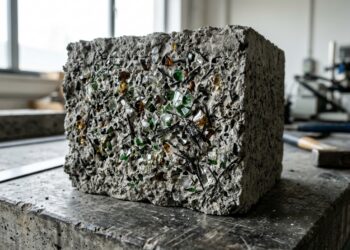
Engineers have demonstrated that combining nine percent waste glass powder with ten percent recycled tire fiber aggregates produces an ambient-cured ...
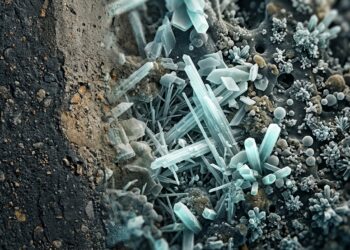
One-part alkali-activated mortars promise the convenience of ordinary dry-mix products: the solid activator is blended directly with the precursor, and ...
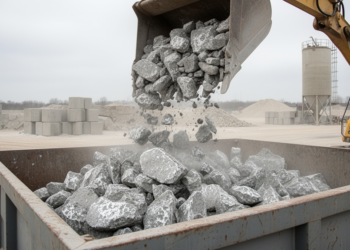
A new study shows that concrete slurry waste pressurized with supercritical CO2 can replace up to 25 percent of slag ...
Researchers show that an alkali-activated blend of fly ash and blast furnace slag can stabilize dredged waste soil for embankments, ...