
Elevated Progranulin Genetically Links to Lower Risk of Alzheimer’s Disease
Integrating human genomic and proteomic datasets reveals that genetically predicted elevations in progranulin levels causally associate with significantly reduced odds ...
Integrating human genomic and proteomic datasets reveals that genetically predicted elevations in progranulin levels causally associate with significantly reduced odds ...

Researchers developing a biologically anchored probabilistic principal component analysis model in amyloid-positive individuals found that biomarker-only dimensions independently predicted clinical ...

Researchers identified cerebrospinal fluid protein alterations that emerge prior to amyloid PET positivity and predict progression toward Alzheimer's disease.
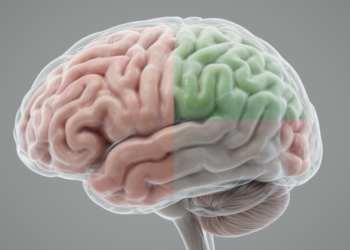
Researchers combining continuous disease staging with data-driven clustering identified four longitudinal brain atrophy patterns in Alzheimer’s disease, though findings reflect ...

Researchers quantified 2,492 cerebrospinal fluid proteins using tandem-mass-tag mass spectrometry to map stage-specific molecular changes across the Alzheimer's disease continuum.

Automated blood tests measuring phosphorylated tau 217 demonstrated diagnostic accuracy comparable to authorized cerebrospinal fluid tests for identifying Alzheimer’s disease ...
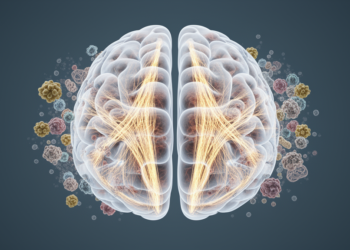
A neuroimaging study of mild cognitive impairment links functional lateralization anomalies and interhemispheric coordination deficits to specific cerebrospinal fluid amyloid ...

A comparative evaluation of 860 participants showed that lasso-logistic and stepwise models deliver high discrimination and stable calibration across Alzheimer's ...

A multi-cohort study of 11,382 MRI scans shows cortical thickness homogeneity declines in Alzheimer's disease but offers no significant diagnostic ...
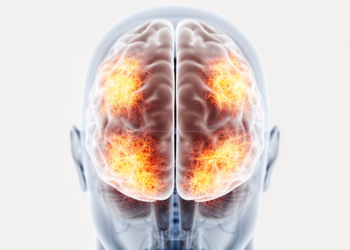
A multi-cohort study of 1,455 participants shows that white matter hyperintensities are associated with faster longitudinal tau accumulation and network-based ...

A comprehensive scientific review examines how artificial intelligence and machine learning models analyze multimodal datasets to predict Alzheimer's disease progression ...

A longitudinal study of 706 ADNI participants reveals that cerebrospinal fluid CSF1 and CSF1R mediate the pathway between amyloid-β and ...

A systematic review of 62 studies finds no single machine learning algorithm consistently best for early Alzheimer's detection, with very ...

An analysis of the Alzheimer’s Disease Neuroimaging Initiative found that frequent anxiety is strongly associated with lower global cognitive scores, ...

A study of 409 participants found that sleep-disordered breathing is associated with elevated cerebrospinal fluid markers of blood-brain barrier dysfunction ...
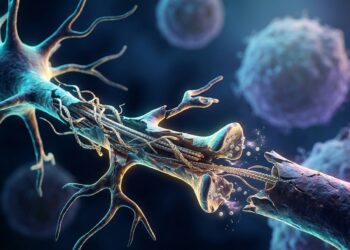
A two-cohort study finds that CSF synaptic biomarkers rise with tau pathology but stay near baseline when amyloid plaques appear ...
An explainable transformer model fusing MRI with texture descriptors reached over 99 percent accuracy in Alzheimer's disease staging benchmarks, with ...
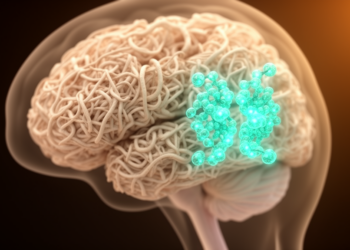
A cross-sectional ADNI study of 713 participants links neuropsychiatric symptoms to lower CSF amyloid-β42 and identifies heat shock protein pathways ...

A graph neural network trained on more than 14,000 brain scans maps local cortical aging at millimeter resolution and links ...

A federated learning framework combining MRI and clinical data classifies Alzheimer's disease with reported accuracy up to 94.1 percent while ...