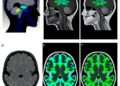
July signals a concentrated focus on bone and cancer research at Sylvester Comprehensive Cancer Center, where teams are pushing viral, model-driven science from the lab toward earlier interventions. In orthopaedic oncology, Brooke Crawford and colleagues are building an AI framework that learns from imaging of healthy bones to better anticipate fracture risk in sarcoma patients. Their goal is to translate radiologic patterns into decision tools that refine when and how patients receive treatment, while linking skeletal outcomes to tumor genetics and emerging biomarker signals.
At the same time, cancer prevention research is getting a literal upgrade in operational realism. Sylvester’s Firefighter Cancer Initiative partnered with Florida Forest Service cadets to complete wildland firefighter training, strengthening the “worker-centered” evidence pipeline. The effort aims to capture the full complexity of exposure pathways, physical demands, and real-world variability—factors that often blur epidemiology and limit the precision of prevention strategies.
For pancreatic cancer, attention is moving toward the inflammatory signaling machinery that tumors hijack to resist therapy. Researchers targeting IL1RAP, a receptor acting as a shared conduit for multiple inflammatory messages, report that disrupting this helper pathway can weaken the tumor-driven network that supports treatment resistance. JCI Insight findings are now paving the way for a neoadjuvant clinical trial pairing IL1RAP-targeted therapy with chemotherapy in operable patients before surgery.
Complementing this drug-target approach, a new tumor-on-a-chip platform offers a live view of how pancreatic cancer reorganizes its microenvironment. Developed through a Sylvester–Miller School of Medicine–College of Engineering collaboration, the Biofabrication study uses microengineered conditions to observe recruitment and behavior of immune cells over time, identifying vulnerabilities that could make existing treatments more effective.
Sex differences in glioblastoma biology are also coming into sharper focus. A Sylvester-led Nature Cancer study mapped a critical immune pathway that fuels tumor growth specifically in female models. The work shows that the neurotransmitter GABA enhances tumor-protective immune-cell activity in females, and that blocking this GABA-driven immune suppression improves outcomes—suggesting a route to more tailored therapies.
Clinically, hope is being tested through precision interventions as well. A patient with glioblastoma turned to Laser Interstitial Thermal Therapy, a minimally invasive technique that can ablate tumor tissue with high spatial control. The case underscores how surgical technology and patient-specific planning increasingly shape brain-cancer trajectories.
Finally, outreach efforts show how scientific momentum can extend beyond the bench. Dani’s Promise, founded by a teen inspired by her mother’s triple-negative breast cancer journey, supplies comfort items to patients undergoing chemotherapy at Sylvester, with plans to expand to additional locations.
In aggregate, these stories highlight a research ecosystem where AI prediction, exposure-informed prevention, inflammation-targeted therapeutics, immune-aware modeling, and sex-specific mechanisms converge—producing the kind of viral, mechanism-forward headlines that define next-wave cancer science.
Keywords: sarcoma, bone fractures, AI imaging, wildland firefighting, pancreatic cancer, IL1RAP, tumor-on-a-chip, glioblastoma, GABA, cancer immunology
Tags: AI in orthopedic oncologybone fracture risk predictioncancer prevention strategiescancer researchcancer treatment resistance mechanismsfirefighter exposure and cancer riskIL1RAP targeted therapypancreatic cancer inflammatory pathwayssarcoma imaging analysistranslational cancer researchtumor genetics and biomarkerswildland firefighter health research