• HOME
  • NEWS
  • EXPLORE
    • CAREER
      • Companies
      • Jobs
    • EVENTS
    • iGEM
      • News
      • Team
    • PHOTOS
    • VIDEO
    • WIKI
  • BLOG
  • COMMUNITY
    • FACEBOOK
    • INSTAGRAM
    • TWITTER
Thursday, July 9, 2026
BIOENGINEER.ORG
No Result
View All Result
  • Login
  • HOME
  • NEWS
  • EXPLORE
    • CAREER
      • Companies
      • Jobs
        • Lecturer
        • PhD Studentship
        • Postdoc
        • Research Assistant
    • EVENTS
    • iGEM
      • News
      • Team
    • PHOTOS
    • VIDEO
    • WIKI
  • BLOG
  • COMMUNITY
    • FACEBOOK
    • INSTAGRAM
    • TWITTER
  • HOME
  • NEWS
  • EXPLORE
    • CAREER
      • Companies
      • Jobs
        • Lecturer
        • PhD Studentship
        • Postdoc
        • Research Assistant
    • EVENTS
    • iGEM
      • News
      • Team
    • PHOTOS
    • VIDEO
    • WIKI
  • BLOG
  • COMMUNITY
    • FACEBOOK
    • INSTAGRAM
    • TWITTER
No Result
View All Result
Bioengineer.org
No Result
View All Result
Home NEWS Science News Health

Surgical risk persists for patients who’ve had COVID

Bioengineer by Bioengineer
December 14, 2022
in Health
Reading Time: 2 mins read
0
Dr. Robert Freundlich
Share on FacebookShare on TwitterShare on LinkedinShare on RedditShare on Telegram

When patients undergo any type of surgery after having had COVID, their odds of significant postoperative problems diminish with elapsed time from COVID diagnosis.
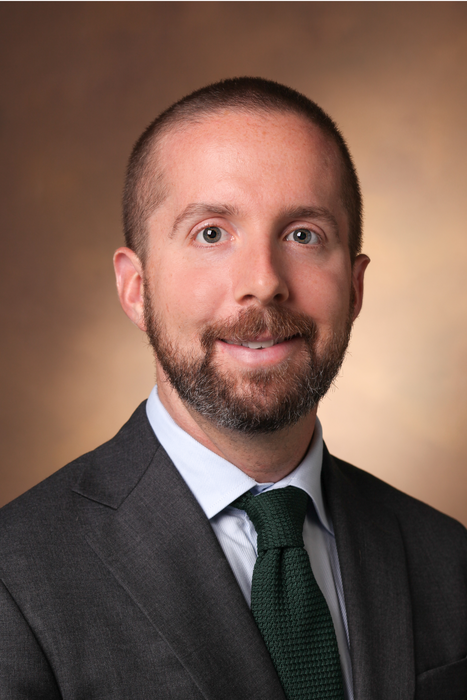
Dr. Robert Freundlich

Credit: Vanderbilt University Medical Center

When patients undergo any type of surgery after having had COVID, their odds of significant postoperative problems diminish with elapsed time from COVID diagnosis.

Researchers at Vanderbilt University Medical Center now report that this trend of decreasing risk persists longer than previously known, for as long as 13 months after surgery. Their report appeared Dec. 14 in JAMA Network Open.

The researchers used electronic health record data from 3,997 adult surgical patients with a history of SARS-CoV-2 infection who underwent surgery at VUMC from March 2020 to December 2021. Time from COVID diagnosis to surgery was a median of 98 days.

The team analyzed composite odds of various cardiovascular problems within 30 days following surgery: deep venous thrombosis, pulmonary embolism, cerebrovascular accident, myocardial injury, acute kidney injury, and death.

The incidence of this 30-day composite outcome dropped steeply at first, from approximately 18% to 10% over the first 100 days after COVID diagnosis. It then proceeded to dwindle steadily for the next 10 months, reaching approximately 8% after 400 days from COVID diagnosis. The rate of decreasing risk was unaffected by patients’ COVID-19 vaccination status.

“Compared to previous population studies of this issue, ours is distinguished for tracking surgical outcomes more broadly and using a longer time horizon from COVID diagnosis,” said Robert Freundlich, MD, MSCI, associate professor of Anesthesiology and Biomedical Informatics, who led the study with critical care medicine fellow John Bryant, MD.

“As we were midway in our study, based on postoperative pulmonary outcomes one medical society issued a recommendation to delay surgery after COVID-19 by up to 12 weeks in more severe cases of COVID,” Freundlich said. “Meanwhile, with respect to this range of cardiovascular problems, in our data we were surprised to find a trend of subsiding risk still discernable more than a year after COVID diagnosis.

“In a given patient’s case, many considerations can influence when surgery should best occur, and our results provide further indication that doctors and patients would do well to include proximity to COVID in their thinking.”

Others on the study include Christina Boncyk, MD, MPH, Kimberly Rengel, MD, Vivian Doan, MD, Connor Snarskis, MD, Matthew McEvoy, MD, Karen McCarthy, EdD, Gen Li, MS, and Warren Sandberg, MD, PhD. The study was supported by the National Institutes of Health (HL148640).


Journal

JAMA Network Open

Article Publication Date

14-Dec-2022
Share12Tweet8Share2ShareShareShare2

Related Posts

Kidney Disease Rates Stable, Increasing Among Diabetes and Heart Patients in US

July 8, 2026

Linoleic Acid Promotes Osteoarthritis via Ferroptosis in Male Rat Cartilage

July 8, 2026

Justice-Involved Individuals Use Emergency Departments Significantly More Often

July 8, 2026

FOXM1 Inhibition Enhances Maturation of Human iPSC-Derived Liver Cells

July 8, 2026

POPULAR NEWS

  • Detection of EDCs in Breast Milk and Infant Urine Up to Six Months Highlights Early Exposure Risks

    77 shares
    Share 31 Tweet 19
  • New Drug Candidate Developed at McMaster Shows Potential for Treating Brain Cancer

    58 shares
    Share 23 Tweet 15
  • KTU Researchers Explore Ultrasound’s Role in Enhancing Blood Flow Beyond Diagnostics

    53 shares
    Share 21 Tweet 13
  • 高齢者の骨粗鬆症治療の持続性比較

    51 shares
    Share 20 Tweet 13

About

We bring you the latest biotechnology news from best research centers and universities around the world. Check our website.

Follow us

Recent News

ORNL Wins Five DOE Transportation Technologies Office Awards

New Treatment Targets Weight Issues Following Brain Tumors

New Approach Advances Eco-Friendly Negative Thermal Expansion Materials

Subscribe to Blog via Email

Enter your email address to subscribe to this blog and receive notifications of new posts by email.

Join 83 other subscribers
  • Contact Us

Bioengineer.org © Copyright 2023 All Rights Reserved.

Welcome Back!

Login to your account below

Forgotten Password?

Retrieve your password

Please enter your username or email address to reset your password.

Log In
No Result
View All Result
  • Homepages
    • Home Page 1
    • Home Page 2
  • News
  • National
  • Business
  • Health
  • Lifestyle
  • Science

Bioengineer.org © Copyright 2023 All Rights Reserved.