• HOME
  • NEWS
  • EXPLORE
    • CAREER
      • Companies
      • Jobs
    • EVENTS
    • iGEM
      • News
      • Team
    • PHOTOS
    • VIDEO
    • WIKI
  • BLOG
  • COMMUNITY
    • FACEBOOK
    • INSTAGRAM
    • TWITTER
Saturday, February 7, 2026
BIOENGINEER.ORG
No Result
View All Result
  • Login
  • HOME
  • NEWS
  • EXPLORE
    • CAREER
      • Companies
      • Jobs
        • Lecturer
        • PhD Studentship
        • Postdoc
        • Research Assistant
    • EVENTS
    • iGEM
      • News
      • Team
    • PHOTOS
    • VIDEO
    • WIKI
  • BLOG
  • COMMUNITY
    • FACEBOOK
    • INSTAGRAM
    • TWITTER
  • HOME
  • NEWS
  • EXPLORE
    • CAREER
      • Companies
      • Jobs
        • Lecturer
        • PhD Studentship
        • Postdoc
        • Research Assistant
    • EVENTS
    • iGEM
      • News
      • Team
    • PHOTOS
    • VIDEO
    • WIKI
  • BLOG
  • COMMUNITY
    • FACEBOOK
    • INSTAGRAM
    • TWITTER
No Result
View All Result
Bioengineer.org
No Result
View All Result
Home NEWS Science News Health

Study to research impact of COVID-19 on people who use drugs

Bioengineer by Bioengineer
May 8, 2020
in Health
Reading Time: 2 mins read
0
IMAGE
Share on FacebookShare on TwitterShare on LinkedinShare on RedditShare on Telegram

IMAGE

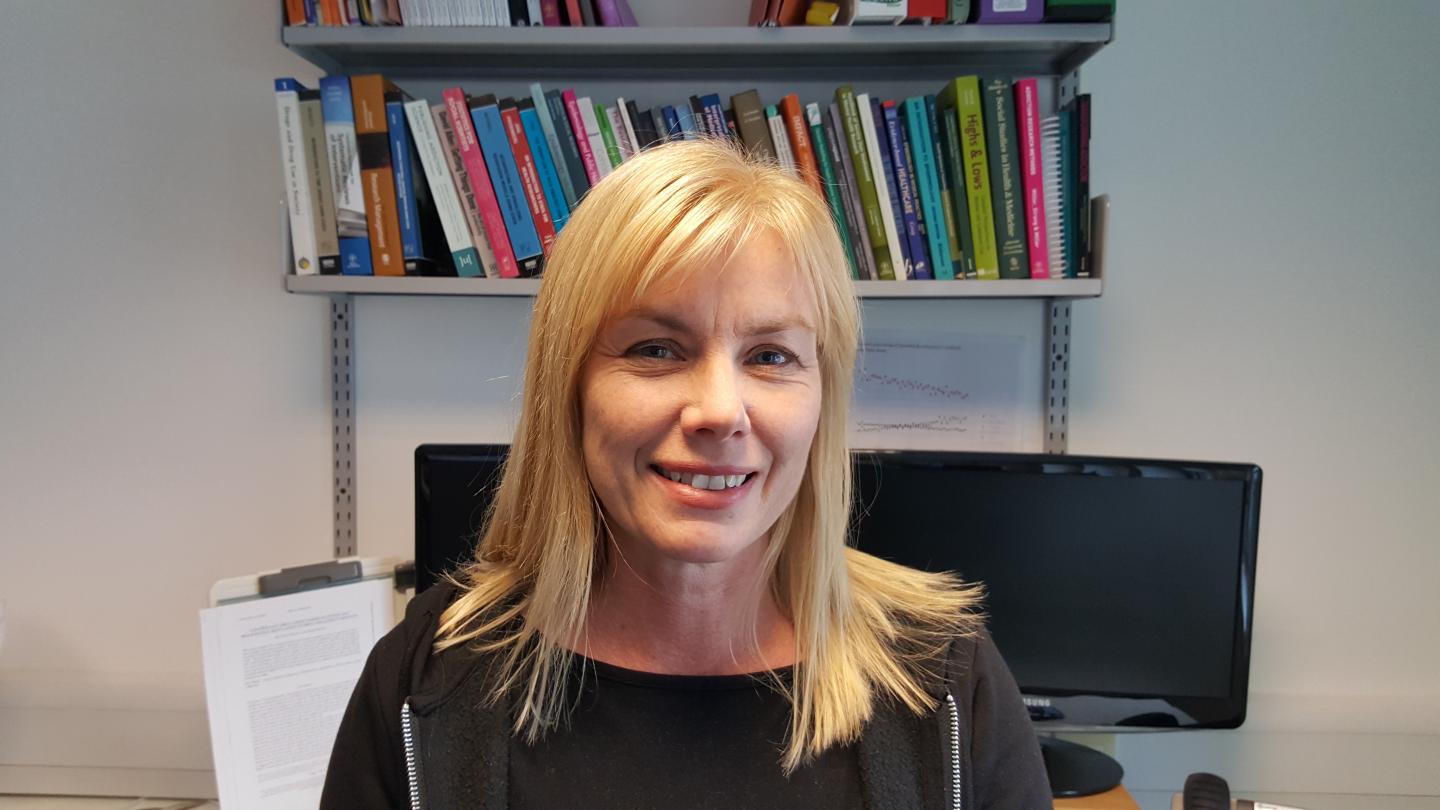
Credit: University of Stirling

Understanding the health impacts of the COVID-19 pandemic on people who use drugs in Scotland is the focus of a new University of Stirling study.

The project – funded under the Scottish Government’s Rapid Research in COVID-19 programme – will assess the longer-term health impacts of the social response to the pandemic on people who use drugs (PWUD).

The research will consider whether a reduction in the availability of illicit drugs has changed purchasing habits – resulting in an increased risk for some – and look at how others may have reduced or ceased drug use to avoid social contact.

Led by Professor Catriona Matheson, of the Faculty of Social Sciences, the research team will look at the impact of the virus on three distinct elements of drug use and services in Scotland: distribution and social use patterns of illicit drugs; the availability of harm reduction services; and the provision of addiction treatment services and the impact on people in recovery.

The study will also consider whether changes to drug service provision, introduced due to COVID-19, exposes PWUD to harm through a heightened risk of overdose or relapse.

Professor Matheson, Chair of the Scottish Drug Deaths Taskforce, said: “Feedback received by the Drug Deaths Taskforce suggests a number of issues are beginning to emerge for people who use drugs – because of the virus and the measures being used to combat it. This is the only research of its type and its findings will be provided to policymakers, service providers, and organisations representing people who use drugs to help shape their responses to these challenges.

“Being able to understand how people’s drug purchasing and using behaviours are affected by social distancing will be vitally important to informing pragmatic risk reduction messages for this group.”

Professor Matheson’s team will work with voluntary sector organisations in Edinburgh, Glasgow, and Lanarkshire to conduct qualitative research interviews, via telephone or online, with PWUD.

The research team – featuring a number of experienced drugs researchers – includes: Dr Tessa Parkes, Josh Dumbrell and Joe Schofield, all from the University of Stirling, and Dr Angus Bancroft, of the University of Edinburgh.

A second study, led by Dr Parkes, will look at how a Managed Alcohol Programme could help reduce the risk of COVID-19 infection for people experiencing alcohol dependency and homelessness.

The University of Stirling is leading 10 major projects investigating the impact of COVID-19 pandemic after receiving almost £500,000 in Scottish Government funding.

###

Media Contact
Greg Christison
[email protected]
Tags: AddictionBehaviorDrugsMedicine/HealthMental HealthSocial/Behavioral Science
Share12Tweet8Share2ShareShareShare2

Related Posts

Succinate Receptor 1 Limits Blood Cell Formation, Leukemia

February 7, 2026

Palmitoylation of Tfr1 Drives Platelet Ferroptosis and Exacerbates Liver Damage in Heat Stroke

February 7, 2026

Oxygen-Enhanced Dual-Section Microneedle Patch Improves Drug Delivery and Boosts Photodynamic and Anti-Inflammatory Treatment for Psoriasis

February 7, 2026

Scientists Identify SARS-CoV-2 PLpro and RIPK1 Inhibitors Showing Potent Synergistic Antiviral Effects in Mouse COVID-19 Model

February 7, 2026
Please login to join discussion

POPULAR NEWS

  • Robotic Ureteral Reconstruction: A Novel Approach

    Robotic Ureteral Reconstruction: A Novel Approach

    82 shares
    Share 33 Tweet 21
  • Digital Privacy: Health Data Control in Incarceration

    63 shares
    Share 25 Tweet 16
  • Study Reveals Lipid Accumulation in ME/CFS Cells

    57 shares
    Share 23 Tweet 14
  • Breakthrough in RNA Research Accelerates Medical Innovations Timeline

    53 shares
    Share 21 Tweet 13

About

We bring you the latest biotechnology news from best research centers and universities around the world. Check our website.

Follow us

Recent News

Succinate Receptor 1 Limits Blood Cell Formation, Leukemia

Palmitoylation of Tfr1 Drives Platelet Ferroptosis and Exacerbates Liver Damage in Heat Stroke

Oxygen-Enhanced Dual-Section Microneedle Patch Improves Drug Delivery and Boosts Photodynamic and Anti-Inflammatory Treatment for Psoriasis

Subscribe to Blog via Email

Enter your email address to subscribe to this blog and receive notifications of new posts by email.

Join 73 other subscribers
  • Contact Us

Bioengineer.org © Copyright 2023 All Rights Reserved.

Welcome Back!

Login to your account below

Forgotten Password?

Retrieve your password

Please enter your username or email address to reset your password.

Log In
No Result
View All Result
  • Homepages
    • Home Page 1
    • Home Page 2
  • News
  • National
  • Business
  • Health
  • Lifestyle
  • Science

Bioengineer.org © Copyright 2023 All Rights Reserved.