• HOME
  • NEWS
  • EXPLORE
    • CAREER
      • Companies
      • Jobs
    • EVENTS
    • iGEM
      • News
      • Team
    • PHOTOS
    • VIDEO
    • WIKI
  • BLOG
  • COMMUNITY
    • FACEBOOK
    • INSTAGRAM
    • TWITTER
Saturday, May 16, 2026
BIOENGINEER.ORG
No Result
View All Result
  • Login
  • HOME
  • NEWS
  • EXPLORE
    • CAREER
      • Companies
      • Jobs
        • Lecturer
        • PhD Studentship
        • Postdoc
        • Research Assistant
    • EVENTS
    • iGEM
      • News
      • Team
    • PHOTOS
    • VIDEO
    • WIKI
  • BLOG
  • COMMUNITY
    • FACEBOOK
    • INSTAGRAM
    • TWITTER
  • HOME
  • NEWS
  • EXPLORE
    • CAREER
      • Companies
      • Jobs
        • Lecturer
        • PhD Studentship
        • Postdoc
        • Research Assistant
    • EVENTS
    • iGEM
      • News
      • Team
    • PHOTOS
    • VIDEO
    • WIKI
  • BLOG
  • COMMUNITY
    • FACEBOOK
    • INSTAGRAM
    • TWITTER
No Result
View All Result
Bioengineer.org
No Result
View All Result
Home NEWS Science News

Study suggests metals from Bolivian mines affect crops and pose potential health risk

Bioengineer by Bioengineer
May 24, 2017
in Science News
Reading Time: 2 mins read
0
Share on FacebookShare on TwitterShare on LinkedinShare on RedditShare on Telegram
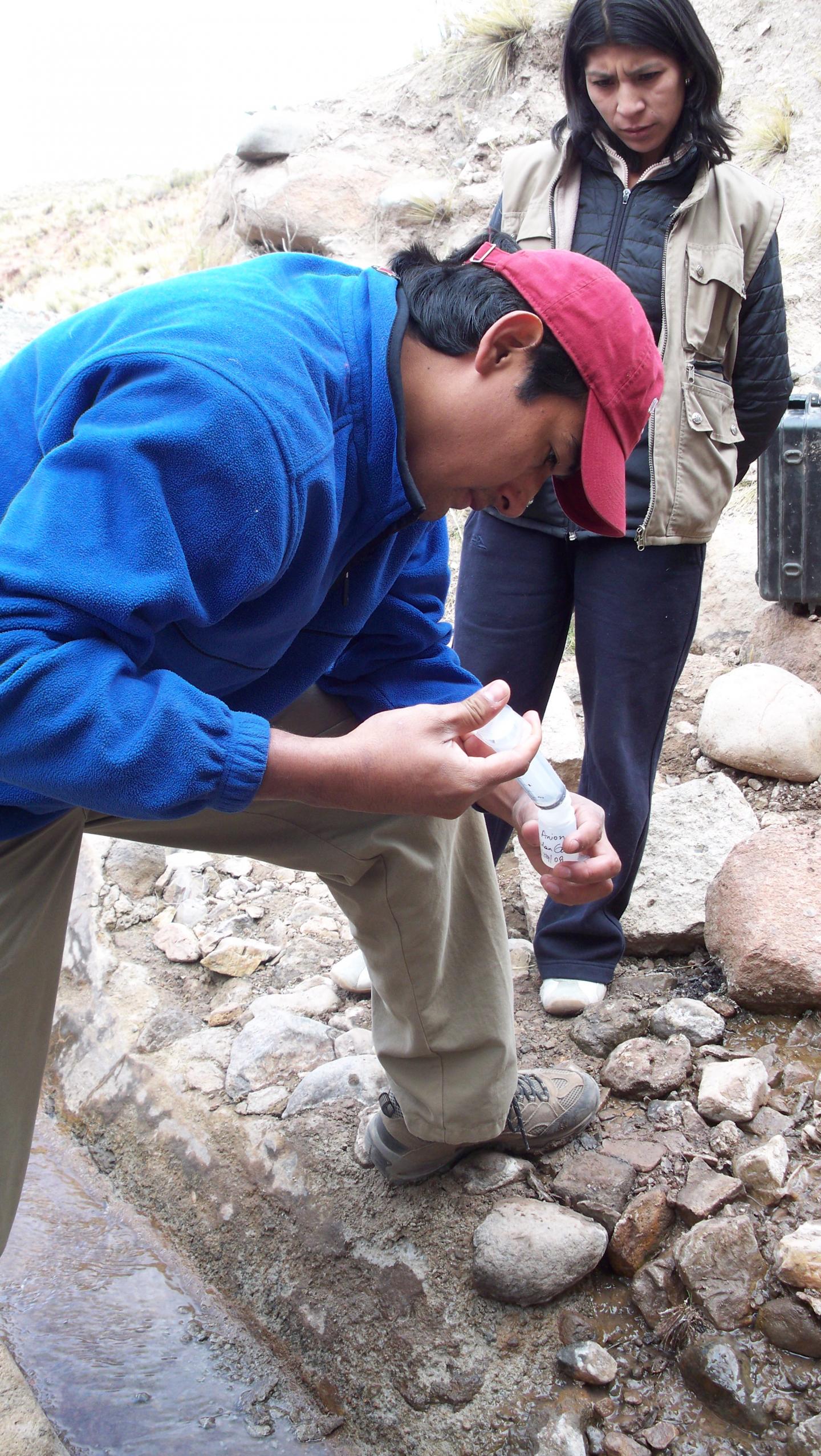
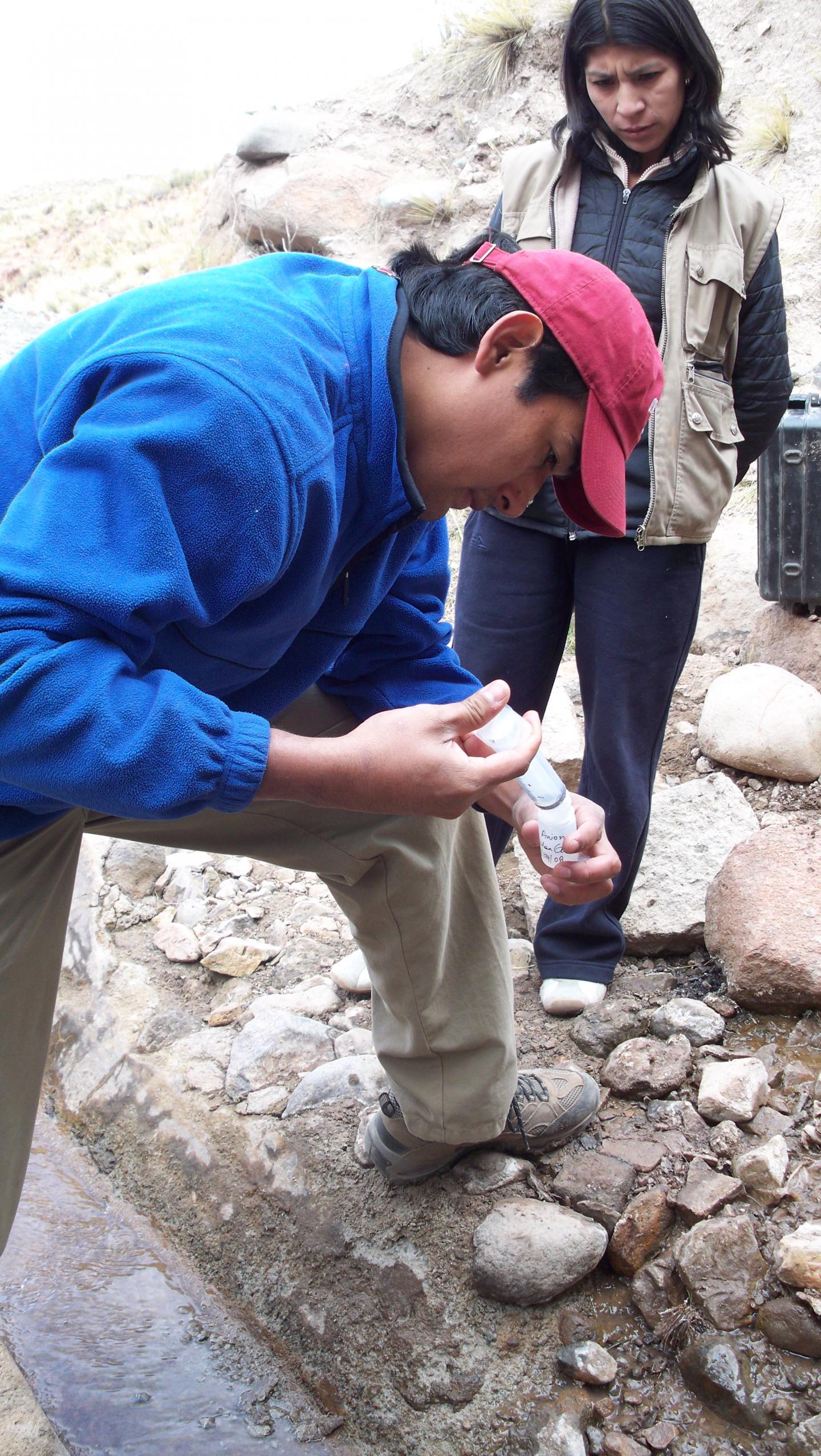
IMAGE

Credit: University of Oklahoma

A University of Oklahoma Civil Engineering and Environmental Science Professor Robert Nairn and his co-authors have conducted a collaborative study that suggests exposure to trace metals from potatoes grown in soil irrigated with waters from the Potosi mining region in Bolivia, home to the world's largest silver deposit, may put residents at risk of non-cancer health illnesses.

"In this high mountain desert, water is a critically precious resource and the use of metal-polluted waters for irrigation may have substantial detrimental impacts on the lives of subsistence farmers," said Bill Strosnider, researcher on the project.

Potatoes are the primary dietary staple in the surrounding communities. The lack of water for quality irrigation throughout this arid region results in farmers using contaminated waters, leading to health risks from contaminated potatoes eaten locally or shipped to outlying areas. For children, ingestion of arsenic through potatoes was 9.1 to 71.8 times higher than the minimum risk level and ingestion of cadmium was 3.0 to 31.5 times higher than the minimum risk level.

"The fact that the hazard quotients of risk were so high through only one exposure route is concerning," said Robin Taylor Wilson, Penn State College of Medicine professor and lead epidemiologist for the study. "Children in this region are exposed to contaminants through routes other than potatoes. If we consider these additional routes of exposure, the estimated risks will likely be much higher, but without further research, there is no way of knowing how much higher these risks might be."

The hazard quotient is the ratio of estimated specific exposure to a single chemical over a specified period to the estimated daily exposure level at which no adverse health effects are likely to occur. Hazard quotients about one suggest the possibility of adverse non-cancer health risks. The minimum risk levels are established by the U.S. Agency for Toxic Substances and Disease Registry.

"Our findings allow the research community insight into the potential human and environmental impact that vast active and abandoned mining operations may pose all across the Andean region," said Alan Garrido, researcher on the project.

###

This study was funded through a collaboration with Engineers in Action, a non-profit entity dedicated to improving the availability of low-cost high-impact engineering projects for clean water in developing countries. Engineers in Action is located in Tulsa, Oklahoma, and La Paz, Bolivia.

A paper on this research titled, "Metal-contaminated potato crops and potential human health risk in Bolivian mining highlands," has been published in the scientific journal, Environmental Geochemistry and Health, at DOI: 10.1007/s10653-017-9943-4.

Media Contact

Jana Smith
[email protected]
405-325-1322
@ouresearch

http://www.ou.edu

############

Story Source: Materials provided by Scienmag

Share12Tweet8Share2ShareShareShare2

Related Posts

Mobile App Enhances Exercise for Older Adults’ Cognition

May 16, 2026
Botulinum Toxin Reduces Urinary Retention Post-Hemorrhoidopexy — Technology and Engineering

Botulinum Toxin Reduces Urinary Retention Post-Hemorrhoidopexy

May 16, 2026

Blood Metal Exposure Linked to Puberty Timing

May 16, 2026

rAAV8 HMR-001 Boosts Liver Gene Therapy in Hemophilia

May 16, 2026
Please login to join discussion

POPULAR NEWS

  • Research Indicates Potential Connection Between Prenatal Medication Exposure and Elevated Autism Risk

    843 shares
    Share 337 Tweet 211
  • New Study Reveals Plants Can Detect the Sound of Rain

    730 shares
    Share 291 Tweet 182
  • Salmonella Haem Blocks Macrophages, Boosts Infection

    62 shares
    Share 25 Tweet 16
  • Breastmilk Balances E. coli and Beneficial Bacteria in Infant Gut Microbiomes

    58 shares
    Share 23 Tweet 15

About

We bring you the latest biotechnology news from best research centers and universities around the world. Check our website.

Follow us

Recent News

Mobile App Enhances Exercise for Older Adults’ Cognition

Botulinum Toxin Reduces Urinary Retention Post-Hemorrhoidopexy

Blood Metal Exposure Linked to Puberty Timing

Subscribe to Blog via Email

Enter your email address to subscribe to this blog and receive notifications of new posts by email.

Join 82 other subscribers
  • Contact Us

Bioengineer.org © Copyright 2023 All Rights Reserved.

Welcome Back!

Login to your account below

Forgotten Password?

Retrieve your password

Please enter your username or email address to reset your password.

Log In
No Result
View All Result
  • Homepages
    • Home Page 1
    • Home Page 2
  • News
  • National
  • Business
  • Health
  • Lifestyle
  • Science

Bioengineer.org © Copyright 2023 All Rights Reserved.