• HOME
  • NEWS
  • EXPLORE
    • CAREER
      • Companies
      • Jobs
    • EVENTS
    • iGEM
      • News
      • Team
    • PHOTOS
    • VIDEO
    • WIKI
  • BLOG
  • COMMUNITY
    • FACEBOOK
    • INSTAGRAM
    • TWITTER
Monday, August 24, 2026
BIOENGINEER.ORG
No Result
View All Result
  • Login
  • HOME
  • NEWS
  • EXPLORE
    • CAREER
      • Companies
      • Jobs
        • Lecturer
        • PhD Studentship
        • Postdoc
        • Research Assistant
    • EVENTS
    • iGEM
      • News
      • Team
    • PHOTOS
    • VIDEO
    • WIKI
  • BLOG
  • COMMUNITY
    • FACEBOOK
    • INSTAGRAM
    • TWITTER
  • HOME
  • NEWS
  • EXPLORE
    • CAREER
      • Companies
      • Jobs
        • Lecturer
        • PhD Studentship
        • Postdoc
        • Research Assistant
    • EVENTS
    • iGEM
      • News
      • Team
    • PHOTOS
    • VIDEO
    • WIKI
  • BLOG
  • COMMUNITY
    • FACEBOOK
    • INSTAGRAM
    • TWITTER
No Result
View All Result
Bioengineer.org
No Result
View All Result
Home NEWS Science News Health

Study shows young early-onset colorectal cancer patients have increased survival

Bioengineer by Bioengineer
April 12, 2021
in Health
Reading Time: 2 mins read
0
IMAGE
Share on FacebookShare on TwitterShare on LinkedinShare on RedditShare on Telegram

IMAGE

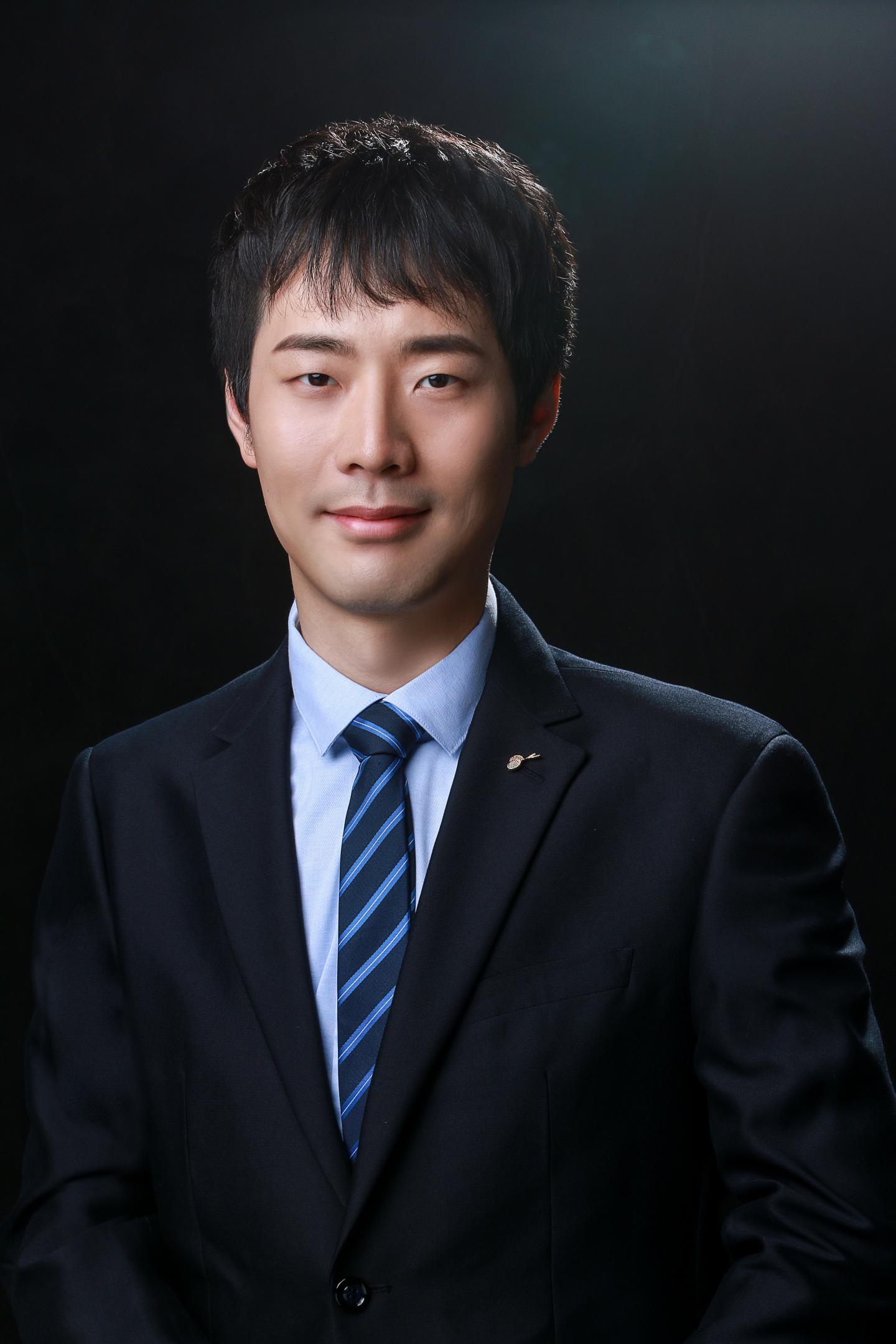
Credit: Yale Cancer Center

New research by Yale Cancer Center shows patients with early-onset colorectal cancer, age 50 and younger, have a better survival rate than patients diagnosed with the disease later in life. The study was presented virtually today at the American Association of Cancer Research (AACR) annual meeting.

“Although small, we were surprised by our findings,” said En Cheng, MD, MSPH, lead author of the study from Yale Cancer Center. “Past studies have shown younger colorectal patients, those under 50, were reported to experience worse survival compared with patients diagnosed at older ages. We hope this result can be inspiring for these younger cancer patients.”

Using the National Cancer Database between January 1, 2004 through December 31, 2015, overall survival of 769,871 colorectal cancer patients was assessed by the Kaplan-Meier method and Cox proportional hazards regression. The Yale investigators chose colorectal cancer patients diagnosed at ages 51-55 years as the comparison group. Early-onset colorectal patients were reported to have a modestly lower 10-year survival rate in unadjusted analysis. However, after adjusting for stage at diagnosis, early onset colorectal patients had better survival compared to subjects diagnosed at ages 51-55. The Yale researchers discovered younger patients had a 5% lower risk of death versus people diagnosed at ages 51-55, and the survival advantage appeared greatest for patients diagnosed at ages 35-39 and with cancer stages I-II. However, Cheng noted this survival advantage should be interpreted cautiously.

“More studies are needed to verify the survival advantage and to understand biological distinctiveness and heterogeneity within early-onset of colorectal cancer,” added Cheng. “It also reinforces the importance of early colorectal cancer detection in the younger population.”

###

Other Yale authors of the study include Melinda L. Irwin, PhD, MPH, Xiaomei Ma, PhD, Cary P. Gross, MD, Donna Spiegelman, ScD, Pamela L. Kunz, MD, Xavier Llor, MD, PhD, Kevin Billingsley, MD, MBA, Nita Ahuja, MD, MBA and senior author Charles S. Fuchs, MD.

About Yale Cancer Center and Smilow Cancer Hospital

Yale Cancer Center (YCC) is one of only 51 National Cancer Institute-designated comprehensive cancer centers in the nation and the only such center in Connecticut. Cancer treatment for patients is available at Smilow Cancer Hospital through 13 multidisciplinary teams and at 15 Smilow Cancer Hospital Care Centers in Connecticut and Rhode Island. Comprehensive cancer centers play a vital role in the advancement of the NCI’s goal of reducing morbidity and mortality from cancer through scientific research, cancer prevention, and innovative cancer treatment.

Media Contact
Anne Doerr
[email protected]

Original Source

https://www.yalecancercenter.org/news-article/31592/

Tags: cancerMedicine/Health
Share12Tweet8Share2ShareShareShare2

Related Posts

Study reveals surge in type 2 diabetes among people under 20

August 24, 2026

Blocking glucosylceramide production kills cancer cells via lysosomal dysfunction, not ceramide buildup

August 23, 2026

ZCCHC4 boosts replication-dependent histone mRNA translation by interacting with eIF3

August 23, 2026

Tirzepatide Versus GLP-1 Agonists for Stroke Risk in Atrial Fibrillation and Diabetes

August 22, 2026
Please login to join discussion

POPULAR NEWS

  • Study reveals surge in type 2 diabetes among people under 20

    29 shares
    Share 12 Tweet 7
  • KAIST discovers pathway to faster-charging, longer-lasting electric vehicle batteries

    29 shares
    Share 12 Tweet 7
  • Blocking glucosylceramide production kills cancer cells via lysosomal dysfunction, not ceramide buildup

    29 shares
    Share 12 Tweet 7
  • ZCCHC4 boosts replication-dependent histone mRNA translation by interacting with eIF3

    29 shares
    Share 12 Tweet 7

About

We bring you the latest biotechnology news from best research centers and universities around the world. Check our website.

Follow us

Recent News

Study reveals surge in type 2 diabetes among people under 20

KAIST discovers pathway to faster-charging, longer-lasting electric vehicle batteries

Blocking glucosylceramide production kills cancer cells via lysosomal dysfunction, not ceramide buildup

Subscribe to Blog via Email

Enter your email address to subscribe to this blog and receive notifications of new posts by email.

Join 85 other subscribers
  • Contact Us

Bioengineer.org © Copyright 2023 All Rights Reserved.

Welcome Back!

Login to your account below

Forgotten Password?

Retrieve your password

Please enter your username or email address to reset your password.

Log In
No Result
View All Result
  • Homepages
    • Home Page 1
    • Home Page 2
  • News
  • National
  • Business
  • Health
  • Lifestyle
  • Science

Bioengineer.org © Copyright 2023 All Rights Reserved.