Scientists at the University of Liverpool have identified a molecular docking mechanism that anchors a vital protein within nerve cells, uncovering new structural insights into a severe genetic cause of childhood epilepsy. The peer-reviewed investigation, conducted in collaboration with researchers at the University of Helsinki and published in Science Advances under the title ‘Cyclin-dependent kinase-like 5 (CDKL5) binds talin and is anchored at the postsynaptic density by direct PDZ interactions’, describes how cyclin-dependent kinase-like 5 is spatially organized at neuronal synapses.
The study centers on CDKL5 deficiency disorder, a rare neurological condition characterized by severe early-infantile epilepsy and substantial developmental impairments. Arising from mutations in the CDKL5 gene, which encodes a protein essential for normal brain maturation and cognitive function, the disorder is estimated to occur in approximately one in every 40,000 to 60,000 live births globally. While the gene itself has been recognized for years, the precise biological processes governing the protein’s behavior inside neurons and the exact reasons genetic disruptions lead to profound neuropathology have remained unresolved.
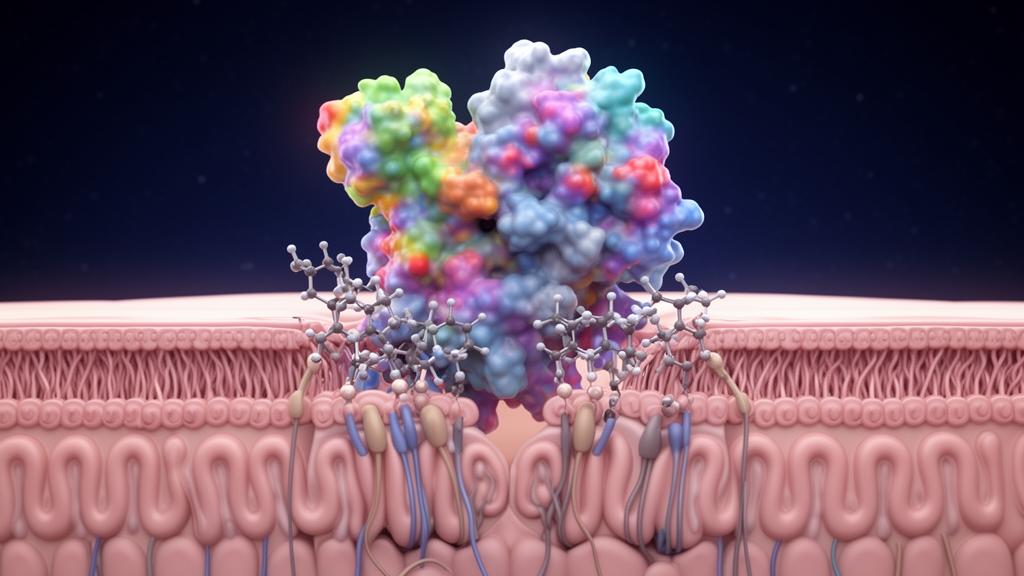
Led by Ben Goult, Professor of Mechanistic Cell Biology at the University of Liverpool’s Institute of Systems, Molecular and Integrative Biology, the research team established a structural framework illustrating how CDKL5 operates within the synaptic architecture. The primary breakthrough is the characterization of a molecular docking process that fastens CDKL5 directly to the postsynaptic framework. The research establishes that the physical position of CDKL5 within the cellular environment is as functionally consequential as its biochemical activity, demonstrating that disrupting this anchoring mechanism alters the structural organization of nerve cells.
Laboratory experiments pinpointed the extreme sensitivity of this localization mechanism at the molecular level. First author Dr. Yasumi Otani, a former doctoral researcher at the institute, observed that modifying merely a single amino acid located at the terminal end of the CDKL5 protein was sufficient to drastically disturb its distribution inside cultured nerve cells. This finding demonstrates that the final residues of the sequence serve as an indispensable targeting signal that ensures the kinase remains situated precisely at the synaptic junction.
Beyond synaptic anchoring, the researchers mapped a direct physical link between CDKL5 and cellular mechanosensory components. The team discovered that CDKL5 binds directly to talin, a structural protein known to undergo conformational shape shifts when exposed to mechanical forces within the cell. Through experimental manipulations in cultured cell models, the scientists found that either blocking the direct talin-CDKL5 interaction or diminishing the mechanical tension generated by the cell altered the protein’s positioning, revealing a previously uncharacterized pathway through which mechanical forces regulate the local distribution of CDKL5 activity.
These experimental observations provide a new conceptual model for understanding how disease-associated mutations induce neurological dysfunction. Multiple known clinical mutations associated with CDKL5 deficiency disorder truncate the protein, eliminating the newly identified terminal docking domain. Consequently, the authors conclude that several pathogenic variants may cause disease not only by disabling the enzyme’s catalytic properties, but also by preventing the molecule from docking at its correct subcellular destination within the synapse.
Addressing the broader implications of the findings, Professor Goult emphasized that historical investigations into CDKL5 deficiency disorder have primarily analyzed the catalytic activity of the enzyme. By uncovering the specific molecular interactions that guide the protein into place, researchers can now analyze how CDKL5 is organized within synapses and evaluate how disruptions to this spatial arrangement impede communication across neuronal networks.
Patient advocacy representatives have similarly highlighted the importance of establishing the protein’s spatial biology. Andreas Borg, founder of the parent-led research foundation CURE5, noted that understanding how CDKL5 loss disrupts coordinated systems across the body helps identify novel avenues for therapeutic development. Defining the specific mechanisms governing protein positioning and synaptic architecture provides a fresh biological basis for future exploratory intervention strategies.
Subject of Research: Molecular positioning and synaptic anchoring mechanism of CDKL5 in nerve cells
Article Title: Cell biologists uncover key mechanism behind a rare cause of childhood epilepsy
Article References: Cell biologists uncover key mechanism behind a rare cause of childhood epilepsy. Original publication (Bibliographic details unavailable.)
Image Credits: AI Generated
DOI: Not provided
Keywords: CDKL5, CDKL5 deficiency disorder, childhood epilepsy, synaptic anchoring, nerve cells, postsynaptic density, talin, mechanobiology, cell biology, molecular docking, brain development, neurological disorders, Science Advances, University of Liverpool, University of Helsinki, CURE5, protein localization
News Source: Drew Townsend. (November 20, 2026). Study Reveals Molecular Docking Mechanism Anchoring CDKL5 Protein at Synapses. Scienmag.