• HOME
  • NEWS
  • EXPLORE
    • CAREER
      • Companies
      • Jobs
    • EVENTS
    • iGEM
      • News
      • Team
    • PHOTOS
    • VIDEO
    • WIKI
  • BLOG
  • COMMUNITY
    • FACEBOOK
    • INSTAGRAM
    • TWITTER
Monday, May 25, 2026
BIOENGINEER.ORG
No Result
View All Result
  • Login
  • HOME
  • NEWS
  • EXPLORE
    • CAREER
      • Companies
      • Jobs
        • Lecturer
        • PhD Studentship
        • Postdoc
        • Research Assistant
    • EVENTS
    • iGEM
      • News
      • Team
    • PHOTOS
    • VIDEO
    • WIKI
  • BLOG
  • COMMUNITY
    • FACEBOOK
    • INSTAGRAM
    • TWITTER
  • HOME
  • NEWS
  • EXPLORE
    • CAREER
      • Companies
      • Jobs
        • Lecturer
        • PhD Studentship
        • Postdoc
        • Research Assistant
    • EVENTS
    • iGEM
      • News
      • Team
    • PHOTOS
    • VIDEO
    • WIKI
  • BLOG
  • COMMUNITY
    • FACEBOOK
    • INSTAGRAM
    • TWITTER
No Result
View All Result
Bioengineer.org
No Result
View All Result
Home NEWS Science News Biology

Study finds new brain pathway for escaping predators

Bioengineer by Bioengineer
July 5, 2018
in Biology
Reading Time: 2 mins read
0
Share on FacebookShare on TwitterShare on LinkedinShare on RedditShare on Telegram
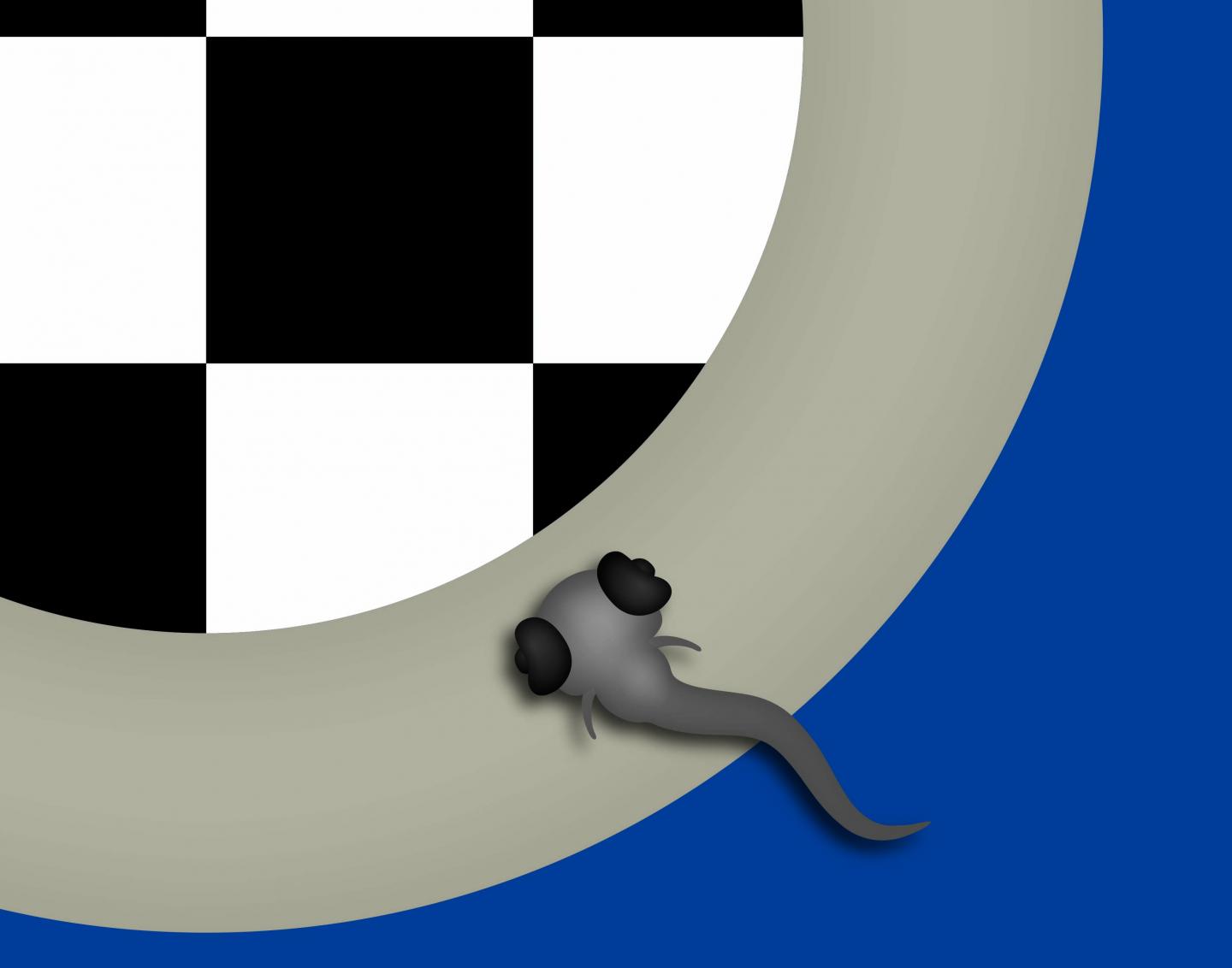
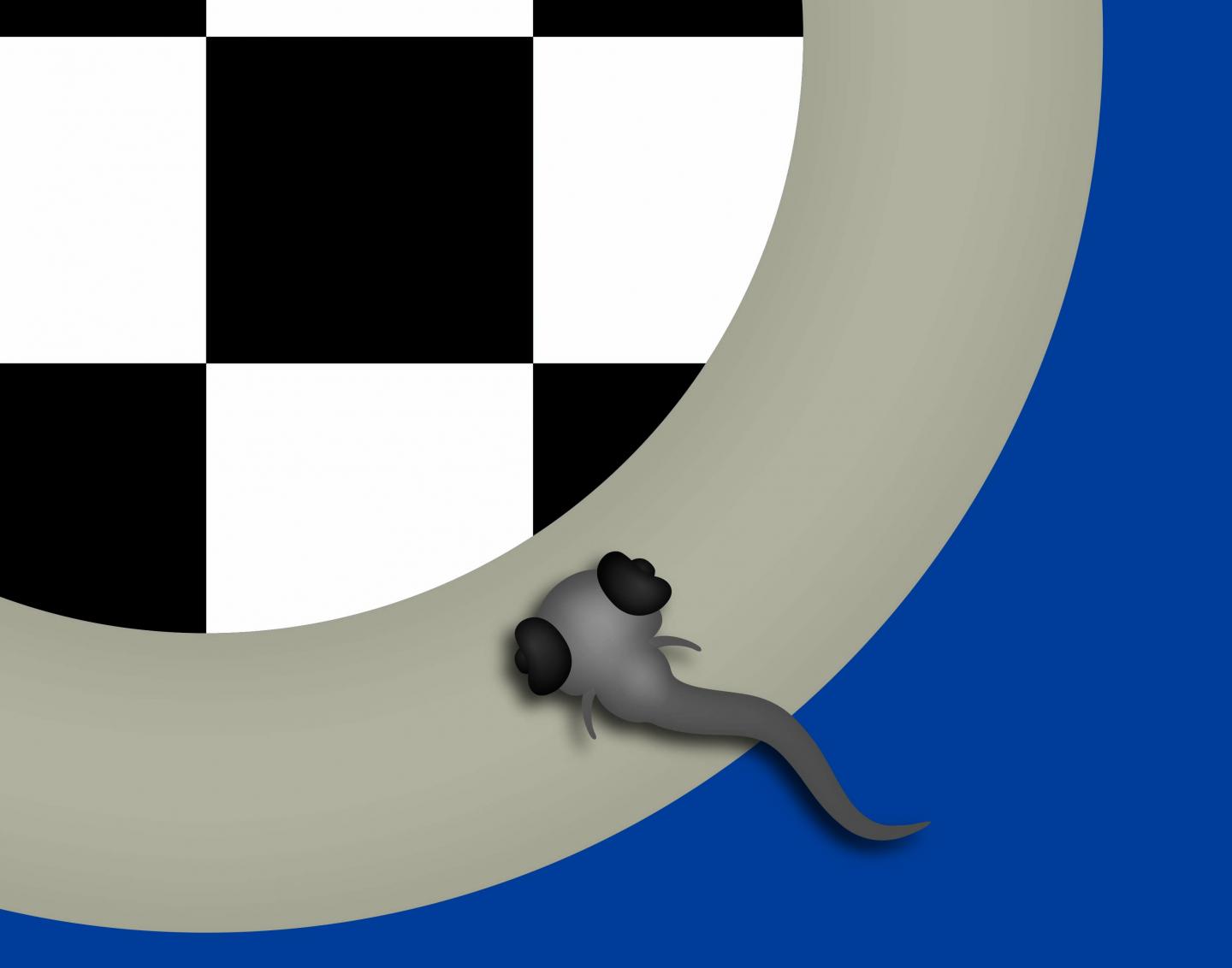
IMAGE

Credit: The University of Queensland

How the zebrafish brain perceives and reacts to predators has been determined by researchers at the University of Queensland.

School of Biomedical Sciences Associate Professor Ethan Scott said the processing of visual threats by the brain represented a really interesting puzzle in neuroscience.

"Animals ranging from insects to humans will try to escape physically in response to a visual threat," Dr Scott said.

"But we don't know how the brain recognises that the stimulus is threatening or decides to escape.

"Because zebrafish larvae are small and transparent, we examined activity across the entire brain using microscopes while visual threats were presented.

"This gave us a window into the brain's responses."

Queensland Brain Institute postdoctoral fellow Dr Lucy Heap completed the study while undertaking a PhD at the Faculty of Medicine.

She said the study involved showing zebrafish a large threatening shape moving towards them.

"We found that visual information received from the eyes was broken down into components, such as shapes and brightness," Dr Heap said.

"These components then needed to be processed separately by two different parts of the brain for the fish to respond appropriately.

"When a visual threat appeared, cells in a particular part of the brain, the thalamus, lit up.

"But if we interfered with activity in the thalamus, the fish failed to recognise the threat and did not swim away.

"These results help to complete our picture of how different sensory information travels through the brain, and how the brain represents the outside world.

"Because these functions are abnormal in patients with certain psychiatric disorders, including autism spectrum disorder and schizophrenia, this work sets the stage for deeper studies into the disorders' basic mechanisms."

The study is published in Neuron (DOI: 10.1016/j.neuron.2018.06.013).

###

Media: Dr Ethan Scott, [email protected], +61 7 334 69471; Faculty of Medicine Media, Claire Usmar, [email protected], +61 7 3365 5118.

Media Contact

Claire Usmar
[email protected]
61-733-655-118
@uq_news

http://www.uq.edu.au

Related Journal Article

http://dx.doi.org/10.1016/j.neuron.2018.06.013

Share12Tweet8Share2ShareShareShare2

Related Posts

How Wasp Societies Conquer Intense Leadership Conflicts — Biology

How Wasp Societies Conquer Intense Leadership Conflicts

May 25, 2026
Tiny Blue Octopus from the Galápagos Islands: Small Enough to Fit in the Palm of Your Hand — Biology

Tiny Blue Octopus from the Galápagos Islands: Small Enough to Fit in the Palm of Your Hand

May 25, 2026

Rising Sightings of Blue and Fin Whales in the South East Atlantic

May 23, 2026

New Maps Reveal How European Landscapes Can Simultaneously Promote Climate Action and Biodiversity Conservation

May 22, 2026
Please login to join discussion

POPULAR NEWS

  • ESMO 2025: mRNA COVID Vaccines Enhance Efficacy of Cancer Immunotherapy

    315 shares
    Share 126 Tweet 79
  • New Study Reveals Plants Can Detect the Sound of Rain

    734 shares
    Share 293 Tweet 183
  • Research Indicates Potential Connection Between Prenatal Medication Exposure and Elevated Autism Risk

    847 shares
    Share 339 Tweet 212
  • Common Food Preservatives Associated with Elevated Blood Pressure and Increased Heart Disease Risk

    56 shares
    Share 22 Tweet 14

About

We bring you the latest biotechnology news from best research centers and universities around the world. Check our website.

Follow us

Recent News

Biomarker Changes Post-Cancer Linked to Heart Risk

Neuronal M-current Unveiled by KCNQ2/3 Structure

Brainstem Population Dynamics Control REM Sleep

Subscribe to Blog via Email

Enter your email address to subscribe to this blog and receive notifications of new posts by email.

Join 82 other subscribers
  • Contact Us

Bioengineer.org © Copyright 2023 All Rights Reserved.

Welcome Back!

Login to your account below

Forgotten Password?

Retrieve your password

Please enter your username or email address to reset your password.

Log In
No Result
View All Result
  • Homepages
    • Home Page 1
    • Home Page 2
  • News
  • National
  • Business
  • Health
  • Lifestyle
  • Science

Bioengineer.org © Copyright 2023 All Rights Reserved.