• HOME
  • NEWS
  • EXPLORE
    • CAREER
      • Companies
      • Jobs
    • EVENTS
    • iGEM
      • News
      • Team
    • PHOTOS
    • VIDEO
    • WIKI
  • BLOG
  • COMMUNITY
    • FACEBOOK
    • INSTAGRAM
    • TWITTER
Tuesday, October 6, 2026
BIOENGINEER.ORG
No Result
View All Result
  • Login
  • HOME
  • NEWS
  • EXPLORE
    • CAREER
      • Companies
      • Jobs
        • Lecturer
        • PhD Studentship
        • Postdoc
        • Research Assistant
    • EVENTS
    • iGEM
      • News
      • Team
    • PHOTOS
    • VIDEO
    • WIKI
  • BLOG
  • COMMUNITY
    • FACEBOOK
    • INSTAGRAM
    • TWITTER
  • HOME
  • NEWS
  • EXPLORE
    • CAREER
      • Companies
      • Jobs
        • Lecturer
        • PhD Studentship
        • Postdoc
        • Research Assistant
    • EVENTS
    • iGEM
      • News
      • Team
    • PHOTOS
    • VIDEO
    • WIKI
  • BLOG
  • COMMUNITY
    • FACEBOOK
    • INSTAGRAM
    • TWITTER
No Result
View All Result
Bioengineer.org
No Result
View All Result
Home NEWS Science News Health

Study finds insect shows promise as a good, sustainable food source

Bioengineer by Bioengineer
August 31, 2020
in Health
Reading Time: 2 mins read
0
IMAGE
Share on FacebookShare on TwitterShare on LinkedinShare on RedditShare on Telegram

IMAGE

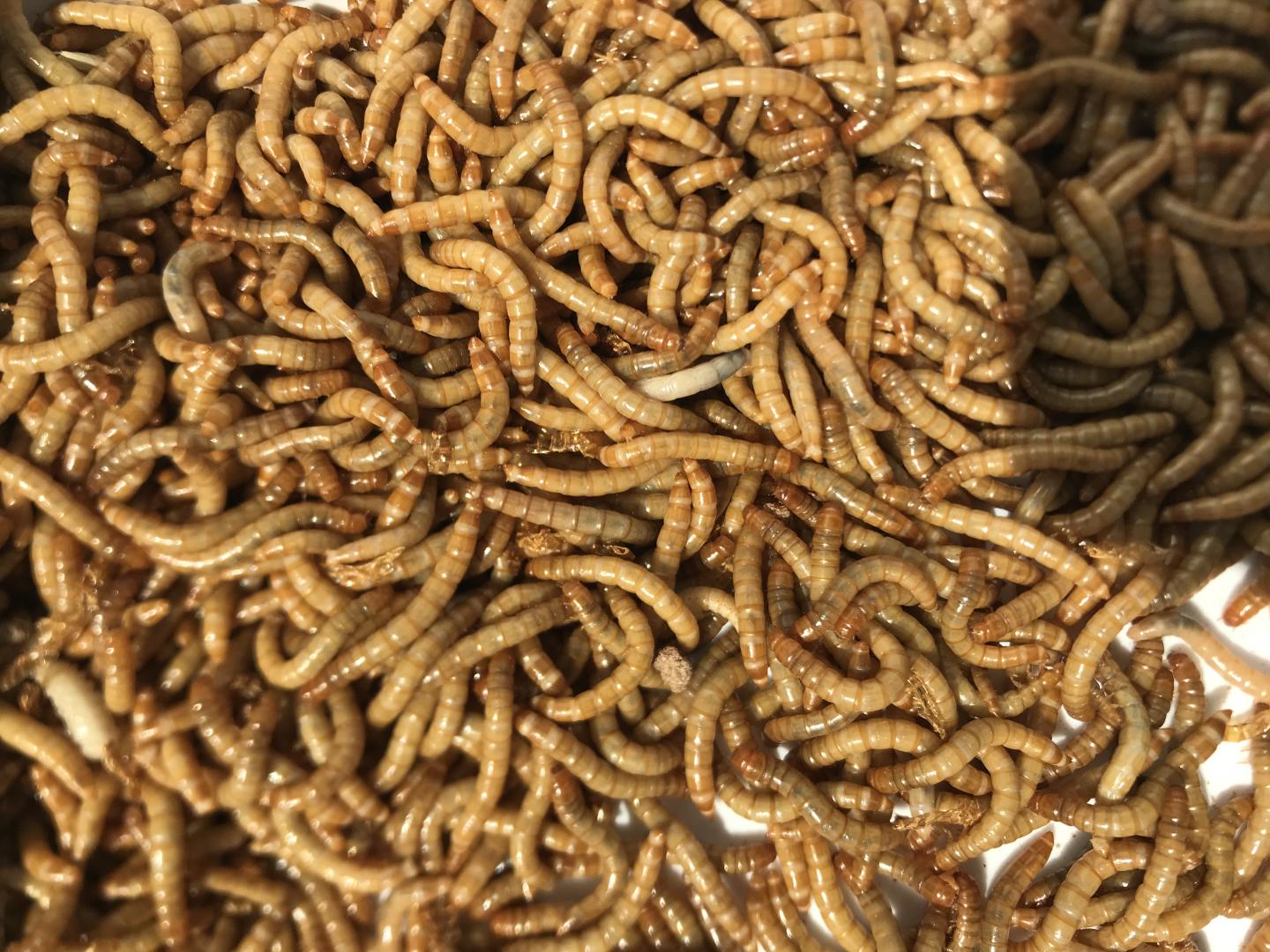
Credit: Christine Picard, IUPUI

INDIANAPOLIS — With global food demands rising at an alarming rate, a study led by IUPUI scientists has found new evidence that a previously overlooked insect shows promise as alternative protein source: the yellow mealworm.

The research is based upon a new analysis of the genome of the mealworm species Tenebrio molitor led by Christine Picard, associate professor of biology and director in Forensic and Investigative Sciences program at the School of Science at IUPUI.

The work was published in the Journal of Insects as Food and Feed on Aug. 31.

“Human populations are continuing to increase and the stress on protein production is increasing at an unsustainable rate, not even considering climate change,” said Picard, whose lab focuses on the use of insects to address global food demand.

The research, conducted in partnership with Beta Hatch Inc., has found the yellow mealworm — historically a pest — can provide benefit in a wide range of agriculture applications. Not only can it can be used as an alternative source of protein for animals including fish, but its waste is also ideal as organic fertilizer.

Picard and her team sequenced the yellow mealworm’s genome using 10X Chromium linked-read technology. The results will help those who now wish to utilize the DNA and optimize the yellow mealworm for mass production and consumption. This new technology integrates the best of two sequencing methods to produce a reliable genome sequence.

“Insect genomes are challenging, and the longer sequence of DNA you can generate, the better genome you can assemble,” said Picard.

Picard added the mealworm has — and will have — a wide variety uses.

“Mealworms, being insects, are a part of the natural diet of many organisms,” said Picard. “Fish enjoy mealworms, for example. They could also be really useful in the pet food industry as an alternative protein source, chickens like insects — and maybe one day humans, too, because it’s an alternative source of protein.”

Next, Picard said the researchers plan to look at what governs some of the biological processes of yellow mealworms in order to harness information useful for the commercialization of these insects.

###

Media Contact
Kevin Fryling
[email protected]

Related Journal Article

http://dx.doi.org/10.3920/jiff2019.0057

Tags: AgricultureBiologyFertilizers/Pest ManagementFisheries/AquacultureFood/Food ScienceGeneticsMolecular BiologyNutrition/Nutrients
Share12Tweet8Share2ShareShareShare2

Related Posts

Scarring Lungs Light Up on PET Scans, Hinting at How Deadly Pulmonary Fibrosis Will Become

Scarring Lungs Light Up on PET Scans, Hinting at How Deadly Pulmonary Fibrosis Will Become

October 6, 2026
Skin Clues That Reveal Hidden Lung Disease in Autoimmune Rheumatic Conditions

Skin Clues That Reveal Hidden Lung Disease in Autoimmune Rheumatic Conditions

October 6, 2026

Nurses’ Loyalty to Their Hospital, Not Just Their Workload, Predicts Who Quits

October 6, 2026

Smartwatch Sleep Apnea Detection Shows Promise but Faces Clinical Hurdles

October 6, 2026
Please login to join discussion

POPULAR NEWS

  • Alloys That Shrink Their Own Grains: New PIX Mechanism Refines Metals With Heat Alone

    Alloys That Shrink Their Own Grains: New PIX Mechanism Refines Metals With Heat Alone

    29 shares
    Share 12 Tweet 7
  • Endurance Exercise Reshapes the Liver in Males and Females Through Distinct Molecular Routes

    29 shares
    Share 12 Tweet 7
  • Single Transcription Factor PU.1 Rapidly Converts Fibroblasts into Macrophage-Lineage Cells

    29 shares
    Share 12 Tweet 7
  • New Scale Measures How Ready Nurse Educators Really Are for the AI Era

    29 shares
    Share 12 Tweet 7

About

We bring you the latest biotechnology news from best research centers and universities around the world. Check our website.

Follow us

Recent News

Alloys That Shrink Their Own Grains: New PIX Mechanism Refines Metals With Heat Alone

Endurance Exercise Reshapes the Liver in Males and Females Through Distinct Molecular Routes

Single Transcription Factor PU.1 Rapidly Converts Fibroblasts into Macrophage-Lineage Cells

Subscribe to Blog via Email

Success! An email was just sent to confirm your subscription. Please find the email now and click 'Confirm' to start subscribing.

Join 85 other subscribers
  • Contact Us

Bioengineer.org © Copyright 2023 All Rights Reserved.

Welcome Back!

Login to your account below

Forgotten Password?

Retrieve your password

Please enter your username or email address to reset your password.

Log In
No Result
View All Result
  • Homepages
    • Home Page 1
    • Home Page 2
  • News
  • National
  • Business
  • Health
  • Lifestyle
  • Science

Bioengineer.org © Copyright 2023 All Rights Reserved.