• HOME
  • NEWS
  • EXPLORE
    • CAREER
      • Companies
      • Jobs
    • EVENTS
    • iGEM
      • News
      • Team
    • PHOTOS
    • VIDEO
    • WIKI
  • BLOG
  • COMMUNITY
    • FACEBOOK
    • INSTAGRAM
    • TWITTER
Thursday, August 20, 2026
BIOENGINEER.ORG
No Result
View All Result
  • Login
  • HOME
  • NEWS
  • EXPLORE
    • CAREER
      • Companies
      • Jobs
        • Lecturer
        • PhD Studentship
        • Postdoc
        • Research Assistant
    • EVENTS
    • iGEM
      • News
      • Team
    • PHOTOS
    • VIDEO
    • WIKI
  • BLOG
  • COMMUNITY
    • FACEBOOK
    • INSTAGRAM
    • TWITTER
  • HOME
  • NEWS
  • EXPLORE
    • CAREER
      • Companies
      • Jobs
        • Lecturer
        • PhD Studentship
        • Postdoc
        • Research Assistant
    • EVENTS
    • iGEM
      • News
      • Team
    • PHOTOS
    • VIDEO
    • WIKI
  • BLOG
  • COMMUNITY
    • FACEBOOK
    • INSTAGRAM
    • TWITTER
No Result
View All Result
Bioengineer.org
No Result
View All Result
Home NEWS Science News Health

Structural analysis of relevant drug targets for Alzheimer’s disease

Bioengineer by Bioengineer
June 12, 2017
in Health
Reading Time: 2 mins read
0
Share on FacebookShare on TwitterShare on LinkedinShare on RedditShare on Telegram

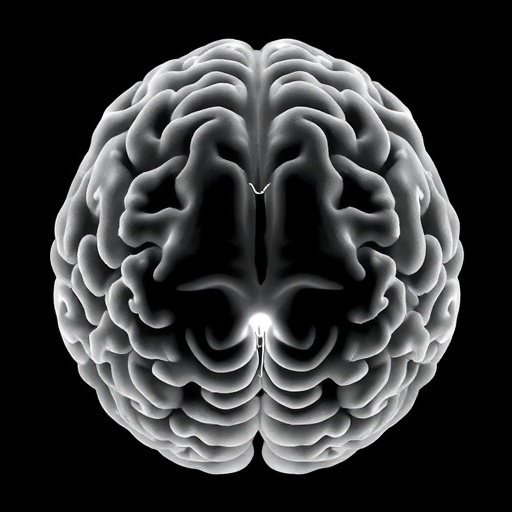
Alzheimer's Disease (AD) is classified as a neurodegenerative non-curable disease that affects millions worldwide. Current drugs have side effects that are significant. In AD, the beta-amyloid precursor protein (?-APP) that is critical for normal neuronal growth, survival and repair, is improperly cleaved by specific aspartic proteases, which create fragments that form plaques of amyloid beta. These fragments aggregate outside neurons and create plaques which lead to destruction of neural signaling. The pathophysiology of AD is complex, although there are many approaches to combat the disease. Many studies target PTB domain-containing proteins in order to inhibit binding to ?-APP preventing amyloid formation; whereas others target inhibition of specific aspartate proteases required for amyloid plaque formation. The role of GSK-3 is actively being studied in addition to specific inhibitors to this target for AD. Structural examples analyzed include Presenilin Homologue (PSH) protein and Mint1 which are important for the regulation of ?-APP.

Recent studies are reviewed, examining inhibition of the aspartic protease BACE_1, which is known to cleave ?-APP to ?-amyloid, essential to the formation of ?-amyloid plaques. A structural analysis of BACE_1/inhibitor complexes is provided with suggested modifications to increase bioavailability of inhibitors. Novel techniques utilizing nanoparticles to destroy ?-amyloid plaques is introduced as a possible future therapy for AD. Preliminary characterization and analysis of nanoparticle sizes to deliver GSK-3 inhibitors is presented. ?-APP presents a formidable challenge as a target for drug development to block ?-amyloid plaque formation (?-APP cleavage) in AD. A more direct approach to combat AD is the inhibition of the aspartic protease BACE_1. The role of GSK-3 in AD introduces a new level of complexity in the pathophysiology of AD. The current focus of many studies is to employ methods of drug delivery to these known targets via nanoparticles and microspheres.

###

For more information about the article, please visit http://www.eurekaselect.com/143043

Media Contact

Faizan ul Haq
[email protected]
@BenthamScienceP

http://benthamscience.com/

############

Story Source: Materials provided by Scienmag

Share12Tweet8Share2ShareShareShare2

Related Posts

Genetic score uncovers type 1 diabetes in nearly one-fifth of MODY referrals

August 20, 2026

USC research shows gray and white matter jointly support older adults’ cognition

August 20, 2026

Bereaved children face double the risk of mental health disorders

August 20, 2026

DINE Study Assesses Metal Exposure in Preterm Infants Through Shed Teeth

August 20, 2026
Please login to join discussion

POPULAR NEWS

  • After California coastal wildfires, human and animal fecal bacteria contaminate coastal waters

    29 shares
    Share 12 Tweet 7
  • Genetic score uncovers type 1 diabetes in nearly one-fifth of MODY referrals

    29 shares
    Share 12 Tweet 7
  • Researchers design a novel, stable human growth factor

    29 shares
    Share 12 Tweet 7
  • KAIST’s oxygen-tunnel 3D memory boosts AI chip performance while cutting power use

    29 shares
    Share 12 Tweet 7

About

We bring you the latest biotechnology news from best research centers and universities around the world. Check our website.

Follow us

Recent News

After California coastal wildfires, human and animal fecal bacteria contaminate coastal waters

Genetic score uncovers type 1 diabetes in nearly one-fifth of MODY referrals

Researchers design a novel, stable human growth factor

Subscribe to Blog via Email

Enter your email address to subscribe to this blog and receive notifications of new posts by email.

Join 85 other subscribers
  • Contact Us

Bioengineer.org © Copyright 2023 All Rights Reserved.

Welcome Back!

Login to your account below

Forgotten Password?

Retrieve your password

Please enter your username or email address to reset your password.

Log In
No Result
View All Result
  • Homepages
    • Home Page 1
    • Home Page 2
  • News
  • National
  • Business
  • Health
  • Lifestyle
  • Science

Bioengineer.org © Copyright 2023 All Rights Reserved.