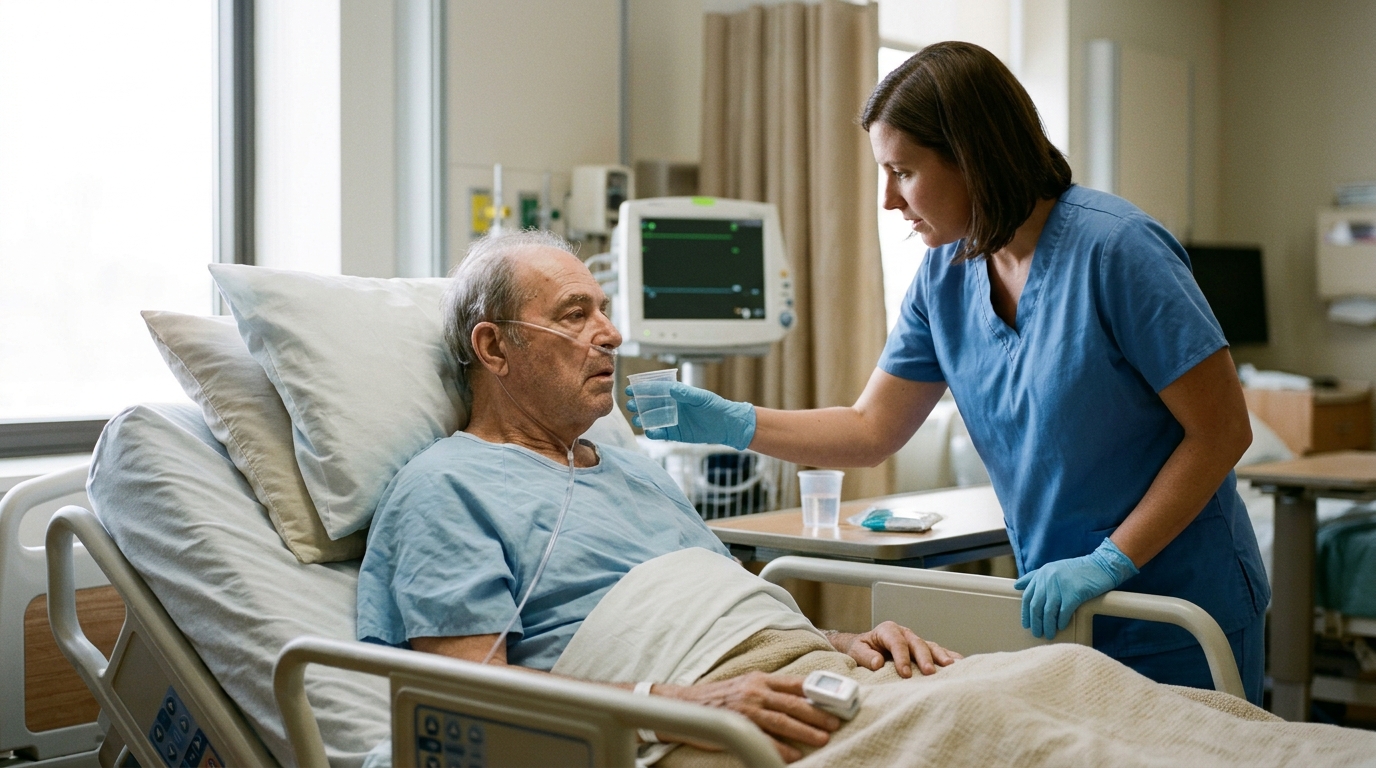
Stroke-associated pneumonia (SAP) stands as one of the most significant and frequent complications encountered in the aftermath of an acute stroke, impacting approximately one in eight patients. This condition, defined as a lower respiratory tract infection occurring within seven days of the initial event, serves as a major determinant of mortality and unfavorable functional recovery. Beyond the immediate dangers posed by brain damage, cerebral edema, and cardiovascular complications, SAP frequently leads to respiratory failure and extended periods of hospitalization. Recent investigations have extended the clinical scope of SAP to include potential mechanistic links with post-stroke cognitive impairment, suggesting that the physiological aftershocks of a stroke are far more reaching than previously appreciated. Although the clinical relevance of SAP has long been established in medical literature, the European Stroke Organisation (ESO) only formalized its first comprehensive guideline on the condition in 2026. This guideline addresses 15 critical questions concerning the diagnosis, treatment, and prevention of SAP in non-ventilated patients, though researchers acknowledge that most recommendations remain based on expert consensus rather than high-level evidence from randomized controlled trials due to the current scarcity of high-quality data.
The epidemiology of SAP reveals a stark contrast when compared to general hospital settings. While the incidence of pneumonia among hospitalized patients in general is approximately 1.6%, stroke units report rates closer to 12.5%, highlighting a specific susceptibility inherent to the post-stroke state. This incidence exhibits high degrees of heterogeneity across different clinical environments, likely influenced by varying management practices and diagnostic criteria. The consequences of SAP are severe; in-patient mortality for affected individuals reaches 21.6%, and those presenting with severe stroke face a 40% increased risk of in-hospital mortality compared to counterparts without the infection. Furthermore, SAP correlates strongly with increased economic burdens, higher rates of institutionalization, prolonged intensive care utilization, and the risk of recurrent stroke. Identifying patients at high risk is therefore a clinical priority, with factors such as age, male sex, pre-stroke disability, pre-existing conditions like chronic obstructive pulmonary disease, and stroke severity—measured by the National Institutes of Health Stroke Scale (NIHSS)—serving as primary predictors. Patients with an NIHSS score of four or lower have a pneumonia risk of approximately 1–2%, which escalates to roughly 28% in patients with an NIHSS score of 16 or greater.
The underlying pathophysiology of SAP is complex, characterized by the convergence of physical disabilities and a profound state of systemic immunodepression. While aspiration is often considered the primary route of infection, some preclinical and observational studies have proposed a gut-derived route of bacterial translocation to the lung, pointing to shifts in the microbiome composition post-stroke. However, the exact role of these gut-related mechanisms remains a subject of debate. A systemic state of immunodepression, a common feature following various severe CNS injuries and non-neurological diseases like myocardial infarction, plays a pivotal role in this susceptibility.
Systemic immunodepression in stroke patients is orchestrated by the activation of the autonomic nervous system and the hypothalamic-pituitary-adrenal axis, often within hours of the initial insult. In response to local brain damage, hypoxia, and the subsequent release of proinflammatory mediators such as IL-1β, TNFα, and HMGB1, the sympathetic nervous system triggers the massive release of catecholamines into the bloodstream. This surge leads to measurable immunological consequences, including the loss of marginal-zone B cells in the spleen and a reduction in systemic IgM levels. Clinical observations have confirmed that human stroke patients exhibit reduced expression of HLA-DR on monocytes—a crucial marker for antigen presentation and adaptive immune function—as well as an impaired oxidative burst capability. These functional deficits, often correlated with elevated norepinephrine levels, correlate directly with an increased risk of developing post-stroke infections. This process is further exacerbated by glucocorticoid release, which contributes to lymphopenia and suppresses the production of proinflammatory cytokines, creating a systemic environment highly favorable for bacterial proliferation.
Within the immune system, the impact of stroke is extensive, affecting diverse cell subsets including T cells, B cells, and neutrophils. Patients frequently present with lymphopenia, a marked shift in T cell phenotype from a proinflammatory Th1 response to an anti-inflammatory Th2 response, and a reduction in CD4+ T cell counts, the latter of which is specifically associated with the development of SAP. Simultaneously, neutrophil activity is altered, particularly in the lungs, where crucial antibacterial functions like oxidative burst and neutrophil extracellular trap (NET) formation appear impaired. Interestingly, while neutrophil function is compromised, total neutrophil counts in the blood rise during the initial days post-stroke, causing an elevated neutrophil-to-lymphocyte ratio that functions as a predictive biomarker for SAP. Age also compounds these challenges; the chronic low-grade inflammatory state associated with aging, combined with a natural functional decline in innate and adaptive immune responses, creates an environment where older individuals are significantly more prone to pneumonia. Current research emphasizes the need for age-stratified studies to better understand these immunosenescent trajectories in stroke recovery.
The dilemma of post-stroke immunodepression presents a clinical paradox: while this systemic downregulation of the immune system is a major driver of infection and poor outcomes, it might serve a potentially protective function by limiting unwanted, excessive autoimmune responses within the brain. This delicate balance complicates therapeutic interventions, as immunomodulatory treatments intended to bolster the peripheral immune system could potentially trigger harmful neuroinflammation. Growing evidence links post-stroke systemic inflammation to long-term cognitive impairment, with mechanisms potentially involving the production of proinflammatory cytokines by microglia, Toll-like receptor 4 signaling, and adaptive immune responses driven by autoreactivity to CNS antigens. Researchers are therefore faced with the challenge of finding targeted approaches that address the increased risk of SAP without sacrificing the mechanisms that keep neuroinflammation in check. Data suggests that the strength of the early immune response—specifically within two days post-stroke—correlates significantly with functional outcomes at three months and one year, underscoring the clinical importance of this early critical window.
Diagnosis of SAP remains inherently difficult due to the lack of an universally accepted gold standard. Current diagnostic efforts often rely on clinical algorithms such as the Pneumonia in Stroke Consensus Group (PISCES)-modified CDC criteria, which, while offering better positive predictive values than physician-diagnosed approaches alone, still face challenges with sensitivity and specificity. Chest X-rays remain the primary imaging modality but suffer from limited diagnostic accuracy and weak inter-rater reliability, prompting interest in the role of computed tomography (CT) as a backup for cases of diagnostic uncertainty. C-reactive protein (CRP) measurement, particularly at cut-offs of 30–40 mg/L, has shown utility as an adjunct diagnostic tool, especially in afebrile patients. Following established principles of antibiotic stewardship, clinicians are encouraged to employ microbial diagnostics—such as sputum cultures, blood cultures, and urinary antigen testing for specific pathogens like Streptococcus pneumoniae or Legionella species—particularly in severe cases, to tailor treatment to the individual’s infection profile.
Treatment protocols for SAP emphasize the necessity of timely, empirical antibiotic therapy, although the previous standard of a strict four-hour threshold has been replaced by recommendations for administration as soon as feasible. The choice of antibiotics is heavily reliant on local resistance patterns, with amoxicillin/clavulanate often used as a first-line agent, though treatment must be adjusted based on the specific clinical suspicion of MRSA or ESBL-producing organisms. A major shift in the management of SAP has occurred regarding the duration of therapy; while historically long courses were favored to ensure pathogen eradication, contemporary practice, informed by the risks of resistance, microbiome disruption, and adverse side effects, has shifted toward shorter courses, with a consensus suggesting that treatment should generally span at least five days. Clinicians are encouraged to re-evaluate the therapeutic strategy every 48 to 72 hours, adjusting based on ongoing microbiological findings and discontinuing therapy immediately if the diagnosis is invalidated. Despite these frameworks, no randomized controlled trial has definitively established the optimal duration of antibiotic treatment for SAP, making it a critical area for future prospective research.
Preventive strategies for SAP currently center on non-pharmacological interventions, as large randomized controlled trials have consistently failed to demonstrate a clinical benefit from prophylactic antibiotic administration. Key preventive measures include rigorous, formal dysphagia screening, which is recommended for all stroke patients before any oral intake is initiated. Implementation of nurse-initiated protocols and structured dysphagia assessment, including clinical swallowing examinations and instrumental assessments like flexible endoscopic evaluation of swallowing (FEES) or videofluoroscopic swallowing studies (VFSS), are considered standard of care. Early mobilization—within 48 hours—is also recommended, as it has been shown to reduce pneumonia risk, although clinicians must exercise caution, as very early mobilization (within 24 hours) in patients with severe strokes may be associated with poorer outcomes. Other recommended practices, such as maintaining a 30–45 degree head-up position during and after enteral feeding, serve as straightforward physical barriers to aspiration. Unfortunately, the utility of other interventions, including prophylactic corticosteroids, paracetamol for temperature management, and selective decontamination of the digestive tract, remain largely unsupported by current evidence.
Looking toward future research, the development of new treatments will require a deeper understanding of the local and systemic immunomodulatory processes that dictate SAP risk. Investigating drug targets such as beta-blockers, GM-CSF, and CD200 receptor 1 signaling represents a promising avenue for reversing systemic immunodepression, but these must be cautiously balanced against potential risks of autoimmune CNS reactivity. The use of advanced risk-prediction biomarkers, such as HLA-DR expression on monocytes or serial neutrophil-to-lymphocyte ratios, may eventually help define specific high-risk patient cohorts who would benefit most from tailored immunomodulatory therapies. Furthermore, there is an urgent need to better understand the pathogen spectrum associated with SAP, which appears to be distinct from both community-acquired and hospital-acquired pneumonia. As the field advances, researchers must move beyond unselected stroke populations and instead focus on mechanism-based, patient-stratified clinical trials that consider the complex temporal interplay between neuroinflammation, systemic immune function, and the gut-lung axis, ultimately seeking to resolve the immunodepression dilemma to improve long-term stroke outcomes.
Subject of Research: Clinical pathophysiology, diagnosis, and management of stroke-associated pneumonia.
Article Title: Stroke-associated pneumonia: from immunodepression to bedside management and future research directions
Article References: Benkendorff, A., & Meisel, A. (2026). Stroke-associated pneumonia: from immunodepression to bedside management and future research directions. Neurological Research and Practice, 8(1), Article 86. https://doi.org/10.1186/s42466-026-00546-9
Image Credits: AI Generated
DOI: 10.1186/s42466-026-00546-9
Keywords: Stroke, pneumonia, immunodepression, dysphagia, autonomic nervous system, mortality, neuroinflammation, antibiotic therapy, clinical guidelines, epidemiology, systemic inflammation, medical research, biomarkers, cognitive impairment, respiratory complications
News Source: Cassandra Pierce. (November 17, 2026). Stroke-Associated Pneumonia Driven by Dysphagia and Post-Stroke Immunodepression. Scienmag.