Recent advancements in our understanding of endometriosis have revealed significant insights into the mechanisms underlying this complex condition. New research by Zhuang, Lyu, Chen, and colleagues delves into the multifaceted roles of the bacterium Streptococcus agalactiae and the metabolite L-carnitine in the development of lesions and the process of angiogenesis. This study, published in the journal Angiogenesis, highlights a crucial intersection between microbiology and reproductive health, emphasizing the importance of microbial ecosystems in influencing disease outcomes.
Endometriosis, a disease characterized by the growth of endometrial-like tissues outside the uterus, affects millions of individuals worldwide. It presents myriad symptoms, including chronic pelvic pain, infertility, and dysmenorrhea. The pathophysiology of endometriosis remains poorly understood, prompting ongoing research to unravel its underlying mechanisms. This latest study provides a refreshing perspective, suggesting that certain microorganisms might play a pivotal role in the progression of this disease.
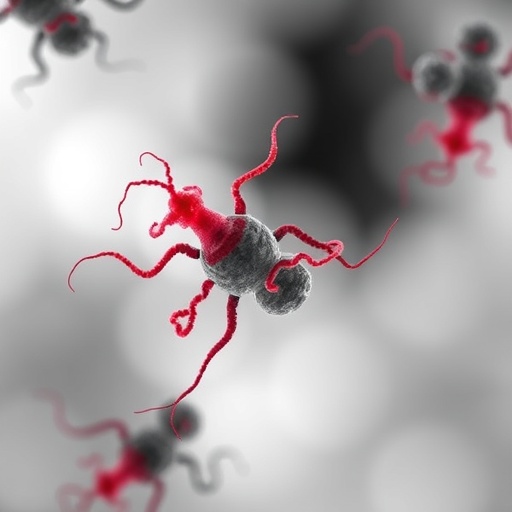
The investigation into Streptococcus agalactiae’s contributions brought forth surprising findings. Known primarily as a component of the human microbiota, particularly in the gastrointestinal tract and female reproductive system, this bacterium is traditionally associated with infections in newborns and pregnant women. However, its recent link to endometriosis suggests a more complex relationship, potentially indicating that it could exacerbate or contribute to the establishment of ectopic endometrial-like lesions. Understanding how this bacterium interacts with immune pathways may open new avenues for treatment and prevention.
The study also highlights the significance of L-carnitine, a compound critically involved in mitochondrial metabolism and energy production. Elevated levels of L-carnitine have been detected in ectopic endometrial tissues, raising questions about its role in promoting cellular proliferation and angiogenesis—the growth of new blood vessels. Angiogenesis is vital for supporting the survival and growth of endometriotic lesions, making it a key focus of therapeutic strategies aimed at alleviating endometriosis symptoms and preventing disease progression.
By incorporating both microbiological and metabolic perspectives, the researchers propose a novel mechanistic model. They suggest that Streptococcus agalactiae may influence local immune responses and modulate the inflammatory environment, thus creating conditions favorable for lesion development. Concurrently, L-carnitine may enhance neovascularization, further complicating the disease landscape. This intertwined interaction emphasizes the importance of considering multiple biological layers when evaluating the pathogenesis of endometriosis.
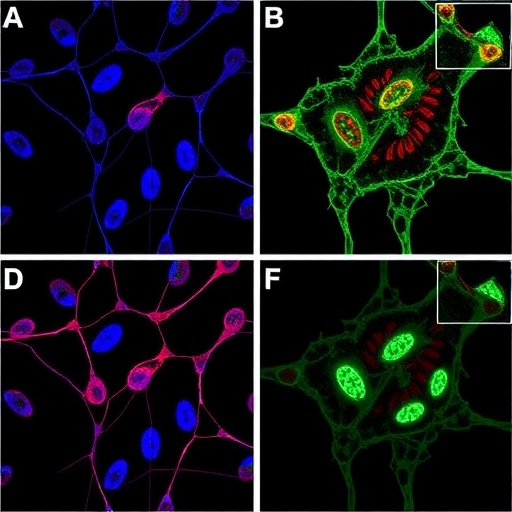
Furthermore, the researchers employed advanced methodologies, including in vivo models and advanced imaging techniques, to elucidate the roles of these factors comprehensively. Their findings not only shed light on the direct contributions of these elements to disease progression but also underscore the impact of the broader microbiome in the shaping of individual health outcomes. Such integration of microbiome research into traditional pathophysiological paradigms could revolutionize our approach to endometriosis, leading to more personalized therapeutic strategies.
The implications of this work extend beyond scientific curiosity. As the prevalence of endometriosis continues to rise, particularly among young women, the need for effective interventions becomes increasingly urgent. In addressing the underlying mechanisms of disease, researchers may identify potential biomarkers for early detection and novel therapeutic targets, paving the way for innovative treatments that alleviate suffering and improve quality of life for those affected by this condition.
The paper’s findings have already sparked discussions in both clinical and research contexts. Experts in gynecology and reproductive health are particularly interested in how these insights may be translated into clinical practice. Enhancing awareness and understanding of the microbiome’s role in gynecological diseases could lead to significant changes in how healthcare providers approach diagnosis and management.
As the scientific community continues to explore the repositories of knowledge clustered within the human microbiome, studies like this one serve as critical stepping stones toward realization. A shift in paradigms, viewing conditions like endometriosis through the lens of infectious disease and metabolic regulation, empowers researchers and clinicians alike to devise more effective interventions. Moving forward, it will be vital to remain cognizant of these interconnections, as they will undeniably shape the future of reproductive health research and clinical practice.
Excitingly, this emerging field may soon yield other discoveries that could redefine our understanding of related conditions. For instance, research into metabolic processes could potentially unveil novel therapeutic targets in other gynecological diseases or broader inflammatory conditions. As this study exemplifies, the cross-disciplinary nature of contemporary research can foster unexpected breakthroughs, transcending traditional boundaries that have historically compartmentalized scientific inquiry.
In conclusion, the research conducted by Zhuang and colleagues augurs a new era in understanding endometriosis—one where the roles of microorganisms and metabolic factors are recognized as crucial contributors to disease development and progression. As we delve deeper into these complex interactions, the potential for more effective, targeted treatments becomes tangible. The journey of unraveling the complexities of endometriosis has only just begun, and the scientific community eagerly anticipates future investigations that could further illuminate this enigmatic condition.
Subject of Research: Endometriosis and its mechanistic insights involving Streptococcus agalactiae and L-carnitine.
Article Title: Mechanistic insights into endometriosis: roles of Streptococcus agalactiae and L-carnitine in lesion development and angiogenesis.
Article References:
Zhuang, Y., Lyu, T., Chen, Y. et al. Mechanistic insights into endometriosis: roles of Streptococcus agalactiae and L-carnitine in lesion development and angiogenesis.
Angiogenesis 28, 38 (2025). https://doi.org/10.1007/s10456-025-09991-7
Image Credits: AI Generated
DOI: https://doi.org/10.1007/s10456-025-09991-7
Keywords: endometriosis, Streptococcus agalactiae, L-carnitine, angiogenesis, microbiome, reproductive health
Tags: angiogenesis in endometriosischronic pelvic pain and endometriosisendometrial-like tissue growthinfertility and endometriosisL-Carnitine role in reproductive healthmicrobial ecosystems and disease outcomesmicrobiome influence on endometriosispathophysiology of endometriosisrecent research on endometriosisStreptococcus agalactiae in endometriosisunderstanding endometriosis mechanismswomen’s health and microbiology