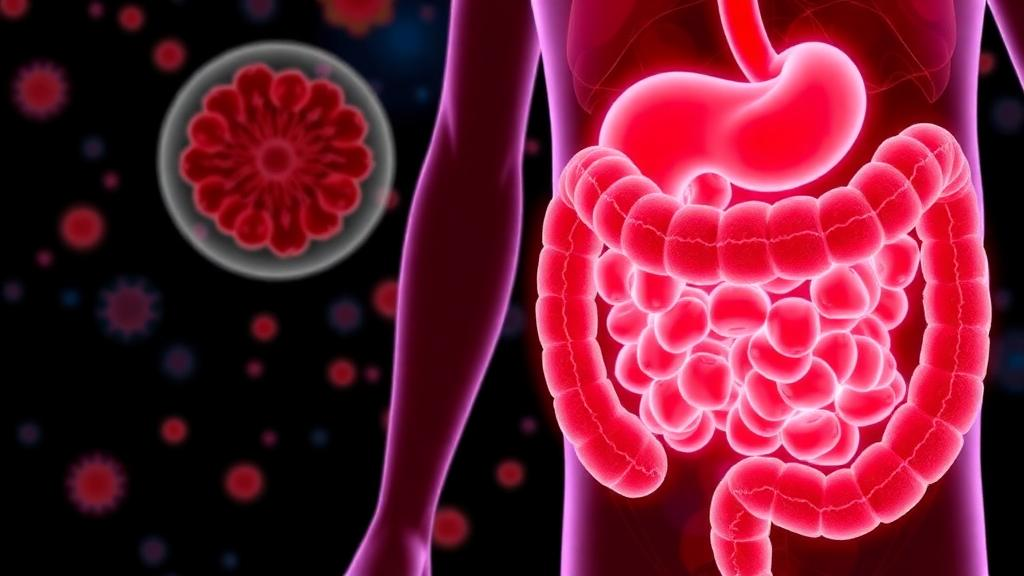
Stem cell therapy has long been framed as a story about repairing damaged tissue, but a new systematic review suggests the plot may run through an unexpected organ: the gut. Researchers at Universiti Malaya and Universiti Kebangsaan Malaysia systematically combed five major biomedical databases for animal studies in which mesenchymal stem cells, the regenerative workhorses of experimental medicine, were evaluated alongside measurements of the gut microbiota. Their synthesis, published in Molecular Biology Reports under PRISMA 2020 reporting guidelines, gathered 31 preclinical studies spanning colitis, diabetes, lung injury, Parkinson’s disease, Alzheimer’s disease, liver disease, stroke and more. The verdict is nuanced and, in places, sobering: stem cells do appear to reshape microbial communities in the intestine, but the changes are strikingly context-dependent, and the dream that this mechanism could translate into a new treatment for high blood pressure remains, for now, unproven.
Mesenchymal stem cells, or MSCs, are adult stromal cells typically harvested from bone marrow, adipose tissue, umbilical cord or amniotic membrane. They secrete anti-inflammatory signals, modulate immune responses and home to sites of injury, which explains their popularity across regenerative medicine. What has become increasingly clear over the past decade is that these cells do not act in isolation. The trillions of microbes inhabiting the intestine communicate with the immune system through microbial metabolites, barrier integrity and immune cell trafficking, and growing evidence links gut dysbiosis to conditions ranging from inflammatory bowel disease to hypertension. The Malaysian team set out to map whether MSC therapy consistently corrects that dysbiosis, and whether the microbial shifts could plausibly mediate the therapeutic effects observed in animal models.
The quantitative picture that emerged is one of heterogeneity rather than a single unifying signature. Of the 27 studies reporting alpha-diversity, a measure of how many species and how evenly they are distributed within a single sample, 11 found an increase after MSC treatment, three found a decrease, 11 reported no significant difference, and two described a change without a clear direction. Beta-diversity, which compares the composition of entire microbial communities between groups, was assessed in 27 studies and likewise showed between-group differences that varied widely across disease models, cell sources and delivery routes. In other words, there is no universal microbial restoration pattern triggered by MSC infusion; the gut responds differently depending on the disease context, the tissue origin of the cells and the experimental design.
One of the most closely watched microbial metrics in cardiometabolic research is the ratio of Firmicutes to Bacteroidetes, two dominant bacterial phyla whose balance has been linked to obesity, metabolic syndrome and blood pressure regulation. Only four studies in the review quantified this ratio, and even here the results split: three reported a lower ratio after MSC intervention while one reported a higher one. This inconsistency matters because much of the hypertension-microbiome literature leans on such coarse taxonomic markers. The review’s authors argue that simply counting bacterial taxa is not enough, and that enrichment of bacteria known to produce short-chain fatty acids, metabolites with well-documented vasodilatory and anti-inflammatory properties, cannot substitute for directly measuring those metabolites themselves.
That measurement gap is one of the review’s most important findings. Only three of the 31 studies directly quantified short-chain fatty acids, and just five used direct metabolomics or targeted bile-acid profiling. Short-chain fatty acids such as acetate, propionate and butyrate act on G-protein coupled receptors on immune and vascular cells, and clinical trials have shown that boosting their production with a resistant starch prebiotic can lower blood pressure in untreated hypertensive patients. Bile acids and indole derivatives such as indole propionic acid have similarly been implicated in blood pressure control through immune and vagal signalling pathways. Yet in most MSC studies, the metabolic layer of the gut-microbiome axis went unmeasured, leaving the mechanistic chain from cell therapy to microbial change to host benefit largely speculative.
The immune dimension was far better covered, with 27 studies assessing inflammatory or immune outcomes and 18 examining gut-barrier integrity. Here the evidence was more coherent: MSC therapy frequently reduced pro-inflammatory markers, rebalanced T-helper 17 and regulatory T cell populations, and improved intestinal permeability, the leakiness that allows bacterial lipopolysaccharide to enter circulation and drive the low-grade endotoxemia associated with cardiovascular disease. Studies in colitis models showed that human umbilical cord MSCs restored microbial diversity, increased immunoglobulin A secretion and modulated the microbiota-SCFA-immune axis. Work in graft-versus-host disease demonstrated that human amniotic MSCs protected mice in a manner dependent on the intestinal microbiome, and even fecal microbiota transplantation from MSC-treated mice could transfer protective anti-inflammatory effects to recipients with acute lung injury.
So where does hypertension fit in? The connection is biologically plausible: gut dysbiosis has been reproducibly documented in hypertensive humans and animal models, microbial metabolites influence vascular tone and sympathetic activity, and MSCs are known to modulate both inflammation and the microbiota. But the preclinical evidence assembled in this review falls short of closing the loop. Of the 31 studies included, only one used a pulmonary hypertension model, in which MSC therapy reversed gut microbiota changes in hypoxia-induced mice, and not a single study directly evaluated systemic hypertension. No trial has yet tested whether MSC-mediated microbial modulation lowers blood pressure in a hypertensive animal model, let alone in patients. The review is explicit that the current preclinical evidence does not establish an antihypertensive effect.
The review also delivers a methodological caution that extends well beyond the hypertension question. Of the 310 risk-of-bias judgements made using the SYRCLE tool for animal studies, 74.5 percent were rated unclear and only 25.5 percent were rated low risk, reflecting widespread deficiencies in reporting randomization, blinding and allocation concealment. Moreover, even where microbial and host changes occurred in parallel, the studies generally did not demonstrate causal mediation, meaning it remains unknown whether the microbiota changes actually caused the therapeutic benefit or merely accompanied it. Distinguishing correlation from causation will require carefully designed experiments, such as microbiota transfer from treated to untreated animals, metabolite supplementation and germ-free or antibiotic-treated controls, applied specifically to blood pressure endpoints.
What the review does establish is a credible biological foundation for the next phase of research. MSC-associated gut microbiota modulation is real, reproducible across many disease contexts and mechanistically intertwined with immune regulation and barrier repair. The authors suggest that targeted mechanistic investigation, ideally with standardized cell manufacturing under good manufacturing practice conditions, consistent culture media and direct metabolite measurement, could clarify whether the microbiome is a genuine therapeutic mediator or an epiphenomenon. If the microbiota does prove to be a mediator, combination strategies that pair cell therapy with prebiotics or engineered metabolite production could amplify cardiovascular benefit. Until then, the tantalizing idea that a stem cell infusion could quiet inflammation through the gut and ease hypertension remains exactly that: a well-grounded hypothesis awaiting its decisive experiment.
Subject of Research: Mesenchymal stem cell therapy and gut microbiota modulation in preclinical disease models with implications for hypertension
Article Title: Mesenchymal stem cell therapy and gut microbiota modulation in preclinical disease models: a systematic review with implications for hypertension
Article References: Kumereshwaran, D. D., Kuppusamy, S. G., Lokanathan, Y., Rajamanikam, A., & Govindaraju, K. (2026). Mesenchymal stem cell therapy and gut microbiota modulation in preclinical disease models: a systematic review with implications for hypertension. Molecular Biology Reports, 53(1), Article 1632. https://doi.org/10.1007/s11033-026-12782-y
Image Credits: AI Generated
DOI: 10.1007/s11033-026-12782-y
Keywords: mesenchymal stem cells, gut microbiota, hypertension, short-chain fatty acids, dysbiosis, systematic review, preclinical models, microbiome, inflammation, gut barrier, SCFA, immunomodulation
News Source: Morgan Morrow. (October 6, 2026). Stem Cells Reshape the Gut Microbiome, but a Blood Pressure Cure Remains Elusive. Scienmag.