A recent review published in the Journal of Ovarian Research evaluates the emerging role of mesenchymal stem cells and their derivative exosomes in addressing impaired ovarian function. Conditions characterized by diminished ovarian function, such as primary ovarian insufficiency, diminished ovarian reserve, and poor ovarian response, present major hurdles to female reproductive health and substantially reduce the success rates of assisted reproductive technologies. While clinical management has advanced through individualized stimulation protocols and in vitro fertilization techniques, conventional therapeutic approaches remain primarily supportive and cannot restore the biological reserve of the ovary or reverse the aging process of ovarian tissue.
The biological mechanisms driving ovarian dysfunction involve complex interactions across genetic, endocrine, immunological, and age-related factors, with advanced maternal age serving as the single strongest predictor of adverse reproductive outcomes. Recent genomic research highlighted in the review confirms the polygenic architecture underlying ovarian dysfunction. Researchers have identified key molecular pathways governing cellular metabolism, DNA repair mechanisms, folliculogenesis, and immune regulation, all of which underscore the pronounced biological heterogeneity of these disorders and demonstrate the necessity of targeted, mechanism-based therapeutic strategies beyond standard hormone replacement therapy and donor oocyte programs.
To overcome these treatment constraints, regenerative medicine strategies utilizing mesenchymal stem cells are undergoing extensive scientific exploration. In preclinical experimental models, mesenchymal stem cells have shown considerable promise by restoring normal ovarian architecture, improving circulating hormonal profiles, and enhancing overall fertility outcomes. These therapeutic benefits occur predominantly through paracrine mechanisms, whereby the transplanted stem cells exert crucial immunomodulatory effects and inhibit apoptotic cell death pathways within the ovarian microenvironment.
Preliminary clinical investigations into intraovarian mesenchymal stem cell administration indicate that direct delivery into ovarian tissue is feasible and exhibits an encouraging initial safety profile. Patients participating in early-stage trials have demonstrated measurable improvements in established markers of ovarian reserve alongside improved outcomes during assisted reproductive procedures. These initial findings support the potential utility of cellular therapy, although systematic evaluation in larger randomized trials remains necessary to validate long-term clinical efficacy.
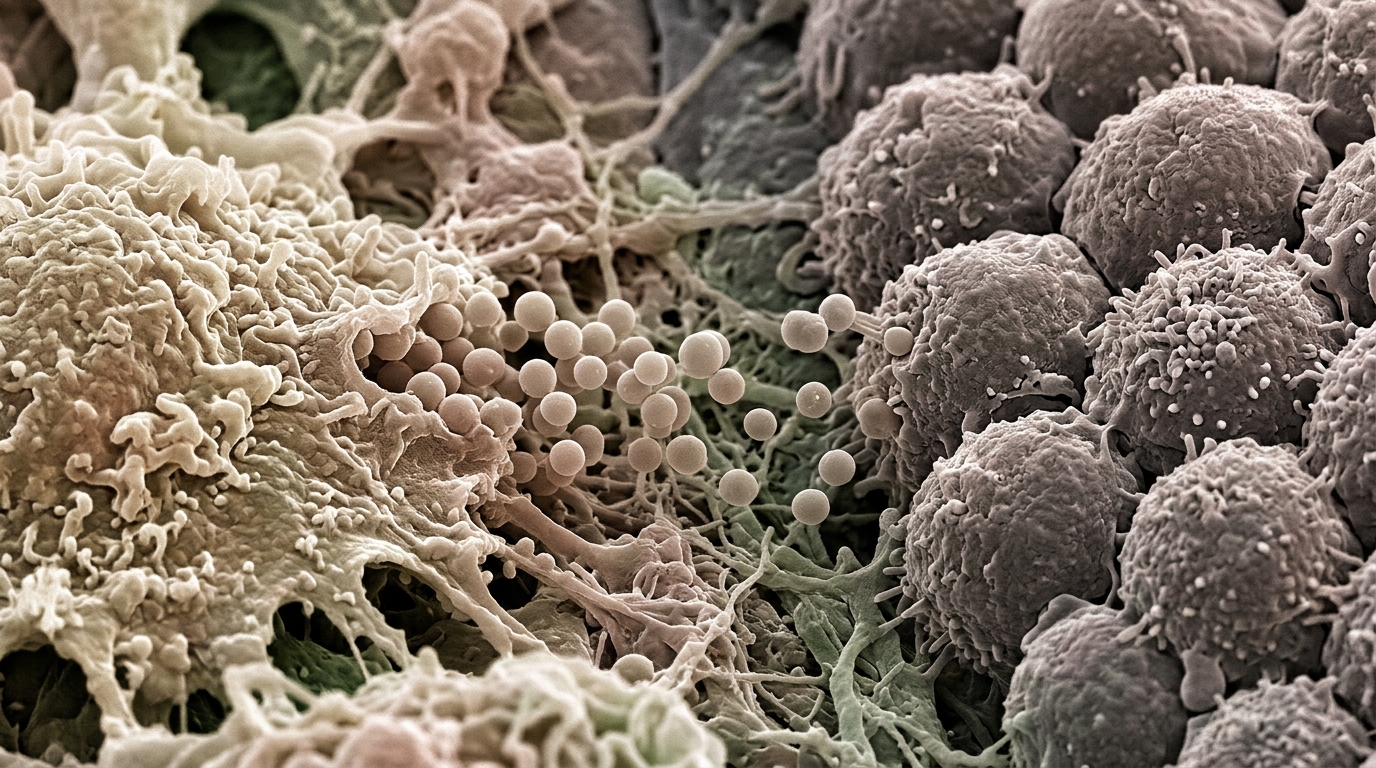
In parallel with whole-cell therapies, mesenchymal stem cell-derived exosomes have emerged as a compelling cell-free regenerative platform. Exosomes preserve many of the primary regenerative, anti-apoptotic, and immunomodulatory characteristics of their parental stem cells while offering potential advantages over live cell transplantation. By utilizing these nanoscale extracellular vesicles, researchers aim to bypass certain biological hazards tied to live cell engraftment while achieving comparable regenerative signaling within target reproductive tissues.
Despite these encouraging findings, substantial translational and methodological limitations continue to constrain the clinical implementation of stem cell-derived exosomes. The review underscores a critical lack of standardized protocols for the isolation and molecular characterization of exosomes, alongside marked composition variability dependent upon the tissue source of the donor mesenchymal stem cells. Furthermore, optimal therapeutic dosing schedules and delivery routes remain uncertain, and robust clinical data from randomized controlled trials are currently lacking to definitively substantiate long-term safety and reproductive efficacy.
Subject of Research: Therapeutic potential and clinical limitations of mesenchymal stem cells and exosomes for impaired ovarian function
Article Title: Emerging role of mesenchymal stem cells and their derivatives in the treatment of impaired ovarian function
Article References: Yunakova, M., Andreeva, P., Oprova, I., Timeva, T., Shterev, A., & Kyurkchiev, S. (2026). Emerging role of mesenchymal stem cells and their derivatives in the treatment of impaired ovarian function. Journal of Ovarian Research. https://doi.org/10.1186/s13048-026-02367-5
Image Credits: AI Generated
DOI: 10.1186/s13048-026-02367-5
Keywords: mesenchymal stem cells, ovarian function, primary ovarian insufficiency, diminished ovarian reserve, poor ovarian response, exosomes, regenerative medicine, assisted reproductive technologies, folliculogenesis, in vitro fertilization, ovarian reserve, paracrine signaling, anti-apoptotic, immunomodulation, reproductive medicine, cell-free therapy
News Source: Ophelia Keating. (November 27, 2026). Stem Cells and Exosomes Show Early Potential for Impaired Ovarian Function. Scienmag.