• HOME
  • NEWS
  • EXPLORE
    • CAREER
      • Companies
      • Jobs
    • EVENTS
    • iGEM
      • News
      • Team
    • PHOTOS
    • VIDEO
    • WIKI
  • BLOG
  • COMMUNITY
    • FACEBOOK
    • INSTAGRAM
    • TWITTER
Wednesday, September 30, 2026
BIOENGINEER.ORG
No Result
View All Result
  • Login
  • HOME
  • NEWS
  • EXPLORE
    • CAREER
      • Companies
      • Jobs
        • Lecturer
        • PhD Studentship
        • Postdoc
        • Research Assistant
    • EVENTS
    • iGEM
      • News
      • Team
    • PHOTOS
    • VIDEO
    • WIKI
  • BLOG
  • COMMUNITY
    • FACEBOOK
    • INSTAGRAM
    • TWITTER
  • HOME
  • NEWS
  • EXPLORE
    • CAREER
      • Companies
      • Jobs
        • Lecturer
        • PhD Studentship
        • Postdoc
        • Research Assistant
    • EVENTS
    • iGEM
      • News
      • Team
    • PHOTOS
    • VIDEO
    • WIKI
  • BLOG
  • COMMUNITY
    • FACEBOOK
    • INSTAGRAM
    • TWITTER
No Result
View All Result
Bioengineer.org
No Result
View All Result
Home NEWS Science News Biology

Stem cell identity unmasked by single cell sequencing technology

Bioengineer by Bioengineer
May 28, 2019
in Biology
Reading Time: 2 mins read
0
IMAGE
Share on FacebookShare on TwitterShare on LinkedinShare on RedditShare on Telegram

IMAGE

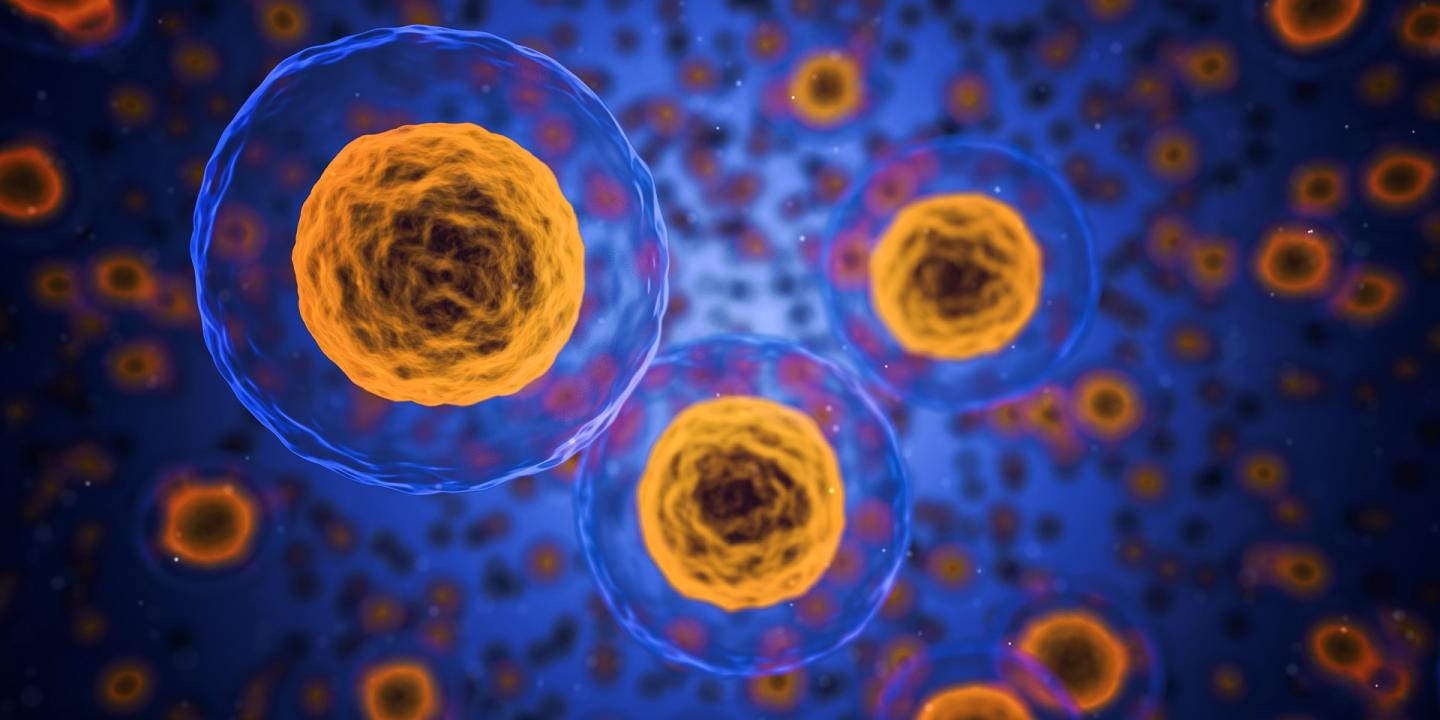
Credit: Pixabay

Scientists from The University of Queensland’s Diamantina Institute have revealed the difference between a stem cell and other blood vessel cells using gene-sequencing technology.

Leading skin cancer and stem cell researcher Professor Kiarash Khosrotehrani said the findings provided evidence of how stem cells express genes that allow them to be identified within a blood vessel.

“Until now, we couldn’t accurately say how a stem cell differed from the other cells without preconceived ideas,” Professor Khosrotehrani said.

“We hypothesised that stem cells expressed genes that could separate them from other cells inside the blood vessel.”

UQDI Senior Lecturer Dr Jatin Patel performed the study and looked at every single cell in the largest artery, the aorta, and identified the genes expressed by each cell through sequencing.

“This allowed us to examine every cell without any bias or pre-conceived idea of whether it is a stem cell or not,” Dr Patel said.

The study used single-cell RNA sequencing to look at the gene expression of each cell and group common cells together into separate populations.

UQ Institute for Molecular Bioscience Senior Research Officer Dr Sam Lukowski performed the analysis.

“We used specialised algorithms to group cells that express similar sets of genes into clusters,” Dr Lukowski explained.

“What we found is that these stem cells form little groups within the blood vessel and that is how you differentiate them from other cells.”

Knowing the exact profile of a stem cell will help researchers develop new treatment options for conditions like skin cancer, heart attacks and wound healing.

“This will have an impact on how we treat conditions which are the result of dysfunctional blood vessel behaviour,” Professor Khosrotehrani said.

“We know that if you can target these stem cells, then you can reduce blood vessel formation and potentially stop diseases like skin cancer metastasis.”

Previous research by Professor Khosrotehrani found that stopping the spread of melanoma to other parts of the body might be as simple as cutting off the blood supply to cancer.

“Blood vessels are vital because tumours can’t grow without them – they feed the tumours and allow the cancer to spread,” he said.

“If you get rid of these stem cells, then the blood vessels don’t form, and the tumours don’t grow or spread to other locations.”

In situations where blood vessels are missing or are clogged, providing more stem cells might generate new blood vessels and allow the supply of oxygen in cardiovascular diseases such as heart attacks, stroke or leg ischemia.

Professor Khosrotehrani had hypothesised this method of stem cell identification and said these findings provided answers to scientific debate.

“We’ve been working on this type of research for over ten years and the model we’ve found matches perfectly with our previous findings,” he said.

“The availability of the data publicly will allow scientists from all over the world to hopefully end some of the controversy around the identity and definition of these stem cells.”

###

Media Contact
Faculty of Medicine Communications
[email protected]

Tags: Cell BiologyDermatologyGeneticsMedicine/Health
Share12Tweet8Share2ShareShareShare2

Related Posts

Engineered mini CRISPR enzyme gets a 60-fold power boost for gene editing

Engineered mini CRISPR enzyme gets a 60-fold power boost for gene editing

September 27, 2026
Vitamin D Receptor Gene Variants Tied to Diabetic Foot Ulcer Risk in Kerala Study

Vitamin D Receptor Gene Variants Tied to Diabetic Foot Ulcer Risk in Kerala Study

September 27, 2026

Approved Metabolism Drugs Rescue Disease Signs in SMA Mice

September 27, 2026

Infant Gut Microbes and Diet-Derived Metabolites Linked to Childhood Asthma Risk

September 27, 2026
Please login to join discussion

POPULAR NEWS

  • Ending Armed Conflict Is the Missing Ingredient in the Fight Against Global Hunger

    29 shares
    Share 12 Tweet 7
  • Gut Hormones GLP-1 and GIP Emerge as Unexpected Players in Women’s Health

    29 shares
    Share 12 Tweet 7
  • Smart Nanoparticles Combine Heat and Chemotherapy in One Light-Triggered Cancer Platform

    29 shares
    Share 12 Tweet 7
  • Trunk Control May Hold a Key to Balance and Fall Risk in Older Adults

    29 shares
    Share 12 Tweet 7

About

We bring you the latest biotechnology news from best research centers and universities around the world. Check our website.

Follow us

Recent News

Ending Armed Conflict Is the Missing Ingredient in the Fight Against Global Hunger

Gut Hormones GLP-1 and GIP Emerge as Unexpected Players in Women’s Health

Smart Nanoparticles Combine Heat and Chemotherapy in One Light-Triggered Cancer Platform

Subscribe to Blog via Email

Enter your email address to subscribe to this blog and receive notifications of new posts by email.

Join 85 other subscribers
  • Contact Us

Bioengineer.org © Copyright 2023 All Rights Reserved.

Welcome Back!

Login to your account below

Forgotten Password?

Retrieve your password

Please enter your username or email address to reset your password.

Log In
No Result
View All Result
  • Homepages
    • Home Page 1
    • Home Page 2
  • News
  • National
  • Business
  • Health
  • Lifestyle
  • Science

Bioengineer.org © Copyright 2023 All Rights Reserved.