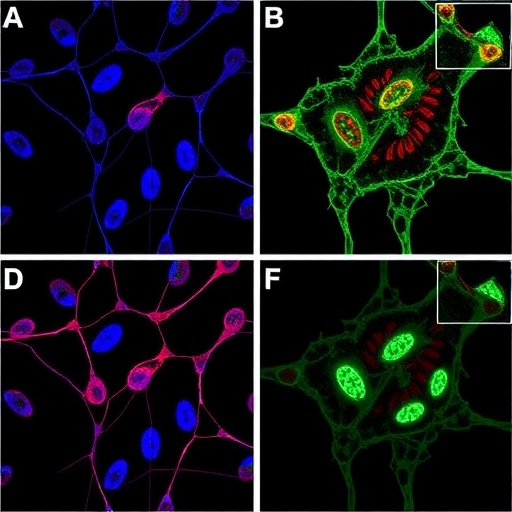
Recent groundbreaking research has shed light on the critical role of the enzyme Superoxide Dismutase 2 (SOD2) in pancreatic ductal adenocarcinoma (PDAC), a notoriously lethal form of cancer. This study, conducted by a team of scientists led by Fleming Martinez, H.R. Döppler, and R. Argo, highlights the intricate relationship between SOD2 levels and the progression of pancreatic lesions into malignant forms. Specifically, their work focuses on how the downregulation of SOD2 can lead to an increase in atypical flat lesions and dysplasia, which are precursors to cancer. This discovery not only provides deeper insights into pancreatic cancer biology but also opens up new avenues for therapeutic interventions aimed at disrupting this disease’s progression.
SOD2 functions as a crucial antioxidant enzyme, helping to mitigate oxidative stress within cells. The enzyme plays an essential role in cellular defense mechanisms by disassembling superoxide radicals into less harmful molecules. Understanding its functions and the consequences of its downregulation presents a perfect strategy for potential therapeutic approaches. The researchers explored these implications and noted that reduced SOD2 activity leads to higher oxidative stress levels, facilitating DNA damage and, consequently, genetic mutations. These mutations are particularly concerning as they can instigate the onset of carcinogenesis—where normal cells begin to transform into cancerous cells.
The study’s findings carry significant clinical implications, especially considering that PDAC is often diagnosed at an advanced stage, significantly complicating treatment options and impacting patient survival rates. By elucidating how decreased SOD2 can amplify the development of atypical lesions and dysplasia, this research underscores the potential of targeting SOD2 levels to prevent the malignant transformation of pancreatic cells. As was observed, not only does downregulation contribute to early lesion development, but it also facilitates progression toward more aggressive tumor characteristics.
In the context of cancer therapy, these insights could initiate a transformative strategy in the way we approach treatment. Therapeutic applications of SOD2 modulation can potentially reverse or slow down the progression of dysplastic lesions. The researchers posited that restoring SOD2 expression in pre-cancerous conditions may serve as a preventive measure against the emergence of PDAC. The study raises pivotal points regarding the significance of maintaining optimal SOD2 levels in cellular environments susceptible to oxidative stress and cancer formation.
As the scientific community continues to explore the cell signaling pathways linked to SOD2, the interaction between oxidative stress and cellular signaling pathways becomes increasingly apparent. Modified signaling cascades due to heightened oxidative stress can create a conducive environment for cancer progression. Unraveling these pathways not only facilitates a deeper understanding of cancer biology but could also lead to innovative, targeted treatments aimed at correcting the underlying disturbances that predispose cells to cancer development.
A pressing question remains: how do interventions that restore SOD2 levels translate into clinical testing and eventual therapy for cancer patients? Translating these findings from bench to bedside will require rigorous clinical studies to establish safety and efficacy. Collaboration between basic scientists and clinical researchers will be vital in designing trials that reflect these promising discoveries while adhering to regulatory protocols. Moreover, exploring the role of SOD2 in the context of other cancer types could amplify the implications of this research, providing broader insights into its relevance in oncology.
This study amplifies the urgency for new research approaches focused on cancer prevention, especially in high-risk populations for PDAC. With more knowledge about the deleterious effects associated with inadequate SOD2 function, it becomes imperative to consider proactive strategies that shield cells from oxidative stress-related damage. In an era where personalized medicine is taking center stage, tailoring interventions based on individual SOD2 expression profiles could revolutionize how we approach cancer prevention and treatment.
Furthermore, understanding the genetic and environmental factors contributing to SOD2 downregulation can provide a holistic view of how lifestyle choices may influence cancer risk. As the scientific community makes strides in demystifying these connections, it may prompt a broader public health discourse on preventive strategies that mitigate the risk of developing pancreatic cancer.
From a molecular perspective, the intricate mechanisms of SOD2 regulation also offer a fertile ground for future research. Investigating upstream regulatory pathways that lead to SOD2 downregulation could pinpoint potential therapeutic targets capable of preventing the onset of PDAC. As scientists delve deeper into the nuances of cellular metabolism and cancer, they may uncover novel compounds that can modulate SOD2 activity, making this a rich area for innovative pharmacological interventions.
In conclusion, the downregulation of SOD2 emerges as a significant factor in progressing pancreatic ductal adenocarcinoma, with profound implications for understanding cancer biology and developing preventive strategies. This study not only unveils complex interactions between oxidative stress and cellular transformation but also initiates a conversation about the potential to redefine therapeutic landscapes in oncology. As research continues, a clarion call emerges for increased investment in studies targeting oxidative stress pathways, an urgent need in combatting one of the most challenging cancers we face today.
Subject of Research: The role of SOD2 in pancreatic ductal adenocarcinoma progression.
Article Title: Downregulation of Sod2 increases atypical flat lesions and dysplasia to advance pancreatic ductal adenocarcinoma.
Article References:
Fleming Martinez, A.K., Döppler, H.R., Argo, R. et al. Downregulation of Sod2 increases atypical flat lesions and dysplasia to advance pancreatic ductal adenocarcinoma.
Mol Cancer 24, 300 (2025). https://doi.org/10.1186/s12943-025-02518-0
Image Credits: AI Generated
DOI: https://doi.org/10.1186/s12943-025-02518-0
Keywords: SOD2, pancreatic ductal adenocarcinoma, oxidative stress, cancer progression, dysplasia.
Tags: cancer precursors and lesion progressionenzymatic functions of Superoxide Dismutase 2flat lesions and dysplasia in PDACgenetic mutations in cancer biologyincreasing atypical flat lesionsinsights into pancreatic cancer biologymechanisms of carcinogenesis in pancreatic canceroxidative stress and cancer developmentpancreatic ductal adenocarcinoma researchrole of antioxidants in cancer progressionSOD2 downregulation in pancreatic cancertherapeutic interventions for pancreatic cancer