• HOME
  • NEWS
  • EXPLORE
    • CAREER
      • Companies
      • Jobs
    • EVENTS
    • iGEM
      • News
      • Team
    • PHOTOS
    • VIDEO
    • WIKI
  • BLOG
  • COMMUNITY
    • FACEBOOK
    • INSTAGRAM
    • TWITTER
Monday, May 11, 2026
BIOENGINEER.ORG
No Result
View All Result
  • Login
  • HOME
  • NEWS
  • EXPLORE
    • CAREER
      • Companies
      • Jobs
        • Lecturer
        • PhD Studentship
        • Postdoc
        • Research Assistant
    • EVENTS
    • iGEM
      • News
      • Team
    • PHOTOS
    • VIDEO
    • WIKI
  • BLOG
  • COMMUNITY
    • FACEBOOK
    • INSTAGRAM
    • TWITTER
  • HOME
  • NEWS
  • EXPLORE
    • CAREER
      • Companies
      • Jobs
        • Lecturer
        • PhD Studentship
        • Postdoc
        • Research Assistant
    • EVENTS
    • iGEM
      • News
      • Team
    • PHOTOS
    • VIDEO
    • WIKI
  • BLOG
  • COMMUNITY
    • FACEBOOK
    • INSTAGRAM
    • TWITTER
No Result
View All Result
Bioengineer.org
No Result
View All Result
Home NEWS Science News Biology

Social distancing is instinctive but hard for humans and animals

Bioengineer by Bioengineer
August 26, 2020
in Biology
Reading Time: 2 mins read
0
IMAGE
Share on FacebookShare on TwitterShare on LinkedinShare on RedditShare on Telegram

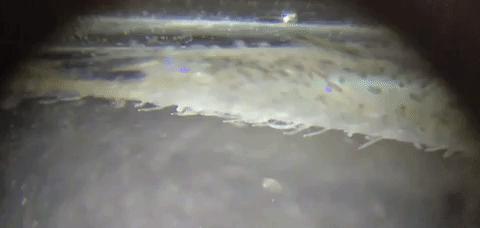
Avoiding infectious disease is a protective instinct in humans and animals but the instinct to socialize often wins the day
IMAGE

Credit: Jess Stephenson

PITTSBURGH–Staying away from those with contagious infections, no matter how lonely it gets, may not only be common sense, but a natural instinct. But that doesn’t mean humans or animals will automatically fall in line.

A study by Jessica Stephenson, head of Pitt’s Stephenson Lab of Disease Ecology and Evolutionary Parasitology, examines the behaviors of guppies when introduced to an environment where they are placed near members of their species with infectious diseases. In the study an empty tank was flanked by one that contained a group of three guppies that represented potential contagion risk. Many guppies preferred the tank near other guppies, as expected from a social species. But some male guppies strongly avoided the side of the tank near the other fish and these distancing guppies were later shown to be highly susceptible to worm infections.

Stephenson and coauthors revisited these findings in light of COVID-19 in the article “Emerging Infectious Disease and the Challenges of Social Distancing in Human and Non-Human Animals,” which published Aug. 12 in the Proceedings of the Royal Society of London, Series B.

Stephenson said human beings overall are “normal social animals in many of our behavioral response to infectious diseases” but benefits such as “global disease surveillance, rapid global communication and centralized governments with public health departments,” may be wasted if we choose our social instincts over the evolutionary instinct that tells us to stay away from areas of potential infection.

“That the vast majority of our species has largely squandered the potential payoffs of these benefits is again consistent with other social animals: the cost of social distancing itself can outweigh the cost of contracting the disease,” Stephenson said. “For some, no amount of Zoom and FaceTime can make up for the lost benefits of social interactions. These frustrating, if wholly natural, behavioral decisions will result in the persistence of COVID-19 until the advent of perhaps our greatest advantage over other species facing emerging infectious diseases: vaccination.”

###

Media Contact
Deborah Todd
[email protected]
Tags: BehaviorDevelopmental/Reproductive BiologyEvolutionInfectious/Emerging DiseasesMental HealthPopulation BiologyPublic HealthQuality of LifeScience/Health and the LawSocial/Behavioral Science
Share12Tweet8Share2ShareShareShare2

Related Posts

HIV-1 Strains Reveal Varied Paths to Antibody Escape — Biology

HIV-1 Strains Reveal Varied Paths to Antibody Escape

May 11, 2026
CRISPRi Screening Identifies Fungal-Specific Drug Targets — Biology

CRISPRi Screening Identifies Fungal-Specific Drug Targets

May 11, 2026

Transforming Jellyfish Bycatch into a Valuable Collagen Source for Cosmetics and Biotechnology

May 11, 2026

Ancient Plant Populations Reveal Fresh Insights into Climate Resilience

May 8, 2026
Please login to join discussion

POPULAR NEWS

  • Research Indicates Potential Connection Between Prenatal Medication Exposure and Elevated Autism Risk

    841 shares
    Share 336 Tweet 210
  • New Study Reveals Plants Can Detect the Sound of Rain

    728 shares
    Share 290 Tweet 182
  • Salmonella Haem Blocks Macrophages, Boosts Infection

    62 shares
    Share 25 Tweet 16
  • Breastmilk Balances E. coli and Beneficial Bacteria in Infant Gut Microbiomes

    57 shares
    Share 23 Tweet 14

About

We bring you the latest biotechnology news from best research centers and universities around the world. Check our website.

Follow us

Recent News

HIV-1 Strains Reveal Varied Paths to Antibody Escape

Rapid Nanopore Genomics Tracks Malaria Across Africa

Global City Growth Decouples from Fossil Fuels

Subscribe to Blog via Email

Success! An email was just sent to confirm your subscription. Please find the email now and click 'Confirm' to start subscribing.

Join 82 other subscribers
  • Contact Us

Bioengineer.org © Copyright 2023 All Rights Reserved.

Welcome Back!

Login to your account below

Forgotten Password?

Retrieve your password

Please enter your username or email address to reset your password.

Log In
No Result
View All Result
  • Homepages
    • Home Page 1
    • Home Page 2
  • News
  • National
  • Business
  • Health
  • Lifestyle
  • Science

Bioengineer.org © Copyright 2023 All Rights Reserved.