• HOME
  • NEWS
  • EXPLORE
    • CAREER
      • Companies
      • Jobs
    • EVENTS
    • iGEM
      • News
      • Team
    • PHOTOS
    • VIDEO
    • WIKI
  • BLOG
  • COMMUNITY
    • FACEBOOK
    • INSTAGRAM
    • TWITTER
Thursday, June 25, 2026
BIOENGINEER.ORG
No Result
View All Result
  • Login
  • HOME
  • NEWS
  • EXPLORE
    • CAREER
      • Companies
      • Jobs
        • Lecturer
        • PhD Studentship
        • Postdoc
        • Research Assistant
    • EVENTS
    • iGEM
      • News
      • Team
    • PHOTOS
    • VIDEO
    • WIKI
  • BLOG
  • COMMUNITY
    • FACEBOOK
    • INSTAGRAM
    • TWITTER
  • HOME
  • NEWS
  • EXPLORE
    • CAREER
      • Companies
      • Jobs
        • Lecturer
        • PhD Studentship
        • Postdoc
        • Research Assistant
    • EVENTS
    • iGEM
      • News
      • Team
    • PHOTOS
    • VIDEO
    • WIKI
  • BLOG
  • COMMUNITY
    • FACEBOOK
    • INSTAGRAM
    • TWITTER
No Result
View All Result
Bioengineer.org
No Result
View All Result
Home NEWS Science News Biology

Small but versatile

Bioengineer by Bioengineer
December 10, 2018
in Biology
Reading Time: 2 mins read
0
IMAGE
Share on FacebookShare on TwitterShare on LinkedinShare on RedditShare on Telegram

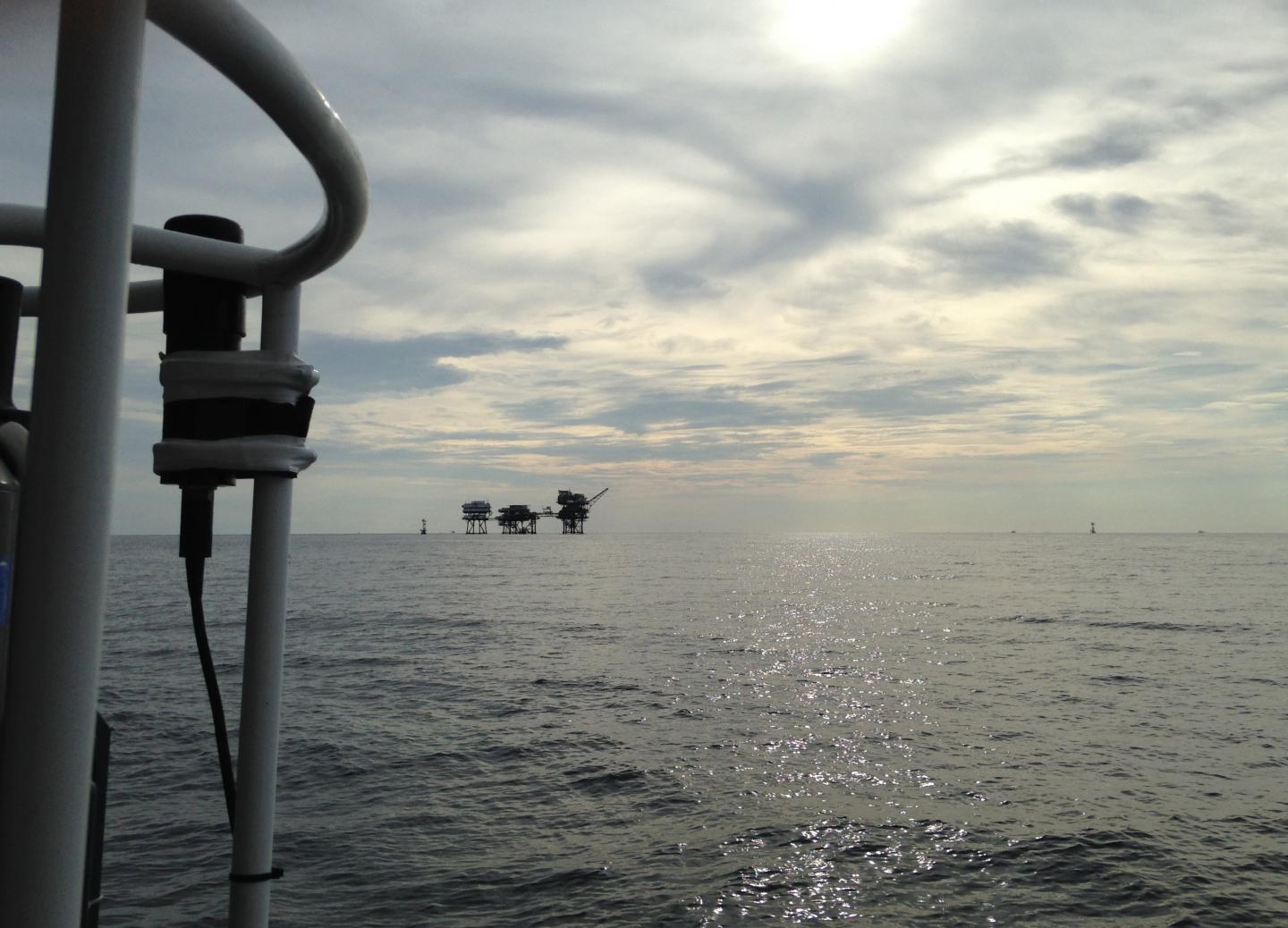
Key players in the marine nitrogen cycle can utilize cyanate and urea
IMAGE

Credit: © K. Kitzinger / Max Planck Institute for Marine Microbiology


The ammonia oxidizing archaea, or Thaumarchaeota, are amongst the most abundant marine microorganisms. Yet, we are still discovering which factors allow them to thrive in the ocean: A new publication reveals that marine Thaumarchaeota have a broader metabolism than previously thought.

The Thaumarchaeota play a key role in the marine nitrogen cycle. They gain energy for growth by converting ammonia, which is the most reduced form of inorganic nitrogen, to a more oxidized form: nitrite. These so-called ammonia oxidizing archaea were discovered little more than a decade ago, yet these organisms make up a large part of the marine microbial community, thriving in the oceans despite ammonium being present only at very low concentrations.

Even though the Thaumarchaeota are such a key part of the marine nitrogen cycle, little is known about the physiology of these small and enigmatic microorganisms. In general, they are considered to be metabolically restricted, relying on ammonia as an energy source. A new study by Katharina Kitzinger and colleagues from the Max Planck Institute for Marine Microbiology in Bremen, Germany, the University of Vienna, Austria, the Georgia Institute for Technology, USA, the Carl von Ossietzky University Oldenburg, Germany, and the University of Bremen, Germany, now reveals that this is not quite true. Rather, the authors show that marine ammonia oxidizing archaea can also utilize organic nitrogen sources. “We show for the first time that both environmental and cultured marine ammonia oxidizing archaea can use cyanate, a simple organic nitrogen compound, as an additional energy source”, Kitzinger explains. Further, they show these microorganisms also use that urea, another organic nitrogen compound.

These findings are important as cyanate and urea are common nitrogen and energy sources in the oceans. The Thaumarchaeota’s ability to supplement their metabolism with these compounds might be one reason for their outstanding success in the oceans.

Kitzinger is especially intrigued by how the marine ammonia oxidizing archaea are able to use cyanate. “We still aren’t sure exactly how they do it. They don’t have the typical enzyme repertoire needed to use cyanate. It will be exciting to see which enzymes allow marine ammonia oxidizing archaea to use cyanate, if these organisms have an even larger metabolic versatility than we know now, and how this versatility shapes their ecology”, says Kitzinger.

###

Media Contact
Katharina Kitzinger
[email protected]
49-421-202-8646

Original Source

https://medienportal.univie.ac.at/presse/aktuelle-pressemeldungen/detailansicht/artikel/small-but-versatile/

Related Journal Article

http://dx.doi.org/10.1038/s41564-018-0316-2

Tags: BiologyMarine/Freshwater BiologyMicrobiology
Share12Tweet8Share2ShareShareShare2

Related Posts

Natural Hallucinogens: Evolution’s Ecological Tools, Not Mere Chemical Byproducts

June 25, 2026

This Famous Butterfly Revealed: Three Distinct Species Hidden in One

June 25, 2026

Scientists Attack Soybean Cyst Nematode by Starving Its Food Source

June 25, 2026

Decoding the Secret Code of a Crucial Immune Sensor

June 24, 2026
Please login to join discussion

POPULAR NEWS

  • Saying Goodbye to PGY-6: Pediatric Fellowship Realities

    103 shares
    Share 41 Tweet 26
  • Multi-Hospital Study Reveals Long Covid Burden Is Twice as High as Current Estimates

    92 shares
    Share 36 Tweet 23
  • Detection of EDCs in Breast Milk and Infant Urine Up to Six Months Highlights Early Exposure Risks

    77 shares
    Share 31 Tweet 19
  • New Drug Candidate Developed at McMaster Shows Potential for Treating Brain Cancer

    58 shares
    Share 23 Tweet 15

About

We bring you the latest biotechnology news from best research centers and universities around the world. Check our website.

Follow us

Recent News

Tracking Lanthanide-Labeled Microplastics in Plants

POSTECH Researchers Slash Cost of Reconstituted Cell-Free Systems by 95%

AI and Physics Collaborate to Design Advanced Hydrogen Storage Materials

Subscribe to Blog via Email

Enter your email address to subscribe to this blog and receive notifications of new posts by email.

Join 82 other subscribers
  • Contact Us

Bioengineer.org © Copyright 2023 All Rights Reserved.

Welcome Back!

Login to your account below

Forgotten Password?

Retrieve your password

Please enter your username or email address to reset your password.

Log In
No Result
View All Result
  • Homepages
    • Home Page 1
    • Home Page 2
  • News
  • National
  • Business
  • Health
  • Lifestyle
  • Science

Bioengineer.org © Copyright 2023 All Rights Reserved.