

• HOME
  • NEWS
  • EXPLORE
    • CAREER
      • Companies
      • Jobs
    • EVENTS
    • iGEM
      • News
      • Team
    • PHOTOS
    • VIDEO
    • WIKI
  • BLOG
  • COMMUNITY
    • FACEBOOK
    • INSTAGRAM
    • TWITTER
Friday, May 22, 2026
BIOENGINEER.ORG
No Result
View All Result
  • Login
  • HOME
  • NEWS
  • EXPLORE
    • CAREER
      • Companies
      • Jobs
        • Lecturer
        • PhD Studentship
        • Postdoc
        • Research Assistant
    • EVENTS
    • iGEM
      • News
      • Team
    • PHOTOS
    • VIDEO
    • WIKI
  • BLOG
  • COMMUNITY
    • FACEBOOK
    • INSTAGRAM
    • TWITTER
  • HOME
  • NEWS
  • EXPLORE
    • CAREER
      • Companies
      • Jobs
        • Lecturer
        • PhD Studentship
        • Postdoc
        • Research Assistant
    • EVENTS
    • iGEM
      • News
      • Team
    • PHOTOS
    • VIDEO
    • WIKI
  • BLOG
  • COMMUNITY
    • FACEBOOK
    • INSTAGRAM
    • TWITTER
No Result
View All Result
Bioengineer.org
No Result
View All Result
Home NEWS Science News Biology

Sibling bonding is stronger when dad’s around

Bioengineer by Bioengineer
July 18, 2017
in Biology
Reading Time: 2 mins read
0
Share on FacebookShare on TwitterShare on LinkedinShare on RedditShare on Telegram
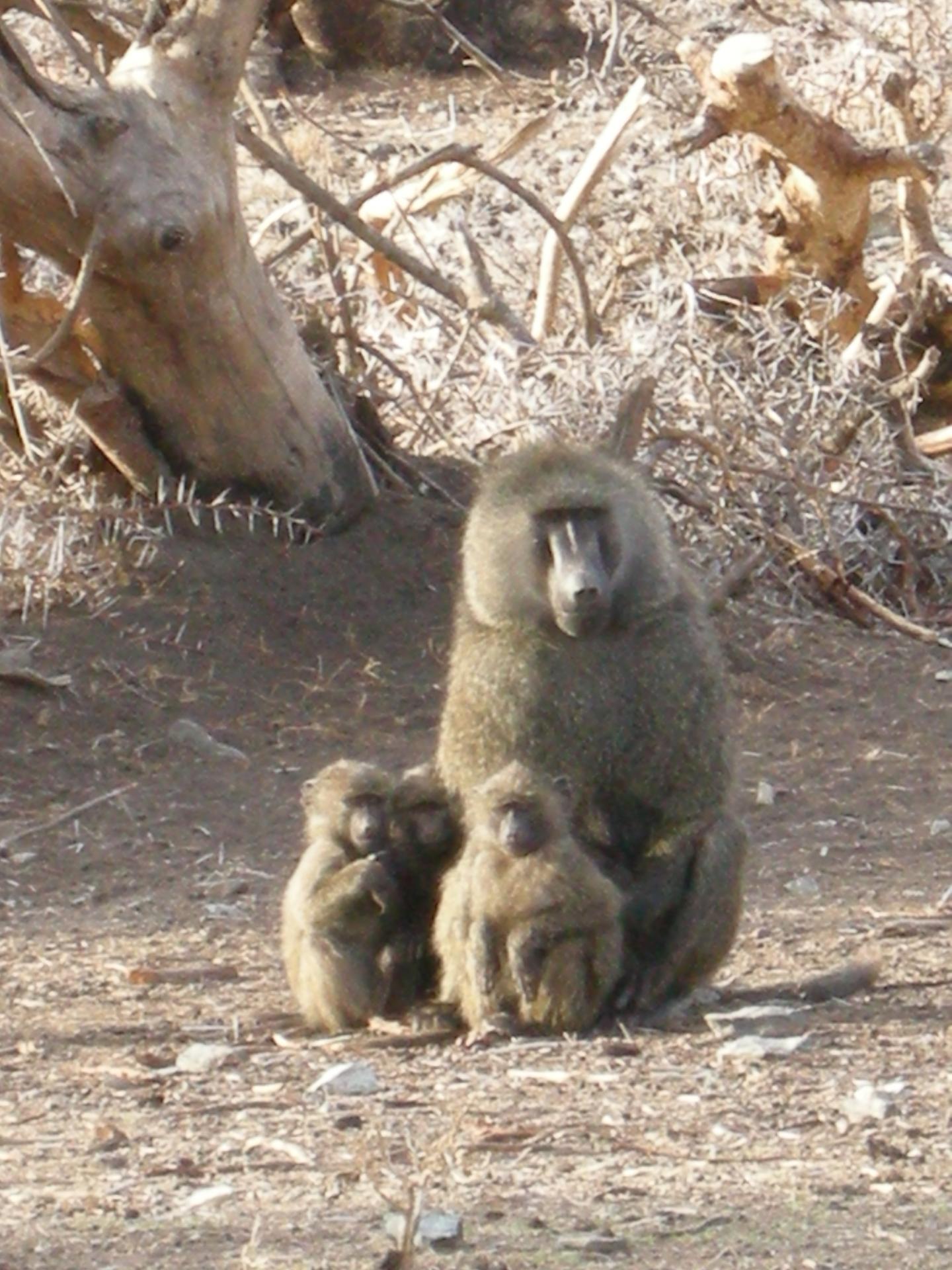
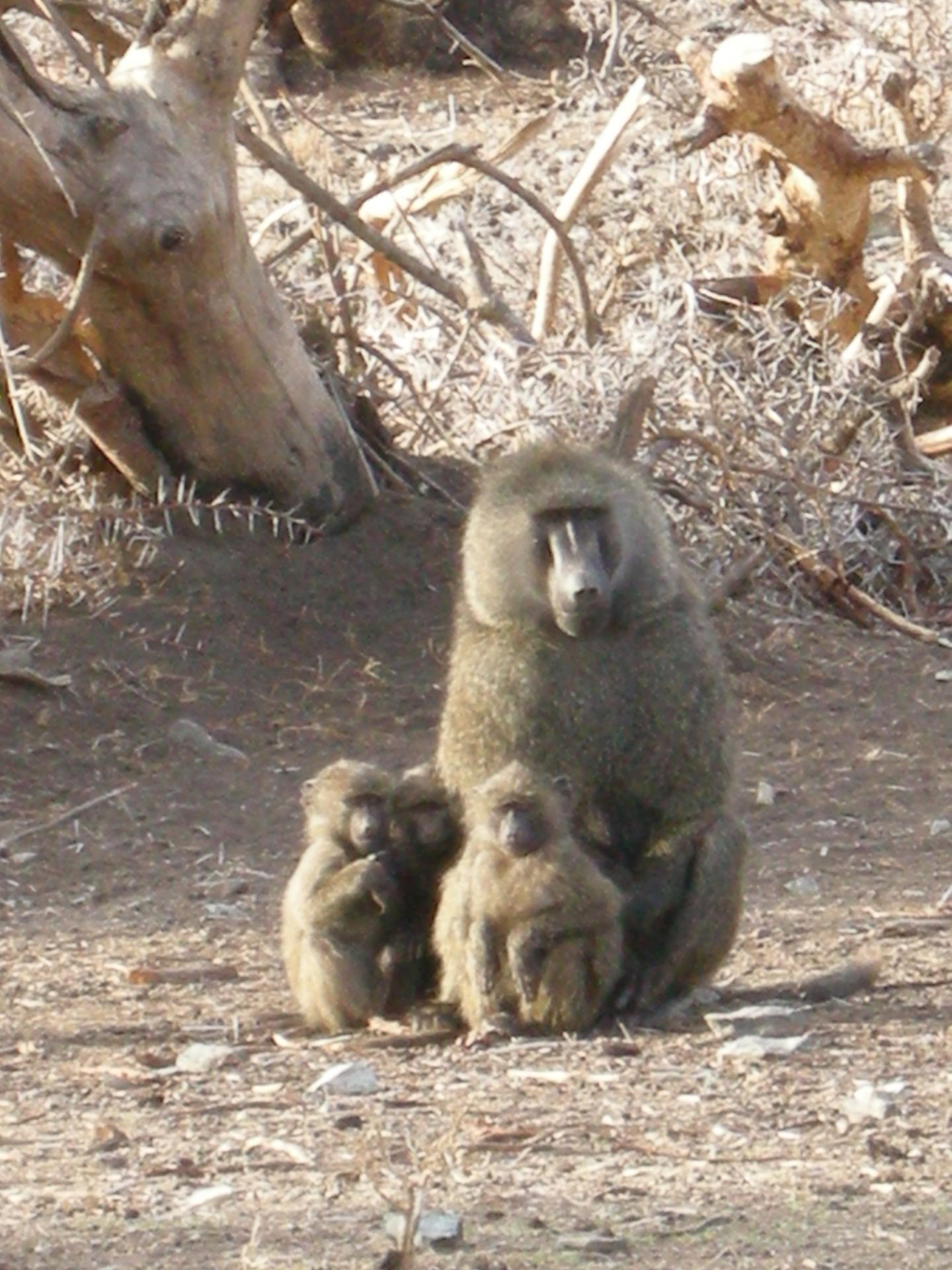
IMAGE

Credit: Emily C. Lynch, Project Papio, Rutgers, The State University of New Jersey

For many female mammals, mothers and maternal sisters dominate all aspects of an individual's social life. Emily Lynch of the University of Missouri, Columbia, in the US argues fathers might play a significant role, as well. She is the lead author of a study that highlights how social bonds develop between paternal half-siblings when their shared father is in the vicinity. Her findings are published in Springer's journal Behavioral Ecology and Sociobiology.

During their juvenile and adolescent years, primates acquire the skills they need to survive and to reproduce. This includes learning how to forage, avoid predators, and socialize with others. Kinship and family bonds that play an important part in the evolution of such social behavior have been studied widely in primate societies. Most of these studies have however focused on the interaction between maternal kin within close female-dominated primate groupings.

Lynch and her colleagues studied the movements and interactions of a group of 39 immature olive baboons (Papio hamadryas anubis) in the Laikipia district of Kenya for fourteen months. Half of the parents of the baboons in this group had been caught by leopards within a period of two months prior to data collection. This relatively rare occurrence allowed the researchers to examine possible differences in the social bonds and behavior of wild immature baboons that grow up with or without the influence of mothers and fathers. They noted, among others, aspects related to grooming. Fecal samples were also collected and were used as genetic samples to establish kinship.

The strongest bonds were found between young baboons who shared a mother, while the weakest relations were among those who were not related in any way. Notably, paternal half-siblings enjoyed bonds of intermediate strength. This bond only existed among immature olive baboons when their mutual father was around. His presence also increased the chances that his offspring would groom each other. When their fathers were present, young baboons had weaker relationships with maternal half-siblings than those without fathers.

"The presence of a father in a group facilitates the development of strong social bonds among his offspring," says Lynch, who believes that relationships with paternal kin may be just as critical to the social structure of an olive baboon group than those made up of maternal kin.

"Offspring may be able to 'recognize' one another through a shared association with their mother's male friend, who is the putative father," speculates Lynch. "This recognition may be driven through familiarity with a shared father or through some form of phenotype matching."

###

Reference: Lynch, E.C. et al (2017). Fathers enhance social bonds among paternal half-siblings in immature olive baboons (Papio hamadryas anubis), Behavioral Ecology and Sociobiology. DOI: 10.1007/s00265-017-2336-y

Media Contact

Melanie Lehnert
[email protected]
49-622-148-78122
@SpringerNature

http://www.springer.com

Original Source

http://www.springer.com/gp/about-springer/media/research-news/all-english-research-news/sibling-bonding-is-stronger-when-dad-s-around/13307828 http://dx.doi.org/10.1007/s00265-017-2336-y

Share12Tweet8Share2ShareShareShare2

Related Posts

Early Delivery Improves Outcomes for Mothers and Babies in Hypertensive Pregnancies — Biology

Early Delivery Improves Outcomes for Mothers and Babies in Hypertensive Pregnancies

May 21, 2026
How Atlantic Herring Rewired Their Reproductive Strategy to Thrive in Changing Oceans — Biology

How Atlantic Herring Rewired Their Reproductive Strategy to Thrive in Changing Oceans

May 20, 2026

Study Finds Young Fraser River Chinook Salmon Swimming in Chemical Mixture

May 20, 2026

Thousands of UK Beekeepers Contribute Honey to Advance Environmental Science

May 20, 2026
Please login to join discussion

POPULAR NEWS

  • blank

    New Study Reveals Plants Can Detect the Sound of Rain

    733 shares
    Share 292 Tweet 183
  • ESMO 2025: mRNA COVID Vaccines Enhance Efficacy of Cancer Immunotherapy

    304 shares
    Share 122 Tweet 76
  • Research Indicates Potential Connection Between Prenatal Medication Exposure and Elevated Autism Risk

    846 shares
    Share 338 Tweet 212
  • Breastmilk Balances E. coli and Beneficial Bacteria in Infant Gut Microbiomes

    58 shares
    Share 23 Tweet 15

About

We bring you the latest biotechnology news from best research centers and universities around the world. Check our website.

Follow us

Recent News

Innovative Reusable Brick Walls Revolutionize Construction Industry

Nonlinear Atomic Tunneling Enhanced by Bright Squeezed Vacuum

Label-Free Super-Resolution Imaging of Live Cells

Subscribe to Blog via Email

Success! An email was just sent to confirm your subscription. Please find the email now and click 'Confirm' to start subscribing.

Join 82 other subscribers
  • Contact Us

Bioengineer.org © Copyright 2023 All Rights Reserved.

Welcome Back!

Login to your account below

Forgotten Password?

Retrieve your password

Please enter your username or email address to reset your password.

Log In
No Result
View All Result
  • Homepages
    • Home Page 1
    • Home Page 2
  • News
  • National
  • Business
  • Health
  • Lifestyle
  • Science

Bioengineer.org © Copyright 2023 All Rights Reserved.