• HOME
  • NEWS
  • EXPLORE
    • CAREER
      • Companies
      • Jobs
    • EVENTS
    • iGEM
      • News
      • Team
    • PHOTOS
    • VIDEO
    • WIKI
  • BLOG
  • COMMUNITY
    • FACEBOOK
    • INSTAGRAM
    • TWITTER
Sunday, May 17, 2026
BIOENGINEER.ORG
No Result
View All Result
  • Login
  • HOME
  • NEWS
  • EXPLORE
    • CAREER
      • Companies
      • Jobs
        • Lecturer
        • PhD Studentship
        • Postdoc
        • Research Assistant
    • EVENTS
    • iGEM
      • News
      • Team
    • PHOTOS
    • VIDEO
    • WIKI
  • BLOG
  • COMMUNITY
    • FACEBOOK
    • INSTAGRAM
    • TWITTER
  • HOME
  • NEWS
  • EXPLORE
    • CAREER
      • Companies
      • Jobs
        • Lecturer
        • PhD Studentship
        • Postdoc
        • Research Assistant
    • EVENTS
    • iGEM
      • News
      • Team
    • PHOTOS
    • VIDEO
    • WIKI
  • BLOG
  • COMMUNITY
    • FACEBOOK
    • INSTAGRAM
    • TWITTER
No Result
View All Result
Bioengineer.org
No Result
View All Result
Home NEWS Science News Biology

Shifting the balance of growth vs. defense boosts crop yield

Bioengineer by Bioengineer
December 17, 2019
in Biology
Reading Time: 2 mins read
0
IMAGE
Share on FacebookShare on TwitterShare on LinkedinShare on RedditShare on Telegram

IMAGE

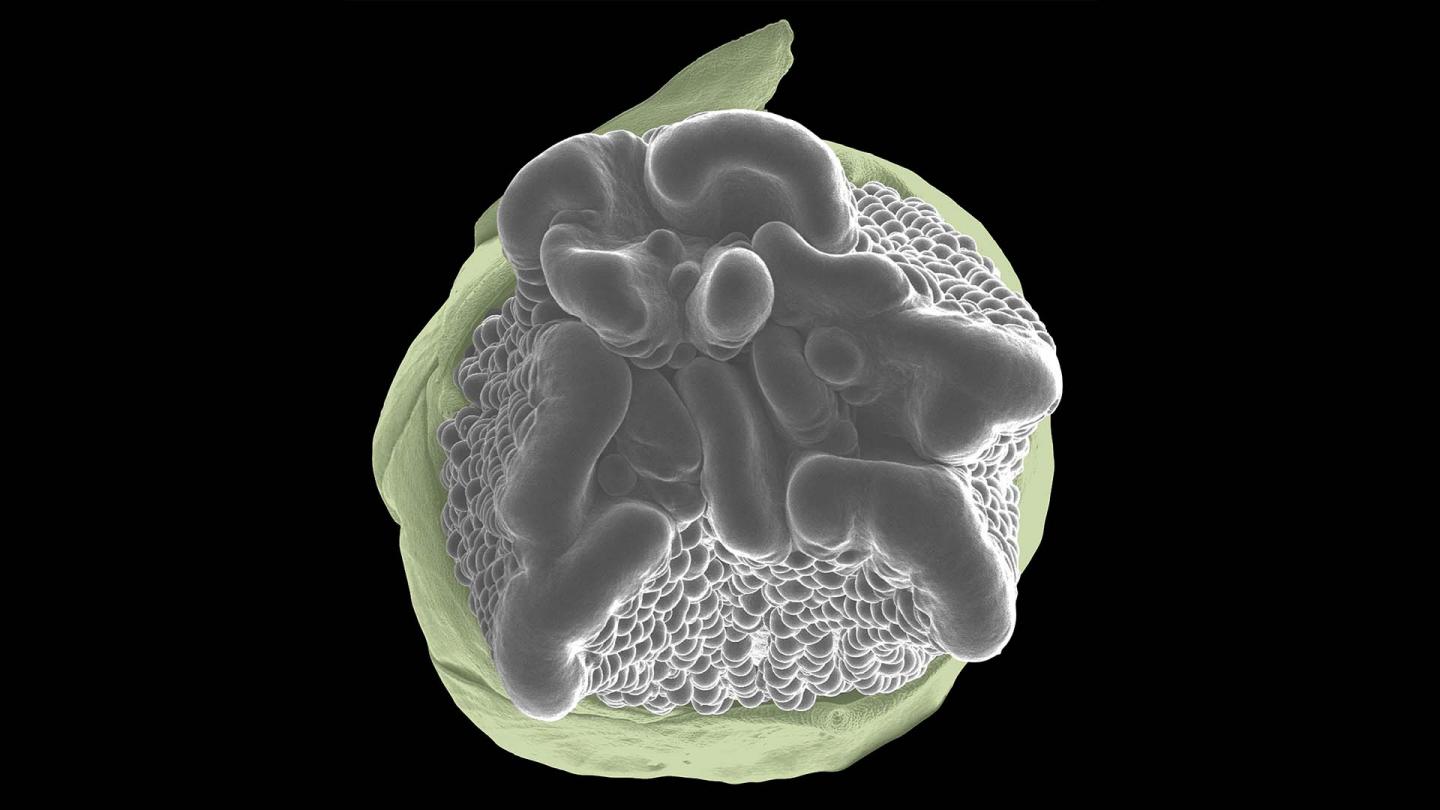
Credit: Jackson lab/CSHL, 2019


Cold Spring Harbor Laboratory (CSHL) scientists are figuring out how to pack more kernels onto a corn cob. One way to boost the productivity of a plant, they say, is to redirect some of its resources away from maintaining an overprepared immune system and into enhanced seed production. Now, a team led by CSHL Professor David Jackson has found a gene that could help them tweak that balance.

To flourish in the wild, plants must be constantly on guard. With an unpredictable array of bacteria, fungi, and viruses lurking in the soil and air, a plant must maintain a robust immune system that is ready to counter any attack. This vigilance comes at a cost: Energy spent on pathogen defense cannot be used to grow taller or produce seeds. But the trade-off is crucial.

For crop plants, however, the situation is different. Corn growing in a farmer’s carefully tended field faces fewer threats than the same plant might encounter on an untamed prairie. In this controlled environment, plants could probably ease up on their anti-pathogen protections–but getting them to do so will require some genetic tinkering.

“If we can convince the plants that they don’t have to spend a lot of energy on defense, they can put more energy into making seeds,” Jackson says.

In work reported in the Proceedings of the National Academy of Sciences, Jackson and his team have identified a gene in corn that contributes to both the plant’s development and to the control of its immune system. Manipulating this gene, they say, could be a way to increase crop yields by reprogramming how a plant balances its investments in growth and defense.

Corn plants cannot survive without the gene, which is called Gß (pronounced GEE beta) and encodes part of an essential signaling complex. Seedlings engineered to lack Gß quickly turn brown and die, which postdoctoral fellows Qingyu Wu and Fang Xu determined was because the plant needs the gene to keep its immune system in check. Without it, an overactive immune system attacks the plant’s own cells.

By experimenting with dozens of genetically diverse lines of corn, Wu and Xu found that within the right genetic context, plants can grow without Gß. By studying these plants, they discovered that Gß also impacts the size of a plant’s meristems, reservoirs of stem cells from which new growth originates. What’s more, the team linked naturally occurring variations in the Gß gene to the production of corn ears with unusually abundant kernels.

Jackson says his team’s findings indicate not only that Gß is involved in both growth and immunity, but that it likely mediates crosstalk between the cellular pathways that control these competing functions. The researchers are already digging deeper into those interactions, with the hope that they will be key to developing higher-yield crops.

###

Media Contact
Sara Roncero-Menendez
[email protected]
516-367-6866

Tags: Agricultural Production/EconomicsAgricultureBiologyFood/Food ScienceGenesGeneticsPlant Sciences
Share12Tweet8Share2ShareShareShare2

Related Posts

Uncovering C. elegans Immunity via Genetic Screens — Biology

Uncovering C. elegans Immunity via Genetic Screens

May 16, 2026
Single mother must adapt swiftly — the survival of her colony depends on it — Biology

Single mother must adapt swiftly — the survival of her colony depends on it

May 15, 2026

Why Are Nearly Everyone Right-Handed? It Might Be Linked to How We Learned to Walk

May 15, 2026

Excessive Neuronal Activity Initiates Severe Autoimmune Brain Disorder

May 15, 2026
Please login to join discussion

POPULAR NEWS

  • Research Indicates Potential Connection Between Prenatal Medication Exposure and Elevated Autism Risk

    844 shares
    Share 338 Tweet 211
  • New Study Reveals Plants Can Detect the Sound of Rain

    730 shares
    Share 291 Tweet 182
  • Salmonella Haem Blocks Macrophages, Boosts Infection

    62 shares
    Share 25 Tweet 16
  • Breastmilk Balances E. coli and Beneficial Bacteria in Infant Gut Microbiomes

    58 shares
    Share 23 Tweet 15

About

We bring you the latest biotechnology news from best research centers and universities around the world. Check our website.

Follow us

Recent News

Cerebellar Growth Links Brain Maturation and Language

Flexible Framework Optimizes Data Center Site Planning

Short-Term Home Cognitive & Physical Training Tested in Seniors

Subscribe to Blog via Email

Enter your email address to subscribe to this blog and receive notifications of new posts by email.

Join 82 other subscribers
  • Contact Us

Bioengineer.org © Copyright 2023 All Rights Reserved.

Welcome Back!

Login to your account below

Forgotten Password?

Retrieve your password

Please enter your username or email address to reset your password.

Log In
No Result
View All Result
  • Homepages
    • Home Page 1
    • Home Page 2
  • News
  • National
  • Business
  • Health
  • Lifestyle
  • Science

Bioengineer.org © Copyright 2023 All Rights Reserved.