• HOME
  • NEWS
  • EXPLORE
    • CAREER
      • Companies
      • Jobs
    • EVENTS
    • iGEM
      • News
      • Team
    • PHOTOS
    • VIDEO
    • WIKI
  • BLOG
  • COMMUNITY
    • FACEBOOK
    • INSTAGRAM
    • TWITTER
Saturday, February 7, 2026
BIOENGINEER.ORG
No Result
View All Result
  • Login
  • HOME
  • NEWS
  • EXPLORE
    • CAREER
      • Companies
      • Jobs
        • Lecturer
        • PhD Studentship
        • Postdoc
        • Research Assistant
    • EVENTS
    • iGEM
      • News
      • Team
    • PHOTOS
    • VIDEO
    • WIKI
  • BLOG
  • COMMUNITY
    • FACEBOOK
    • INSTAGRAM
    • TWITTER
  • HOME
  • NEWS
  • EXPLORE
    • CAREER
      • Companies
      • Jobs
        • Lecturer
        • PhD Studentship
        • Postdoc
        • Research Assistant
    • EVENTS
    • iGEM
      • News
      • Team
    • PHOTOS
    • VIDEO
    • WIKI
  • BLOG
  • COMMUNITY
    • FACEBOOK
    • INSTAGRAM
    • TWITTER
No Result
View All Result
Bioengineer.org
No Result
View All Result
Home NEWS Science News

Sharing extra spots could ease West End parking woes

Bioengineer by Bioengineer
March 2, 2017
in Science News
Reading Time: 2 mins read
0
Share on FacebookShare on TwitterShare on LinkedinShare on RedditShare on Telegram
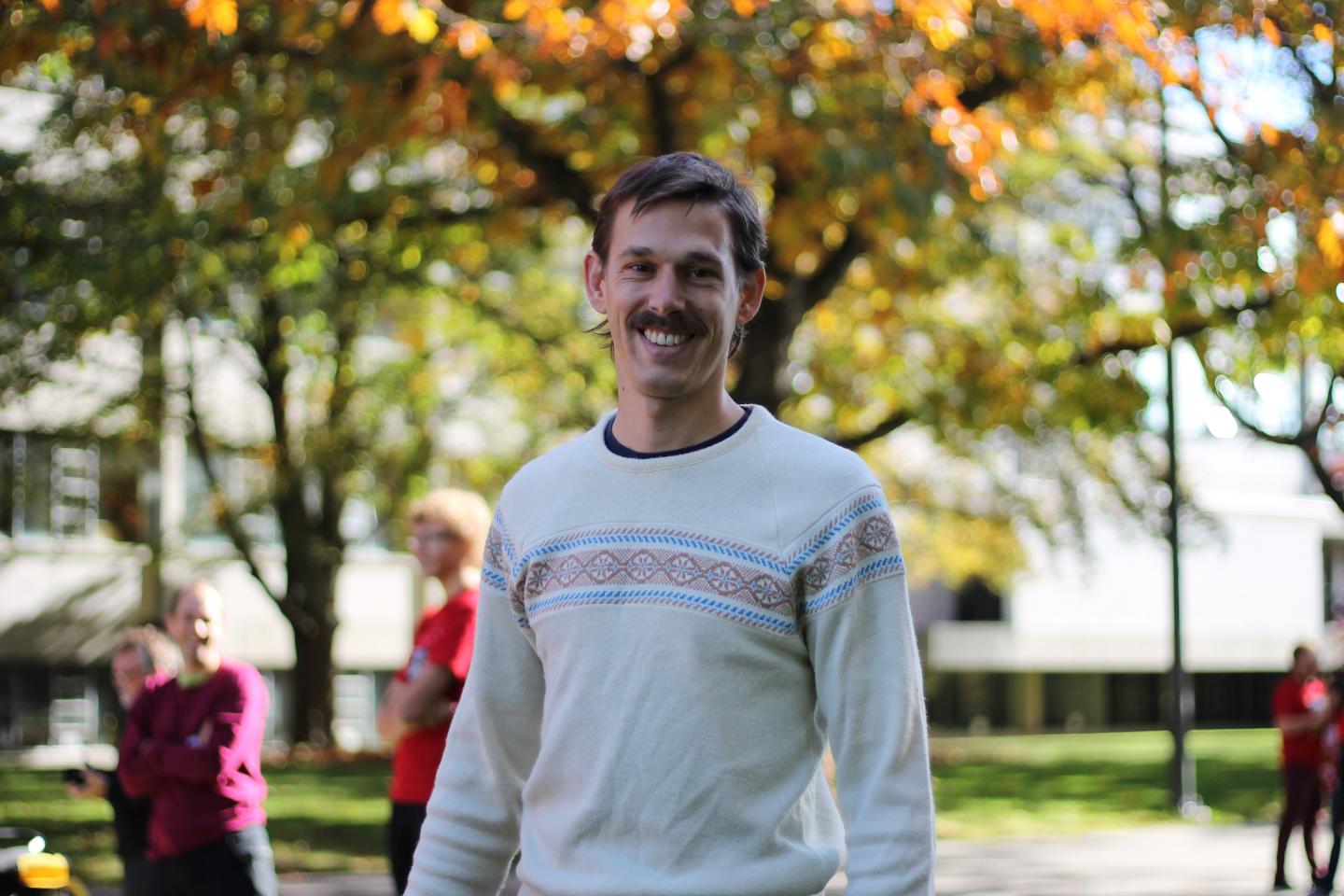
IMAGE

Credit: University of British Columbia

Renting out unused residential parking could be the answer to chronic parking shortages in Vancouver's West End, according to a new University of British Columbia study that compared residential parking stalls with building occupancy in the neighbourhood.

"We found that 46 of the area's 600-plus residential properties have at least 3,700 vacant parking stalls between them. If we relocate cars to use that excess capacity and charge for short-term parking, you'd have enough parking for everyone," said study author Neal Abbott, a Seattle-area transportation planner who conducted the work for his master's program at UBC's school of community and regional planning.

The West End–situated between West Georgia Street, Burrard Street, Stanley Park and English Bay — is one of Vancouver's highest-density neighbourhoods. The city estimates that during busy periods, it takes residents around five minutes and more than one kilometre of extra driving to find a parking spot. For visitors who are less familiar with the area, it takes them around 10 minutes and almost three extra kilometres.

Yet researchers say there's actually more than enough parking to go around, thanks to the high parking requirements imposed by the city in the 1970s through the 1990s, when many West End buildings were constructed. Many of the properties they analyzed had 50 or more parking stalls sitting empty, particularly during work hours.

"Research and policies over the past 20-plus years tell us that overly abundant parking encourages car dependence, increases the construction costs for new buildings, and limits land supply," said Alex Bigazzi, a professor in UBC's department of civil engineering and school of community and regional planning who supervised the study. "A shared parking program would release parking spots without forcing developers or the city to add to parking supply."

The researchers said that it would be fairly easy to convert many off-street stalls through signage without creating parking congestion in the buildings or a lot of site modifications.

"City planners would need to examine the business case and legal requirements for conversion, but ultimately, parking shortages negatively impact residents' quality of life," said Abbott, whose study was also part of Vancouver's Greenest City Scholars program.

###

The paper was presented at the annual meeting of the Transportation Research Board in early January. Click here to download a copy.

Media Contact

Lou Bosshart
[email protected]
604-999-0473
@UBCnews

http://www.ubc.ca

############

Story Source: Materials provided by Scienmag

Share12Tweet8Share2ShareShareShare2

Related Posts

Palmitoylation of Tfr1 Drives Platelet Ferroptosis and Exacerbates Liver Damage in Heat Stroke

February 7, 2026

Oxygen-Enhanced Dual-Section Microneedle Patch Improves Drug Delivery and Boosts Photodynamic and Anti-Inflammatory Treatment for Psoriasis

February 7, 2026

Scientists Identify SARS-CoV-2 PLpro and RIPK1 Inhibitors Showing Potent Synergistic Antiviral Effects in Mouse COVID-19 Model

February 7, 2026

Neg-Entropy: The Key Therapeutic Target for Chronic Diseases

February 7, 2026
Please login to join discussion

POPULAR NEWS

  • Robotic Ureteral Reconstruction: A Novel Approach

    Robotic Ureteral Reconstruction: A Novel Approach

    82 shares
    Share 33 Tweet 21
  • Digital Privacy: Health Data Control in Incarceration

    63 shares
    Share 25 Tweet 16
  • Study Reveals Lipid Accumulation in ME/CFS Cells

    57 shares
    Share 23 Tweet 14
  • Breakthrough in RNA Research Accelerates Medical Innovations Timeline

    53 shares
    Share 21 Tweet 13

About

We bring you the latest biotechnology news from best research centers and universities around the world. Check our website.

Follow us

Recent News

Palmitoylation of Tfr1 Drives Platelet Ferroptosis and Exacerbates Liver Damage in Heat Stroke

Oxygen-Enhanced Dual-Section Microneedle Patch Improves Drug Delivery and Boosts Photodynamic and Anti-Inflammatory Treatment for Psoriasis

Scientists Identify SARS-CoV-2 PLpro and RIPK1 Inhibitors Showing Potent Synergistic Antiviral Effects in Mouse COVID-19 Model

Subscribe to Blog via Email

Enter your email address to subscribe to this blog and receive notifications of new posts by email.

Join 73 other subscribers
  • Contact Us

Bioengineer.org © Copyright 2023 All Rights Reserved.

Welcome Back!

Login to your account below

Forgotten Password?

Retrieve your password

Please enter your username or email address to reset your password.

Log In
No Result
View All Result
  • Homepages
    • Home Page 1
    • Home Page 2
  • News
  • National
  • Business
  • Health
  • Lifestyle
  • Science

Bioengineer.org © Copyright 2023 All Rights Reserved.