• HOME
  • NEWS
  • EXPLORE
    • CAREER
      • Companies
      • Jobs
    • EVENTS
    • iGEM
      • News
      • Team
    • PHOTOS
    • VIDEO
    • WIKI
  • BLOG
  • COMMUNITY
    • FACEBOOK
    • INSTAGRAM
    • TWITTER
Tuesday, July 28, 2026
BIOENGINEER.ORG
No Result
View All Result
  • Login
  • HOME
  • NEWS
  • EXPLORE
    • CAREER
      • Companies
      • Jobs
        • Lecturer
        • PhD Studentship
        • Postdoc
        • Research Assistant
    • EVENTS
    • iGEM
      • News
      • Team
    • PHOTOS
    • VIDEO
    • WIKI
  • BLOG
  • COMMUNITY
    • FACEBOOK
    • INSTAGRAM
    • TWITTER
  • HOME
  • NEWS
  • EXPLORE
    • CAREER
      • Companies
      • Jobs
        • Lecturer
        • PhD Studentship
        • Postdoc
        • Research Assistant
    • EVENTS
    • iGEM
      • News
      • Team
    • PHOTOS
    • VIDEO
    • WIKI
  • BLOG
  • COMMUNITY
    • FACEBOOK
    • INSTAGRAM
    • TWITTER
No Result
View All Result
Bioengineer.org
No Result
View All Result
Home NEWS Science News Biology

Seven years later: BP oil spill settlement funding new way to manage fish populations

Bioengineer by Bioengineer
February 13, 2018
in Biology
Reading Time: 2 mins read
0
Share on FacebookShare on TwitterShare on LinkedinShare on RedditShare on Telegram
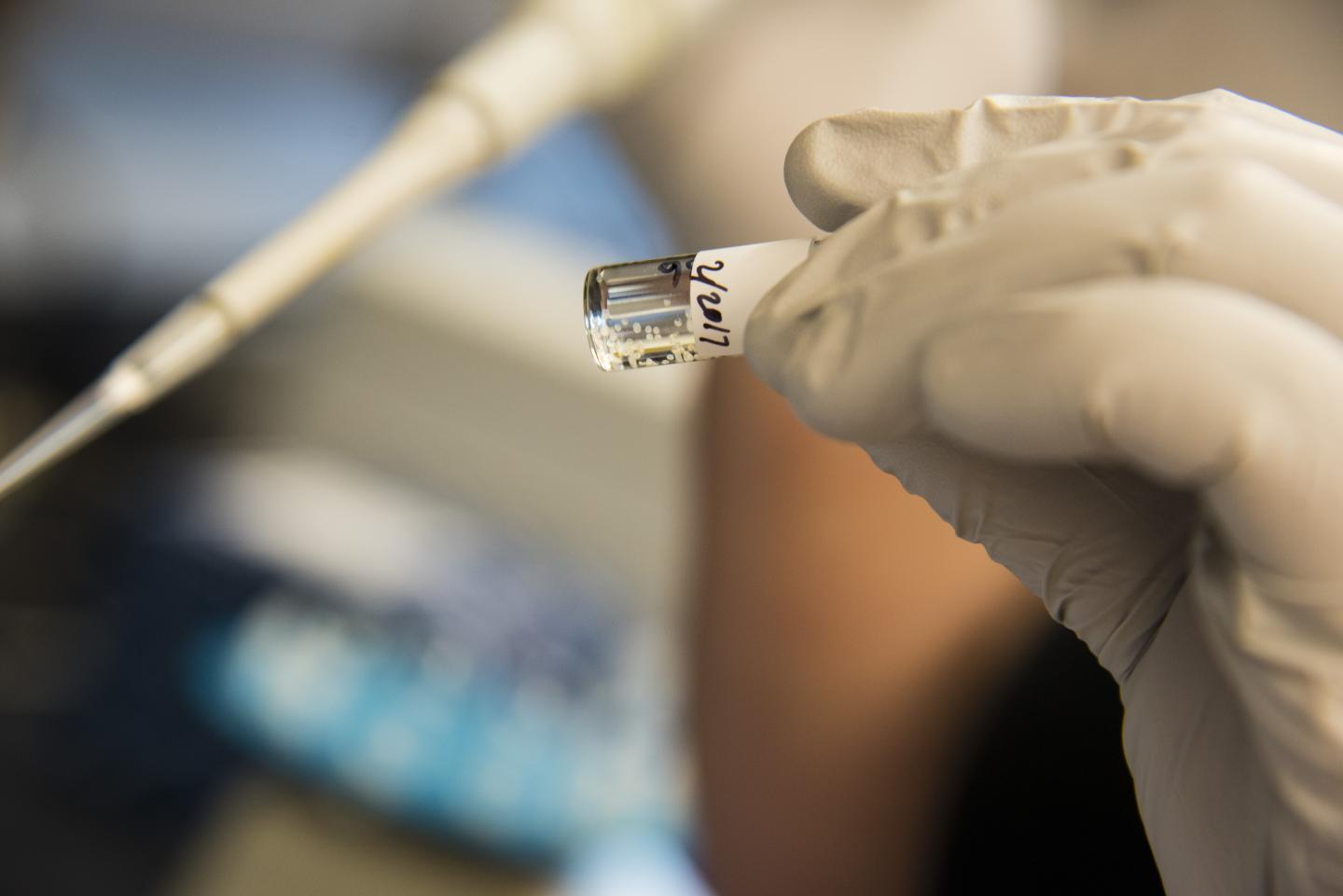
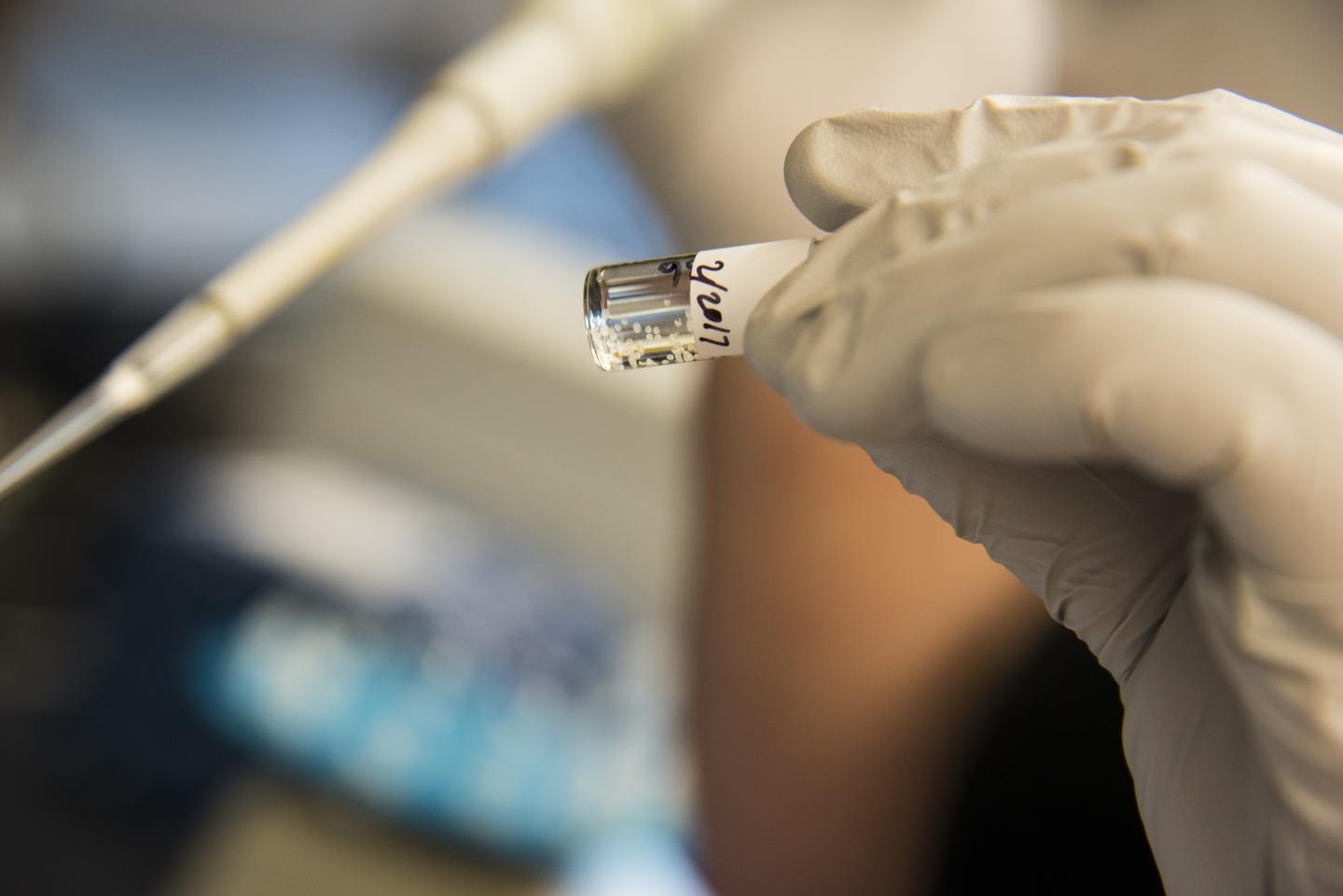
IMAGE

Credit: University of South Florida photographer Ryan Noone

ST. PETERSBURG, FL (April 19, 2017)- More than 30,000 fish species exist. But it's always been a guessing game on where they originate. A new technique developed by researchers at the University of South Florida College of Marine Science is paving the way in discovering where a wide-range of species spawn. It's a difficult task as 95% of fish in the world release their eggs into the water and drift away.

Marine biologists are gathering samples of hundreds of free-floating fish eggs in the Gulf of Mexico. They then extract DNA from each one and amplify and sequence a specific barcoding gene. That gene is then compared to a database, revealing the fish's identity. Previous studies have looked for eggs belonging to a specific fish species. This work is groundbreaking as it determines the complete composition of fish egg communities, which could contain more than a dozen species.

"This is pioneering work. They can be underneath everyone's noses for decades and no one would know it, they just get called fish eggs they have no idea what species they are," says co-lead investigator Ernst Peebles.

Since the fish eggs are only a few hours old, this technique allows researchers to assign spawning locations with certainty, as opposed to methods of looking for older larvae which could have been floating in the ocean for weeks or even months. Identifying spawning sites will enable better management and protection of critical habitats for economically and ecologically important fish species in the Gulf of Mexico.

This innovative research is a positive outcome from the tragic Deepwater Horizon oil spill. It's funded by the RESTORE Act, an acronym for Resources and Ecosystems Sustainability, Tourist Opportunities and Revived Economies of the Gulf Coast States. In addition to the 2-year pilot study, USF researchers are competing to win funds for an additional 15 years of monitoring and special studies.

The results could provide an essential baseline of fish spawning habitats in the Gulf of Mexico, which is critical knowledge should another disaster occur.

###

Media Contact

Tina Meketa
[email protected]
813-955-2593

http://www.hsc.usf.edu

Share13Tweet8Share2ShareShareShare2

Related Posts

How the body’s natural recycling system may reduce inflammation

How the body’s natural recycling system may reduce inflammation

July 28, 2026
Bubble streams help sperm whales sleep deeply underwater

Bubble streams help sperm whales sleep deeply underwater

July 28, 2026

Chitosan Hydrogel Stabilizes Red Blood Cell Membranes for Environmental Sensors

July 28, 2026

Nagoya Institute Scientists Identify Molecular Basis of Red-Green Color Vision

July 28, 2026
Please login to join discussion

POPULAR NEWS

  • Study finds how sleep strengthens memory, and epilepsy disrupts the process

    29 shares
    Share 12 Tweet 7
  • Enzyme discovery may help clear deadly zombie cells from human tissues

    29 shares
    Share 12 Tweet 7
  • Study Warns of Hidden Sleep Crisis Among Workers Over 50

    29 shares
    Share 12 Tweet 7
  • Survey Reveals Gaps in Fungal Diagnostics and Antifungal Access in Latin America

    29 shares
    Share 12 Tweet 7

About

We bring you the latest biotechnology news from best research centers and universities around the world. Check our website.

Follow us

Recent News

Study finds how sleep strengthens memory, and epilepsy disrupts the process

Enzyme discovery may help clear deadly zombie cells from human tissues

Study Warns of Hidden Sleep Crisis Among Workers Over 50

Subscribe to Blog via Email

Enter your email address to subscribe to this blog and receive notifications of new posts by email.

Join 85 other subscribers
  • Contact Us

Bioengineer.org © Copyright 2023 All Rights Reserved.

Welcome Back!

Login to your account below

Forgotten Password?

Retrieve your password

Please enter your username or email address to reset your password.

Log In
No Result
View All Result
  • Homepages
    • Home Page 1
    • Home Page 2
  • News
  • National
  • Business
  • Health
  • Lifestyle
  • Science

Bioengineer.org © Copyright 2023 All Rights Reserved.