• HOME
  • NEWS
  • EXPLORE
    • CAREER
      • Companies
      • Jobs
    • EVENTS
    • iGEM
      • News
      • Team
    • PHOTOS
    • VIDEO
    • WIKI
  • BLOG
  • COMMUNITY
    • FACEBOOK
    • INSTAGRAM
    • TWITTER
Wednesday, May 13, 2026
BIOENGINEER.ORG
No Result
View All Result
  • Login
  • HOME
  • NEWS
  • EXPLORE
    • CAREER
      • Companies
      • Jobs
        • Lecturer
        • PhD Studentship
        • Postdoc
        • Research Assistant
    • EVENTS
    • iGEM
      • News
      • Team
    • PHOTOS
    • VIDEO
    • WIKI
  • BLOG
  • COMMUNITY
    • FACEBOOK
    • INSTAGRAM
    • TWITTER
  • HOME
  • NEWS
  • EXPLORE
    • CAREER
      • Companies
      • Jobs
        • Lecturer
        • PhD Studentship
        • Postdoc
        • Research Assistant
    • EVENTS
    • iGEM
      • News
      • Team
    • PHOTOS
    • VIDEO
    • WIKI
  • BLOG
  • COMMUNITY
    • FACEBOOK
    • INSTAGRAM
    • TWITTER
No Result
View All Result
Bioengineer.org
No Result
View All Result
Home NEWS Science News Biology

Sediment from fishing choking out sea sponges, study shows

Bioengineer by Bioengineer
June 7, 2019
in Biology
Reading Time: 2 mins read
0
IMAGE
Share on FacebookShare on TwitterShare on LinkedinShare on RedditShare on Telegram

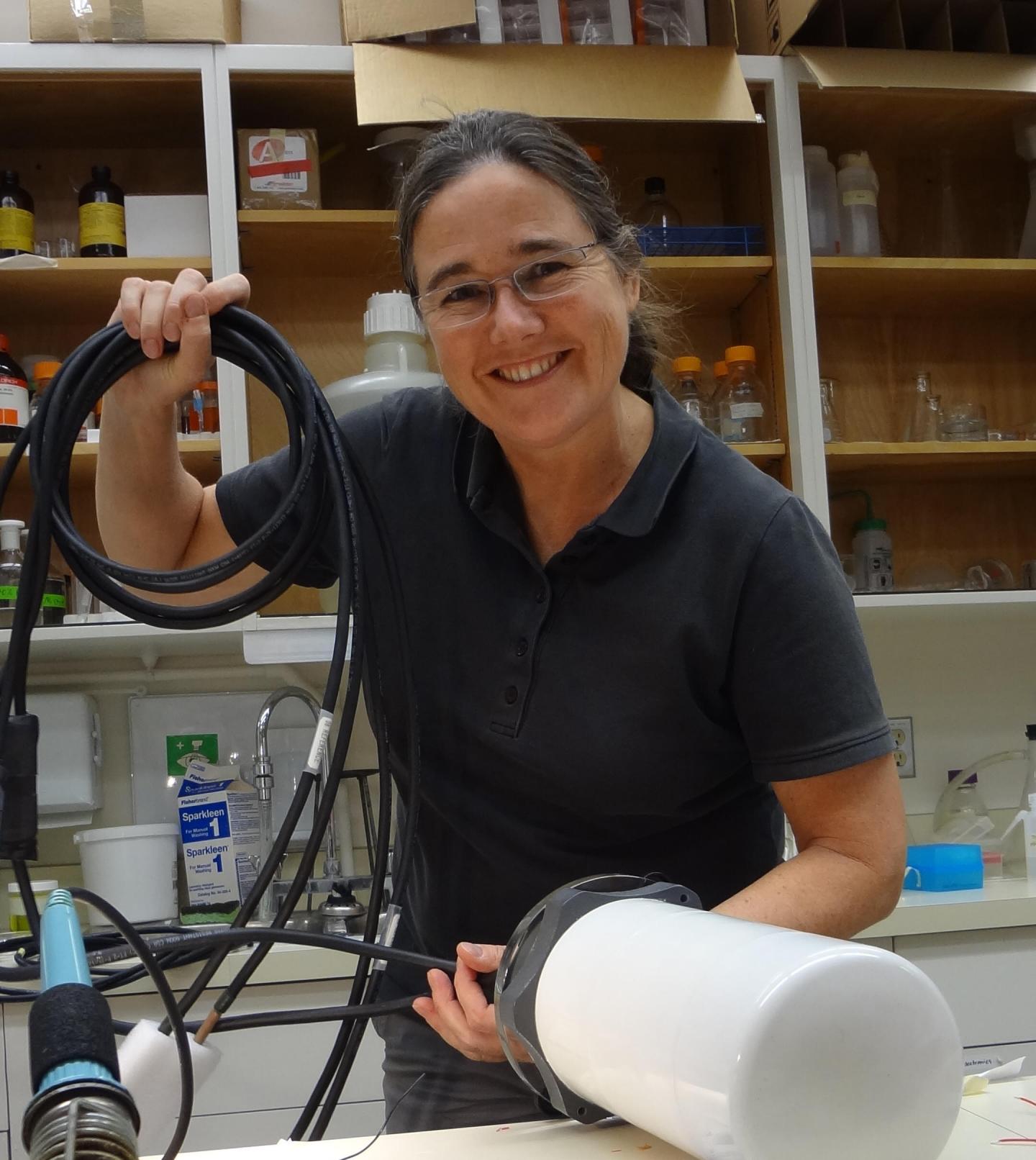
New research shows sediment stirred up by human activity is clogging glass sea sponges on Canada’s west coast
IMAGE

Credit: John Ulan

Sediment stirred up from fishing activity has a negative effect on reef-building sea sponges in northern British Columbia, according to a new study by University of Alberta biologists.

The sediment is kicked up during human activities such as bottom trawling, where a weighted net is dragged across the seafloor. It includes organic matter as well as clay and silt, which can smother sponges from the outside or, if taken into their filtration system, can clog them.

“If sponges are clogged, they can die, and if sponges die, then the other animals that use the sponges as homes or as food are in trouble as well,” said Sally Leys, professor in the Department of Biological Sciences and co-author on the paper. “The finer the particle, the worse for the sponge. Even a week of not filtering could mean the death of the reef.”

A critical component of ocean health

A critical part of the marine ecosystem, sponges act as a filtration system for the sea, consuming bacteria and returning nutrients to the waters that help to sustain plankton and fish populations. The sponges also provide habitat in the form of reefs, which provide homes to countless marine organisms.

In this study, the research team examined three species of sponge in the Hecate Strait and Queen Charlotte Sound glass sponge reefs off of the coast of British Columbia. Their results show a negative effect on sponge filtration caused by sediment.

“Sensitive areas, especially those with filter-feeding animals, need a buffer zone that is large enough to prevent the transit of suspended sediments over the animals,” says Leys. “We provide a model that shows what the size the boundary or buffer zone around a region of filter feeders needs to be in order to safeguard the animals.”

###

This research was conducted in collaboration with Fisheries and Oceans Canada. The paper, “Effect of suspended sediments on the pumping rates of three species of glass sponge in situ,” is published in Marine Ecology Progress Series (doi: 10.3354/meps12939).

Media Contact
Katie Willis
[email protected]

Original Source

https://www.ualberta.ca/science/science-news/2019/june/sea-sponges-sediment-fishing

Related Journal Article

http://dx.doi.org/10.3354/meps12939

Tags: BiologyEcology/EnvironmentMarine/Freshwater BiologyPollution/RemediationPopulation Biology
Share13Tweet8Share2ShareShareShare2

Related Posts

Cutting-Edge Genomic Techniques Reveal Unexpected Cellular Changes in the Aging Brain — Biology

Cutting-Edge Genomic Techniques Reveal Unexpected Cellular Changes in the Aging Brain

May 12, 2026
USC Researchers Initiate Study on the Most Advanced Lab-Grown Kidney Structures — Biology

USC Researchers Initiate Study on the Most Advanced Lab-Grown Kidney Structures

May 12, 2026

Childbirth in Humans Is Not Uniquely Challenging Among Mammals, New Research Shows

May 12, 2026

From Complexity to Clarity: Unraveling the “Topological Laws” Governing Cell Death

May 11, 2026
Please login to join discussion

POPULAR NEWS

  • Research Indicates Potential Connection Between Prenatal Medication Exposure and Elevated Autism Risk

    842 shares
    Share 337 Tweet 211
  • New Study Reveals Plants Can Detect the Sound of Rain

    728 shares
    Share 290 Tweet 182
  • Salmonella Haem Blocks Macrophages, Boosts Infection

    62 shares
    Share 25 Tweet 16
  • Breastmilk Balances E. coli and Beneficial Bacteria in Infant Gut Microbiomes

    57 shares
    Share 23 Tweet 14

About

We bring you the latest biotechnology news from best research centers and universities around the world. Check our website.

Follow us

Recent News

Adults Born Preterm Have Smaller Coronary Arteries

Erin Roby Shares ECI Science Journey Insights

Immunogenetics Advances Personalised Psoriasis Diagnosis, Treatment

Subscribe to Blog via Email

Enter your email address to subscribe to this blog and receive notifications of new posts by email.

Join 82 other subscribers
  • Contact Us

Bioengineer.org © Copyright 2023 All Rights Reserved.

Welcome Back!

Login to your account below

Forgotten Password?

Retrieve your password

Please enter your username or email address to reset your password.

Log In
No Result
View All Result
  • Homepages
    • Home Page 1
    • Home Page 2
  • News
  • National
  • Business
  • Health
  • Lifestyle
  • Science

Bioengineer.org © Copyright 2023 All Rights Reserved.