New research, published in Scientific Reports by Smithsonian Tropical Research Institute (STRI) postdoctoral fellow Karina Chavarria and colleagues, shows that bacterial communities in streams adjacent to young secondary forests recover to resemble those of mature forest streams in as little as a decade after cattle has been removed from the land, and that these communities are robust throughout the year.
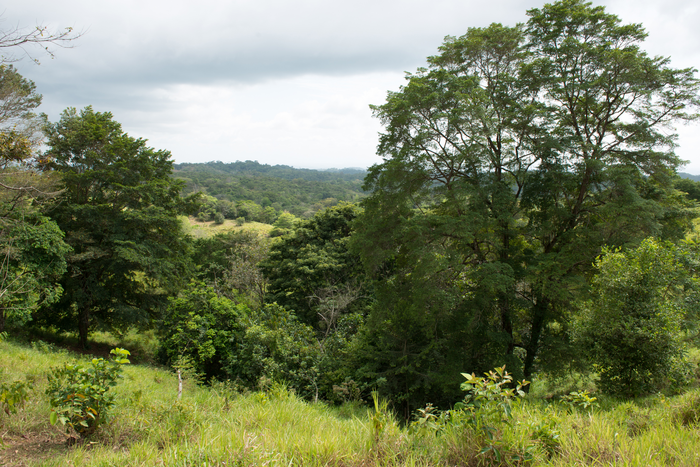
Credit: Jorge Aleman, Smithsonian Tropical Research Institute
New research, published in Scientific Reports by Smithsonian Tropical Research Institute (STRI) postdoctoral fellow Karina Chavarria and colleagues, shows that bacterial communities in streams adjacent to young secondary forests recover to resemble those of mature forest streams in as little as a decade after cattle has been removed from the land, and that these communities are robust throughout the year.
These results come at a critical time. 2021 marks the beginning of the United Nations Decade on Ecosystem Restoration, which aims to prevent, halt and reverse the degradation of ecosystems worldwide. The Agua Salud Project, a collaboration with the Panama Canal Authority and the Ministry of the Environment in Panama, and where this research took place, is one of the many initiatives at STRI aimed at understanding the drivers and consequences of environmental change.
Lessons learned from long term studies of forest ecosystems across different land uses and extreme weather events at Agua Salud inform our ability to restore and maintain tropical forests. With its various streams and rivers distributed throughout hundreds of hectares, Agua Salud also offers a unique platform for hydrological studies.
Water is a key resource for life on earth. People rely on streams and lakes for food and recreation. Microbes are less appreciated constituents of aquatic systems but are behind-the-scenes engineers that ensure water quality by cycling nutrients and energy. When streams become polluted or surrounding landscapes are degraded, microbial communities shift, risking their ability to help maintain natural processes and often allowing harmful bacteria to flourish.
Chavarria and colleagues took weekly samples from streams surrounded by mature forest, young secondary forest, silvo- and traditional pasture over a two-year period at STRI’s Agua Salud site. They measured different aspects of water quality, and filtered water samples to extract and sequence the bacterial DNA in these streams.
They found similar communities in streams surrounded by young secondary and mature forests but different, less diverse communities in the cattle pasture stream. Notably, the bacterial community in the silvopasture stream shifted seasonally, with the wet season bacterial community being like the forests and the dry season community similar to the traditional pasture.
“Riparian forest helps to protect the silvopasture stream from the impacts of cattle in the wet season but in the dry season, when cows congregate in the stream to drink and seek shade as a way of avoiding the scorching sun, increased disturbance and fecal inputs make the bacterial community in the water more like that of traditional cattle pastures,” said STRI staff scientist Kristin Saltonstall, Chavarria’s advisor and collaborator on the project.
“It is important that cattle not access the streams, and that their drinking water is provided up slope during the dry season to ensure year-round water quality,” said Jefferson Hall, the director of Agua Salud and a collaborator on the project.
Silvopasture systems, where trees are planted on traditional cattle pastures and forest corridors are often maintained along streams, have gained a lot of attention in recent years. While the jury may still be out as to whether these systems provide all the environmental benefits claimed by promoters, it is clear that having a forest buffer around the stream is beneficial with respect to water quality and stream water bacterial communities.
“Our results add an important dimension to the growing body of research on the ability of biodiversity associated with young tropical secondary forests to recover rapidly, with implications for human health as well as a healthy environment,” said Chavarria.
Mitigation efforts taken during this Decade of Ecosystem Restoration will determine our quality of life for generations to come. Chavarria’s research provides hope, showing that passive reforestation, where forests are allowed to recover after cattle are removed, can restore many aspects of water quality in a matter of years. Studies such as this provide much needed data and demonstrate how science can inform policy and practice, contributing to a sustainable planet.
The Smithsonian Tropical Research Institute, headquartered in Panama City, Panama, is part of the Smithsonian Institution. The Institute furthers the understanding of tropical nature and its importance to human welfare, trains students to conduct research in the tropics and promotes conservation by increasing public awareness of the beauty and importance of tropical ecosystems.
Journal
Scientific Reports
DOI
10.1038/s41598-021-01193-7
Article Title
Land use influences stream bacterial communities in lowland tropical watersheds
Article Publication Date
5-Nov-2021