The study, published in 2026, focuses on the unique durability of dental enamel in aquatic environments, where traditional soft tissue markers often decompose rapidly and become unreliable. By analyzing the accumulation of specific seawater elements on the enamel surface over a controlled three-month period, the team aimed to develop a forensic tool that could supplement existing methods for determining the time since death in submerged bodies.
The central challenge in forensic investigations of drowning is the rapid alteration of conventional postmortem indicators by the aquatic environment. Factors such as water temperature, salinity, and the presence of aquatic life significantly impact decomposition rates, rendering standard markers like body temperature and rigor mortis less effective. Furthermore, recovery of drowning victims often occurs after extended submersion, leading to severe decomposition or skeletonization that precludes the use of many soft tissue-based forensic techniques. In such scenarios, hard tissues like teeth offer a distinct advantage due to their exceptional resistance to environmental degradation, microbial invasion, and physical damage.
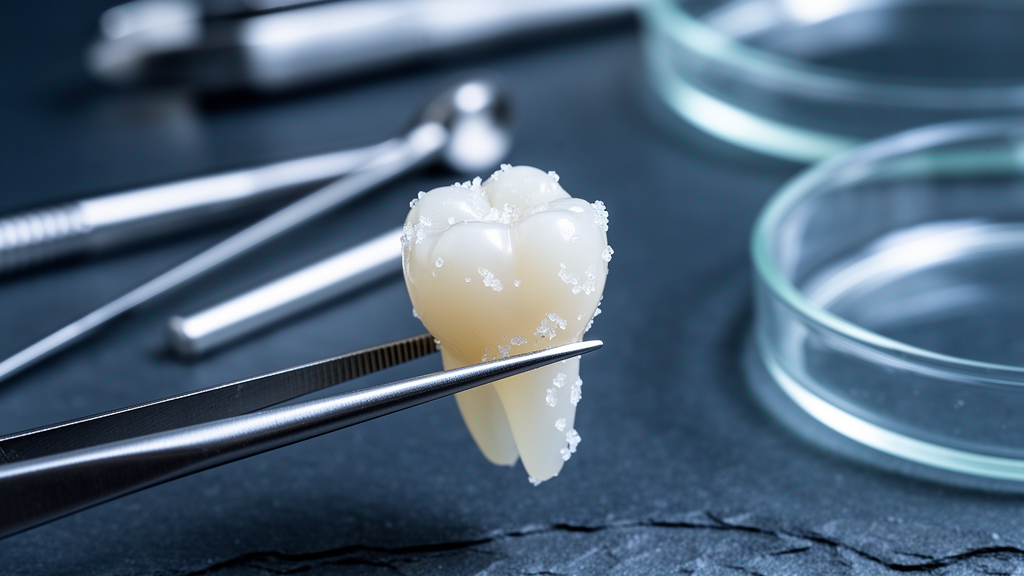
Dental enamel is the hardest substance in the human body and remains naturally exposed during life, unlike bone which is initially encased in soft tissues. This stability allows forensic experts to analyze surface deposits even after prolonged submersion. The study utilized twenty-five newly extracted, intact human teeth obtained from private clinics in Cairo, Egypt. These specimens were preserved in a 10% formol solution and randomly selected to ensure internal standardization. The teeth were left untreated, without cleaning or polishing, prior to submersion to maintain their natural surface characteristics for the experimental analysis.
The experimental design involved an in vitro laboratory simulation where the same teeth were subjected to repeated immersion cycles in seawater collected from the Red Sea. Each tooth underwent four distinct analytical time points: a control baseline, followed by one month, two months, and three months of continuous seawater submersion. The seawater was not changed or freshened between periods, simulating a static aquatic environment. After each submersion interval, the teeth were air-dried at room temperature and examined using Scanning Electron Microscopy coupled with Energy Dispersive X-ray Spectroscopy to track elemental changes on the enamel surface.
Analysis of the seawater composition using Inductively Coupled Plasma Mass Spectrometry and titration methods revealed that Chlorine and Sodium were present at the highest concentrations, while Potassium and Bicarbonate were the lowest. Other elements detected in the seawater included Boron, Strontium, Nickel, and Cadmium, with variable concentrations of Aluminium, Barium, Cobalt, Chromium, Copper, Iron, Manganese, Molybdenum, Silicon, Lead, Vanadium, and Zinc. This comprehensive chemical profile provided the baseline against which the elemental deposition on the dental enamel was measured and correlated with the duration of submersion.
The results indicated highly significant differences in the concentration of studied seawater elements between the control group and the groups immersed for one, two, and three months. The concentrations of Oxygen, Sodium, Phosphorus, Chlorine, Calcium, and Zinc increased over time, demonstrating a positive correlation with the duration of submersion. Conversely, the concentrations of Carbon and Nitrogen significantly decreased as the immersion time progressed, showing a negative correlation. These elemental shifts suggest that the enamel surface undergoes dynamic changes in response to prolonged exposure to seawater ions.
Statistical analysis using one-way repeated measures ANOVA confirmed that the changes in elemental concentrations across the different time points were statistically significant. Linear regression analysis further explored the association between these elemental concentrations and the submersion time. A univariate linear regression model showed a statistically significant association between the concentration of each studied element and the estimated postmortem interval. This allowed the researchers to develop a regression formula for PMI estimation based on individual elemental changes, providing a mathematical framework for correlating specific chemical deposits with time elapsed since death.
A multivariate linear regression model was also developed to assess the combined influence of multiple elements on the postmortem interval. The model identified Sodium, Phosphorus, Chlorine, Calcium, and Zinc as the most significant predictors. The resulting equation demonstrated that the combination of these elements was statistically significant with the estimated PMI. The model explained 99.6% of the variance, indicating strong explanatory power within the controlled experimental conditions. However, the authors caution that this high explanatory power may be attributed to the controlled nature of the experiment and the potential correlation among the studied variables.
The findings align with previous studies by Ishikawa et al. and Selvan et al., which also reported that chemical elements from seawater penetrate and precipitate on dental tissues over time. Ishikawa et al. noted that Oxygen precipitation increased with submersion time, while Selvan et al. observed increases in Oxygen and Chlorine in drowned rat teeth. However, the current study found that Calcium and Phosphorus increased with submersion time, contrasting with earlier reports that suggested these elements might decrease. This discrepancy highlights the complexity of diagenetic processes, where mineralized tissues undergo crystallographic alterations through cycles of dissolution and re-precipitation in saline environments.
The study acknowledges several limitations that must be considered when interpreting the results. The sample size was relatively limited, which may affect the generalizability of the findings. Additionally, the influence of age and sex of the dental samples was not specifically evaluated, and the analysis was restricted to enamel, excluding other dental tissues like dentine and cementum. The controlled in vitro conditions do not fully replicate the complexity of real marine taphonomic processes, where enamel exposure occurs only after progressive soft tissue decomposition. The model simulates immediate enamel exposure, which may not accurately reflect the timeline in actual drowning cases.
Environmental factors such as variations in salinity, water currents, and seasonal conditions were not fully controlled or assessed, potentially influencing the study outcomes. The lack of internal or external validation further limits the generalizability of the proposed regression model. The authors emphasize that the findings represent preliminary experimental evidence and that further research is required to assess how aquatic variables influence PMI estimation from submerged dental enamel. Larger sample sizes and validation under realistic marine settings are necessary before these methods can be applied in forensic practice.
Despite these limitations, the study suggests that elemental precipitation on drowned enamel teeth offers a promising avenue for determining the postmortem interval in forensic cases. By providing a quantitative measure of chemical changes over time, this approach could supplement traditional forensic methods and improve the reliability of death investigations in aquatic environments. Future studies should focus on validating these findings in real-world scenarios and exploring the impact of various environmental factors on the deposition process. The integration of dental enamel analysis into forensic protocols could enhance the accuracy of PMI estimation, particularly in cases where other tissues are unavailable or have decomposed beyond recognition.
To understand how mineral deposits accumulate on submerged dental surfaces, the underlying diagenetic progression must be evaluated. Diagenesis in aquatic environments involves several distinct physical and chemical stages: compaction occurs as overlying mineral layers apply pressure to decrease pore space and increase structural density, followed by cementation as dissolved minerals precipitate and bind the outer matrix together. Subsequent recrystallization alters internal mineral structures, while replacement allows external ions to gradually substitute for existing elements within the substrate. Dental enamel resists these diagenetic alterations far more effectively than bone mineral because of its higher crystallinity and lower organic content. Nevertheless, naturally occurring enamel irregularities, surface porosity, and microscopic cracks trap infiltrating ions, allowing dynamic nanocrystallites to undergo repetitive cycles of dissolution and re-precipitation that gradually integrate seawater elements such as carbonate, potassium, strontium, iron, and magnesium.
The structural anchoring of the dentition also offers distinct taphonomic advantages over other skeletal remains. Because bones are initially surrounded by epithelial and muscular layers, forensic calculations based on skeletal surface deposits risk substantial error if the rate of soft tissue decomposition before exposure is not factored into the timeline. Enamel, in contrast, remains naturally exposed during life, and teeth are securely anchored within the alveolar bone by the periodontal ligament. This strong anatomical attachment ensures that teeth rarely detach in the manner of nails or hair, preserving intact enamel surfaces where chemical deposits can accumulate reliably. Consequently, progressive elemental alterations on dental tissues provide forensic examiners with stable biological markers that may clarify both the postmortem interval and the geographic location of drowning.
Specific mathematical formulas developed across aquatic research highlight distinct elemental dynamics between dental tissues. In the current study, multivariate linear regression yielded an exploratory predictive equation where the estimated postmortem interval equals 0.001 minus 0.213 times sodium concentration, plus 0.110 times phosphorus, minus 0.125 times chlorine, plus 0.117 times calcium, and plus 0.217 times zinc, with a standard error of 0.014. These coefficients demonstrate how individual mineral contributions diverge from patterns documented in dentine and older whole-tooth models. Earlier investigations by Selvan and colleagues derived linear formulas tracking elemental concentrations across time, yielding a phosphorus equation of y equals 18.27 minus 0.062x with an estimated postmortem interval probability of 72 percent, alongside a chlorine equation of y equals 0.443 plus 0.0255x with 98 percent probability. Similarly, Ishikawa formulated an eight-element equation anchored by a baseline constant of 153.32449 to estimate total immersion duration, underscoring how specific elemental weighting factors vary across different dental tissues and experimental protocols.
Subject of Research: Estimation of postmortem interval by quantification of chemical elements deposited on human teeth enamel submersed in seawater
Article Title: Estimation of postmortem interval by quantification of chemical elements deposited on human teeth enamel submersed in seawater
Article References: Hafez, A., Emam, A., Tawfik, W., & Diab, N. (2026). Estimation of postmortem interval by quantification of chemical elements deposited on human teeth enamel submersed in seawater. Egyptian Journal of Forensic Sciences, 16(1), Article 49. https://doi.org/10.1186/s41935-026-00549-2
Image Credits: AI Generated
DOI: 10.1186/s41935-026-00549-2
Keywords: Estimation, postmortem, interval, quantification, chemical, elements, deposited, human, teeth, enamel, submersed, seawater
News Source: Ophelia Keating. (November 13, 2026). Seawater Elements on Enamel May Aid Drowning Time Estimates. Scienmag.