A comprehensive review published in the Egyptian Liver Journal examines the therapeutic potential of targeting mitochondrial mechanisms in metabolic dysfunction-associated steatotic liver disease, commonly known as MASLD. The study, authored by Karthika Selvam, Shalinipriya Muthulakshmi Chinnaswamy, Sathish Jawahar, and Venkatesh Gunasekaran, identifies mitochondrial dysfunction as a central driver in the onset and progression of this condition. The authors argue that addressing these specific cellular defects could open innovative avenues for developing new therapeutic molecules, moving beyond the limited treatment options currently available for this prevalent liver disorder.
MASLD has emerged as the most common liver disease globally, with recent estimates indicating it affects approximately 30% of the world’s population. The condition is characterized by the accumulation of fat in the liver due to metabolic stressors such as central obesity, hyperglycemia, insulin resistance associated with type 2 diabetes, lipotoxicity, or hypertension. If left untreated or improperly managed, this simple steatosis can progress to fibrosis, cirrhosis, and even aggressive hepatocellular carcinoma. The heterogeneity of the disease, influenced by genetic predisposition, metabolic status, gut microbiome, diet, and physical activity, has historically made it difficult to design a single therapeutic agent that effectively manages all underlying factors.
Until recently, treatment options for MASLD were largely limited to antidiabetic, anti-inflammatory, and miscellaneous drugs. Resmetirom, a thyroid hormone receptor-β agonist, has emerged as the only FDA-approved drug specifically targeting this condition, announced in 2024. However, the review highlights that more direct and targeted therapies are essential. The nomenclature shift from non-alcoholic fatty liver disease (NAFLD) to MASLD reflects a deeper understanding that the disease is driven by metabolic dysfunction rather than merely the absence of alcohol. This redefinition allows for a more biologically focused approach to diagnosis and treatment, emphasizing the role of metabolic syndrome in liver pathology.
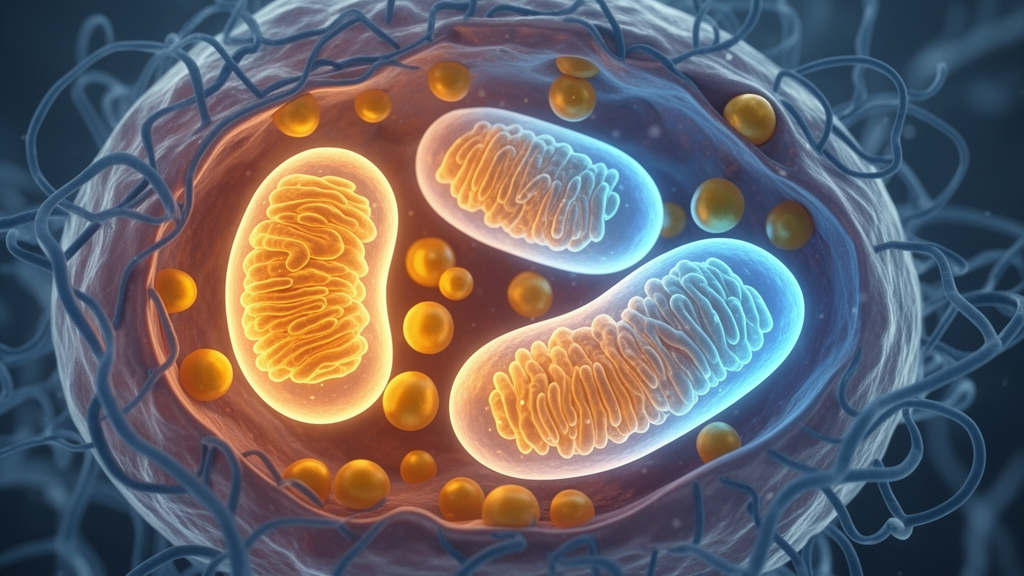
Mitochondria, often described as the powerhouses of the cell, play a crucial role in signaling pathways that regulate oxidative stress and fatty acid metabolism. In the liver, which contains 1,000 to 2,000 mitochondria per hepatocyte, even a slight decrease in mitochondrial activity can reduce ATP synthesis, induce immune dysregulation, and stimulate apoptosis. The review notes that biomarkers of hepatic mitochondrial biogenesis, fission, fusion, and autophagy have been found to drop significantly in MASLD conditions. This decline suggests that mitochondrial dysfunction is not merely a consequence but a significant contributor to the disease’s progression, revitalizing research into steatotic liver therapy.
Oxidative stress is a key mechanism linking mitochondrial dysfunction to liver injury. It results from a disturbance in the balance between reactive oxygen species (ROS) generation and antioxidant protection. In MASLD, mitochondrial malfunction leads to excessive ROS production, particularly through complexes I and III of the electron transport chain. This excess ROS damages mitochondrial DNA and impairs ATP production while activating inflammatory pathways. The review points out that clinical antioxidant trials have often failed due to a mismatch between global antioxidant targets and the specific need for mitochondrial-targeted approaches, as well as patient heterogeneity in genotypes and microbiome composition.
Impairments in fatty acid beta-oxidation further exacerbate lipid accumulation in the liver. This process, which shortens fatty acids into acetyl-CoA for energy production, is hindered by the downregulation of key regulators such as PGC1α and AMPK. In MASLD patients, the acyl-CoA synthetase long-chain family member 4 (ACSL4) is highly expressed in liver tissues and correlates with steatosis and fibrosis. Suppressing ACSL4 expression has been shown to increase mitochondrial respiration and improve the hepatocytes’ ability to mediate fatty acid beta-oxidation, thereby reducing lipid deposition. However, the relative contribution of intrinsic mitochondrial dysfunction versus microbiome-driven substrate linkage remains a significant knowledge gap requiring further investigation.
Endoplasmic reticulum (ER) stress also plays a pivotal role in the progression from steatosis to metabolic dysfunction-associated steatohepatitis (MASH). The ER is the primary site for lipid production in hepatocytes, and its dysfunction activates the unfolded protein response (UPR). While a temporary UPR can prevent steatosis, chronic ER stress exacerbates hepatic steatosis by disrupting lipid gene expression networks. ER stress activates pro-inflammatory pathways, including the NF-κB signaling cascade, which can lead to fibrosis and hepatic damage. The interplay between ER stress and mitochondrial dysfunction creates a vicious cycle that worsens oxidative stress and promotes the transition to more severe liver disease.
Mitophagy, the selective removal of damaged mitochondria, is another critical process that becomes impaired in MASLD. When damaged mitochondria are not cleared efficiently, they aggravate lipid accumulation and oxidative damage. The PINK1-Parkin pathway is central to this process, tagging dysfunctional mitochondria for degradation. However, the clinical relevance of mitophagy remains underdeveloped, and the temporal window during which boosting mitophagy is beneficial versus detrimental is unclear. In chronically stressed livers, excessive mitophagy can deplete mitochondrial content, leading to maladaptive outcomes. Innovative markers for mitophagy are needed to better understand this process and develop targeted interventions.
Genetic variations also influence mitochondrial function and MASLD risk. Mutations in genes such as TM6SF2, PNPLA3, and MBOAT7 have been linked to altered mitochondrial dynamics and increased oxidative stress. For instance, the PNPLA3 I148M variant causes triglyceride remodeling and is associated with reduced mitochondrial respiration. These genetic factors can lead to the release of mitochondrial damage-associated molecular patterns (DAMPs), which impair mitochondrial plasticity and drive inflammation. Understanding the mechanistic linkage among mitochondria, genetics, and MASLD inflammation is crucial for developing personalized therapeutic strategies.
The review highlights several potential therapeutic targets for mitochondrial dysfunction, including cilostazol, idebenone, quercetin, and astaxanthin. Cilostazol, a phosphodiesterase inhibitor, increases PGC-1α expression and mtDNA content, while idebenone regulates lipid metabolism via PPARα. Quercetin scavenges mitochondrial ROS and promotes mitochondrial homeostasis, and astaxanthin improves mitochondrial dysfunction by upregulating FGF21. These compounds represent promising candidates for further clinical investigation, although their efficacy in human patients requires rigorous validation. The integration of mitochondrial-targeted therapy into MASLD research may enhance the likelihood of discovering more effective therapeutic agents.
Mitochondrial transplantation is also discussed as a novel strategy, though it faces significant challenges. These include the high sensitivity of mitochondria, which can lead to loss of structural and functional integrity during delivery, and the difficulty in localizing delivered mitochondria into host cells. Additionally, poor immunogenic and biocompatible properties complicate clinical translation, and there is a lack of standardized protocols for large-scale production of clinical-grade mitochondria. Despite these hurdles, the review suggests that advancements in this area are on the horizon, driven by the urgent need to broaden treatment strategies for MASLD.
The authors conclude that while placing the mitochondrial role in MASLD pathology is challenging, the potential for therapeutic intervention is significant. The etiological changes in mitochondria, including impaired structure, inflammation, mtDNA damage, and altered biogenesis, ultimately contribute to disease progression. By targeting these specific mechanisms, researchers may be able to develop therapies that prevent, manage, or cure MASLD. The review underscores the importance of continued research into mitochondrial pathways, given the limited number of approved drugs and the growing prevalence of this metabolic liver disease.
Beyond general apoptosis, specific forms of regulated cell death in hepatic tissue depend directly on mitochondrial structural shifts and signaling cascades. In metabolic steatohepatitis, necroptosis is driven by mitochondrial permeability transition pore opening and cyclophilin D activity, resulting in depleted adenosine triphosphate levels, loss of membrane potential, and cellular lysis. Ferroptosis, an iron-dependent pathway marked by mitochondrial shrinkage, loss of internal cristae, and outer membrane rupture from iron-catalyzed lipid peroxidation, was shown in experimental mouse models to be counteracted by the alkaloid lycorine, attenuating hepatic steatosis. Hepatocyte loss also proceeds through parthanatos, which couples extensive DNA damage to poly (ADP-ribose) polymerase 1 activation in close association with mitochondrial components, as well as through lysosome-dependent pathways triggered by cathepsin release and lysosomal membrane permeabilization that induce secondary mitochondrial destruction.
The paper also examines how gut microbial metabolites regulate hepatic mitochondrial integrity along a bidirectional gut-liver axis. High-fat diets shift intestinal microbial populations by expanding Firmicutes while depleting Bacteroidetes, promoting gut barrier permeability and dysbiosis. Circulating short-chain fatty acids such as acetic, propionic, and butyric acids foster gluconeogenesis and the accumulation of toxic hepatic lipids, partly by stimulating lipogenesis through G-protein coupled receptor 43. Furthermore, researchers identified N,N,N-trimethyl-5-aminovaleric acid, or TMAVA, as a circulating microbial metabolite that reflects steatosis severity. TMAVA binds and suppresses the enzyme gamma-butyrobetaine hydroxylase, which curtails carnitine biosynthesis and impairs fatty acid transportation into mitochondria. Downstream mitochondrial degradation is further modulated by nuclear regulators; for example, the RNA helicase DDX5 interacts with E2F1 to affect mitophagy and appears downregulated in diet-induced steatohepatitis models, whereas elevated hepatic levels of MORF4L1 exacerbate mitophagy deficits and promote fibrosis.
Complementing therapeutic exploration, genetic analyses illustrate that naturally occurring mutations can also confer protection against steatotic disease progression. Inactivating variants in the HSD17B13 gene correlate with lower risks of cirrhosis, fibrosis, inflammation, and hepatocellular carcinoma, while mutations in CIDEB mitigate liver lipid accumulation. In oncology settings where steatohepatitis advances toward malignancy, mitochondrial interventions show promise in overcoming chemotherapy and immunotherapy resistance. The prenylated flavonoid icaritin promotes apoptosis and mitophagy to trigger immunogenic cell death in liver cancer cells, enhancing the efficacy of doxorubicin or lenvatinib. Similarly, dehydrocrenatidine modifies oxidative phosphorylation to induce lethal reactive oxygen species accumulation, augmenting the anti-tumor potency of sorafenib. Finally, standard oral antioxidants like daily vitamin C support mitochondrial defense by scavenging oxygen free radicals, increasing superoxide dismutase and glutathione peroxidase activity, and curbing hepatic fat deposition.
Subject of Research: Exploring the therapeutic potential of mitochondrial mechanism in metabolic dysfunction associated steatotic liver disease
Article Title: Exploring the therapeutic potential of mitochondrial mechanism in metabolic dysfunction associated steatotic liver disease
Article References: Selvam, K., Chinnaswamy, S. M., Jawahar, S., & Gunasekaran, V. (2026). Exploring the therapeutic potential of mitochondrial mechanism in metabolic dysfunction associated steatotic liver disease. Egyptian Liver Journal, 16(1), Article 44. https://doi.org/10.1186/s43066-026-00526-3
Image Credits: AI Generated
DOI: 10.1186/s43066-026-00526-3
Keywords: Exploring, therapeutic, potential, mitochondrial, mechanism, metabolic, dysfunction, associated, steatotic, liver, disease
News Source: Ophelia Keating. (November 13, 2026). Review Links Mitochondrial Dysfunction to Metabolic Liver Disease Progression. Scienmag.