

• HOME
  • NEWS
  • EXPLORE
    • CAREER
      • Companies
      • Jobs
    • EVENTS
    • iGEM
      • News
      • Team
    • PHOTOS
    • VIDEO
    • WIKI
  • BLOG
  • COMMUNITY
    • FACEBOOK
    • INSTAGRAM
    • TWITTER
Saturday, January 10, 2026
BIOENGINEER.ORG
No Result
View All Result
  • Login
  • HOME
  • NEWS
  • EXPLORE
    • CAREER
      • Companies
      • Jobs
        • Lecturer
        • PhD Studentship
        • Postdoc
        • Research Assistant
    • EVENTS
    • iGEM
      • News
      • Team
    • PHOTOS
    • VIDEO
    • WIKI
  • BLOG
  • COMMUNITY
    • FACEBOOK
    • INSTAGRAM
    • TWITTER
  • HOME
  • NEWS
  • EXPLORE
    • CAREER
      • Companies
      • Jobs
        • Lecturer
        • PhD Studentship
        • Postdoc
        • Research Assistant
    • EVENTS
    • iGEM
      • News
      • Team
    • PHOTOS
    • VIDEO
    • WIKI
  • BLOG
  • COMMUNITY
    • FACEBOOK
    • INSTAGRAM
    • TWITTER
No Result
View All Result
Bioengineer.org
No Result
View All Result
Home NEWS Science News Biology

Scientists use weather forecasts to direct conservation of elephants

Bioengineer by Bioengineer
May 26, 2021
in Biology
Reading Time: 2 mins read
0
IMAGE
Share on FacebookShare on TwitterShare on LinkedinShare on RedditShare on Telegram

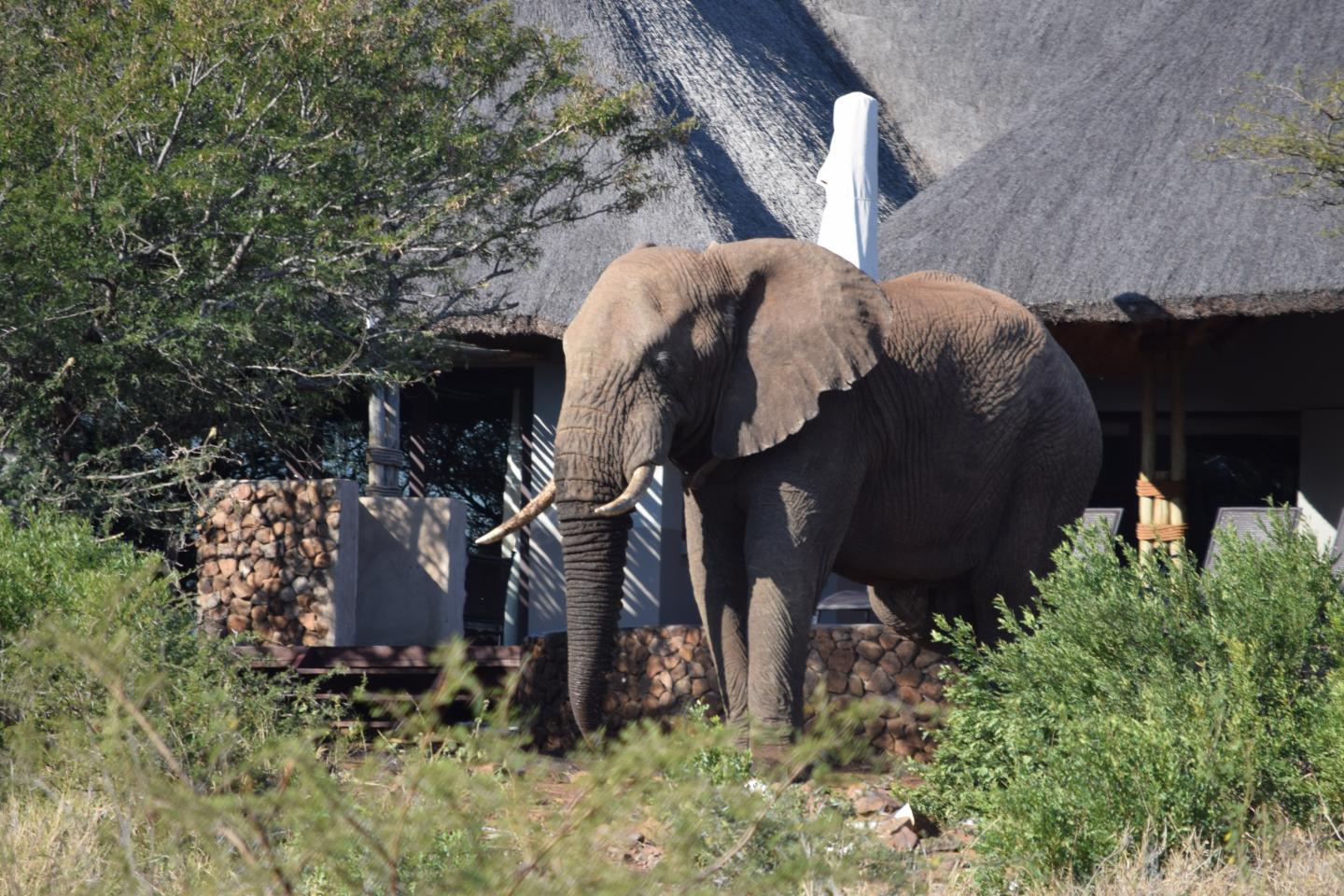
Climate and weather data will be used to predict threats facing African elephants
IMAGE

Credit: Vicky Boult

Wildlife conservationists will use detailed weather forecasts to predict when, where and how elephants could come under threat, as part of a new project led by the University of Reading.

Using accurate weather and climate data, Dr Vicky Boult will aim to predict the threats facing African elephants, such as food shortages or threats from poaching, weeks or months in advance – allowing conservation groups to take action to save them.

The project follows the success of other ‘forecast-based action’ schemes which have helped humanitarian agencies such as the Red Cross deliver aid to people, before natural hazards such as floods have struck. The approach has been used to save lives, protect property, and distribute limited aid resources to the people and places most in need of it – before tragedy hits.

The project is part of a £161,000 NERC Knowledge Exchange Fellowship, along with partners Save the Elephants, Big Life Foundation, Kenya Red Cross Society, Kenya Meteorological Department, the National Drought Management Authority and the IGAD Climate Prediction and Application Centre.

Dr Boult said: “Most efforts to address the impacts of climate change on biodiversity have so far focused on how and where species will live due to different climatic conditions by the end of the century.

“However, extreme weather events, expected to increase in frequency and severity under climate change, mean species could become extinct in some areas, not just at some point in the future, but right now. If we really want to curb the impacts of climate change on the natural world, we need to do more to help individual species cope with the increasing extremes of weather that climate change is bringing.”

Extreme weather poses many conservation challenges, one of which is human-elephant conflict. This tends to increase during drought, when elephants engage in crop-foraging behaviour and come into close contact with herders and livestock at limited water sources. In some regions, human-elephant conflict is a major driver of elephant population decline and threatens the lives and livelihoods of local people.

Dr Boult will explore the potential for forecast-based action to reduce human-elephant conflict. She will draw on her interdisciplinary experience at Reading, from research conducted in the School of Biological Sciences, in which she studied the impacts of food availability on elephants, and her current work in the Meteorology Department, where she develops drought forecasts for the African humanitarian and agricultural sectors.

It is hoped the project will not only help conservation of elephants but could also act as a proof-of-concept for the use of forecast-based action in wildlife conservation more widely, helping to make at-risk species better able to withstand the effects of climate change.

###

Media Contact
Pete Bryant
[email protected]

Tags: BiologyClimate ChangeEcology/EnvironmentZoology/Veterinary Science
Share12Tweet8Share2ShareShareShare2

Related Posts

Exploring GRAS Transcription Factors in Elymus sibiricus

Exploring GRAS Transcription Factors in Elymus sibiricus

January 10, 2026
Extended Spectrum Beta-Lactamase in Ouagadougou Uropathogens

Extended Spectrum Beta-Lactamase in Ouagadougou Uropathogens

January 10, 2026

Unlocking Genetic Diversity in Xizang Sophora Moorcroftiana

January 10, 2026

Diverse DNA Variants Linked to Deafness in Ecuador

January 10, 2026
Please login to join discussion

POPULAR NEWS

  • Enhancing Spiritual Care Education in Nursing Programs

    154 shares
    Share 62 Tweet 39
  • PTSD, Depression, Anxiety in Childhood Cancer Survivors, Parents

    145 shares
    Share 58 Tweet 36
  • Impact of Vegan Diet and Resistance Exercise on Muscle Volume

    46 shares
    Share 18 Tweet 12
  • SARS-CoV-2 Subvariants Affect Outcomes in Elderly Hip Fractures

    45 shares
    Share 18 Tweet 11

About

We bring you the latest biotechnology news from best research centers and universities around the world. Check our website.

Follow us

Recent News

Insulin Resistance Shapes Gut and Incretin Changes Post-Bariatric Surgery

Exploring GRAS Transcription Factors in Elymus sibiricus

Weekly Interval Training Effects in Central Obesity

Subscribe to Blog via Email

Enter your email address to subscribe to this blog and receive notifications of new posts by email.

Join 71 other subscribers
  • Contact Us

Bioengineer.org © Copyright 2023 All Rights Reserved.

Welcome Back!

Login to your account below

Forgotten Password?

Retrieve your password

Please enter your username or email address to reset your password.

Log In
No Result
View All Result
  • Homepages
    • Home Page 1
    • Home Page 2
  • News
  • National
  • Business
  • Health
  • Lifestyle
  • Science

Bioengineer.org © Copyright 2023 All Rights Reserved.

