• HOME
  • NEWS
  • EXPLORE
    • CAREER
      • Companies
      • Jobs
    • EVENTS
    • iGEM
      • News
      • Team
    • PHOTOS
    • VIDEO
    • WIKI
  • BLOG
  • COMMUNITY
    • FACEBOOK
    • INSTAGRAM
    • TWITTER
Monday, July 13, 2026
BIOENGINEER.ORG
No Result
View All Result
  • Login
  • HOME
  • NEWS
  • EXPLORE
    • CAREER
      • Companies
      • Jobs
        • Lecturer
        • PhD Studentship
        • Postdoc
        • Research Assistant
    • EVENTS
    • iGEM
      • News
      • Team
    • PHOTOS
    • VIDEO
    • WIKI
  • BLOG
  • COMMUNITY
    • FACEBOOK
    • INSTAGRAM
    • TWITTER
  • HOME
  • NEWS
  • EXPLORE
    • CAREER
      • Companies
      • Jobs
        • Lecturer
        • PhD Studentship
        • Postdoc
        • Research Assistant
    • EVENTS
    • iGEM
      • News
      • Team
    • PHOTOS
    • VIDEO
    • WIKI
  • BLOG
  • COMMUNITY
    • FACEBOOK
    • INSTAGRAM
    • TWITTER
No Result
View All Result
Bioengineer.org
No Result
View All Result
Home NEWS Science News Health

Scientists recreate DNA damage caused by toxins from smoking

Bioengineer by Bioengineer
April 28, 2020
in Health
Reading Time: 2 mins read
0
IMAGE
Share on FacebookShare on TwitterShare on LinkedinShare on RedditShare on Telegram

Scientists recreate DNA damage caused by toxins from smoking in a bid to understand more about the causes of bladder cancer
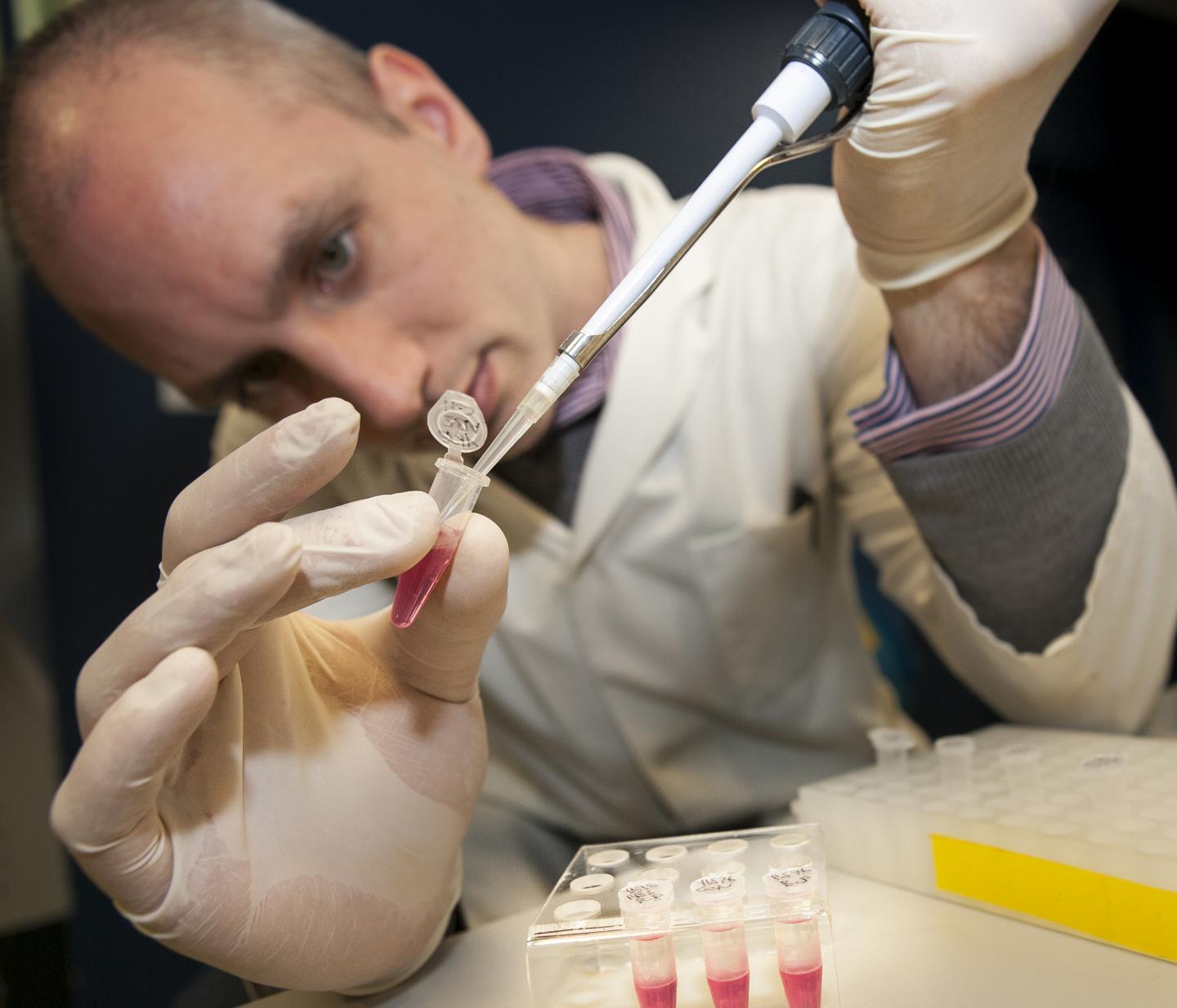
IMAGE

Credit: Phil Roberts

Researchers from the University of York have recreated how toxins from smoking cause unique patterns of DNA damage. The discovery could help scientists better understand the cause of bladder cancer and the link to smoking.

The causes of bladder cancer remain largely unknown, however smoking is seen as the main risk factor for the disease.

Researchers – led by Dr Simon Baker from the Department of Biology – grew human bladder tissues in the laboratory and exposed them to a common toxin from cigarette smoke. After the tissues were damaged by the smoke toxin, the team analysed all three billion letters of the genetic code (DNA) to find a pattern of changes called a “mutational signature.”

Dr Baker said: “Mutational signatures can be used like fingerprints at a crime scene. When we look at the DNA in a cancer we can see the fingerprints of all the criminals involved in causing the damage that led to cancer.

“The DNA damaging event might be exposure to cigarette smoke or UV from the sun but it might also be an unknown event that causes cancer.”

“Our study found that the smoke toxin left its distinctive fingerprints on the DNA of bladder tissues grown in the laboratory. However, when we looked at the DNA of patients’ bladder cancers the mutational signature, of the smoke toxin, was only responsible for a small amount of the damage.

“So despite smoking being the key risk factor for bladder cancer, direct damage of the DNA by smoke toxins is unlikely to be the main reason for these cancers forming.”

It may be that the smoke toxins accelerate other DNA damaging events and attention is now focussing on a family of enzymes called “APOBEC”.

APOBEC enzymes destroy viruses by mutating their DNA as part of the body’s natural defences against infection, but recent studies suggest they might mistakenly target our own DNA in a number of cancer types. The next stage of the study will be to try and understand how and why APOBEC enzymes become activated in the cells of the bladder.

###

The paper, “Procarcinogen Activation and Mutational Signatures Model the 4 Initiation of Carcinogenesis in Human Urothelial Tissues In Vitro” is published in European Urology

Media Contact
Julie Gatenby
[email protected]

Tags: BiologycancerCell BiologyMedicine/Health
Share12Tweet8Share2ShareShareShare2

Related Posts

Bioinspired Microcapsule Reactor Using Engineered Probiotics for IBD Treatment

July 13, 2026

Nationwide Study Reveals Multimorbidity Factors in Older Chinese Adults

July 12, 2026

Clinicopathologic Study Reveals Amyloid Clearance in Alzheimer’s Disease

July 12, 2026

Long-Term Kidney Outcomes After Living Donation in Older Adults Explored

July 12, 2026
Please login to join discussion

POPULAR NEWS

  • Detection of EDCs in Breast Milk and Infant Urine Up to Six Months Highlights Early Exposure Risks

    77 shares
    Share 31 Tweet 19
  • New Drug Candidate Developed at McMaster Shows Potential for Treating Brain Cancer

    58 shares
    Share 23 Tweet 15
  • KTU Researchers Explore Ultrasound’s Role in Enhancing Blood Flow Beyond Diagnostics

    53 shares
    Share 21 Tweet 13
  • Experimental Therapy Simultaneously Destroys Prostate Tumor Cells and Reactivates Antitumor Immunity

    46 shares
    Share 18 Tweet 12

About

BIOENGINEER.ORG

We bring you the latest biotechnology news from best research centers and universities around the world. Check our website.

Follow us

Recent News

Bioinspired Microcapsule Reactor Using Engineered Probiotics for IBD Treatment

KAIST Uncovers Key to Overcoming Semiconductor Electrical Bottleneck

Nationwide Study Reveals Multimorbidity Factors in Older Chinese Adults

Subscribe to Blog via Email

Enter your email address to subscribe to this blog and receive notifications of new posts by email.

Join 85 other subscribers
  • Contact Us

Bioengineer.org © Copyright 2023 All Rights Reserved.

Welcome Back!

Login to your account below

Forgotten Password?

Retrieve your password

Please enter your username or email address to reset your password.

Log In
No Result
View All Result
  • Homepages
    • Home Page 1
    • Home Page 2
  • News
  • National
  • Business
  • Health
  • Lifestyle
  • Science

Bioengineer.org © Copyright 2023 All Rights Reserved.