• HOME
  • NEWS
  • EXPLORE
    • CAREER
      • Companies
      • Jobs
    • EVENTS
    • iGEM
      • News
      • Team
    • PHOTOS
    • VIDEO
    • WIKI
  • BLOG
  • COMMUNITY
    • FACEBOOK
    • INSTAGRAM
    • TWITTER
Sunday, May 17, 2026
BIOENGINEER.ORG
No Result
View All Result
  • Login
  • HOME
  • NEWS
  • EXPLORE
    • CAREER
      • Companies
      • Jobs
        • Lecturer
        • PhD Studentship
        • Postdoc
        • Research Assistant
    • EVENTS
    • iGEM
      • News
      • Team
    • PHOTOS
    • VIDEO
    • WIKI
  • BLOG
  • COMMUNITY
    • FACEBOOK
    • INSTAGRAM
    • TWITTER
  • HOME
  • NEWS
  • EXPLORE
    • CAREER
      • Companies
      • Jobs
        • Lecturer
        • PhD Studentship
        • Postdoc
        • Research Assistant
    • EVENTS
    • iGEM
      • News
      • Team
    • PHOTOS
    • VIDEO
    • WIKI
  • BLOG
  • COMMUNITY
    • FACEBOOK
    • INSTAGRAM
    • TWITTER
No Result
View All Result
Bioengineer.org
No Result
View All Result
Home NEWS Science News Health

Scientists identify ‘checkpoint’ to prevent birth defects and spontaneous miscarriage

Bioengineer by Bioengineer
February 12, 2018
in Health
Reading Time: 2 mins read
1
Share on FacebookShare on TwitterShare on LinkedinShare on RedditShare on Telegram
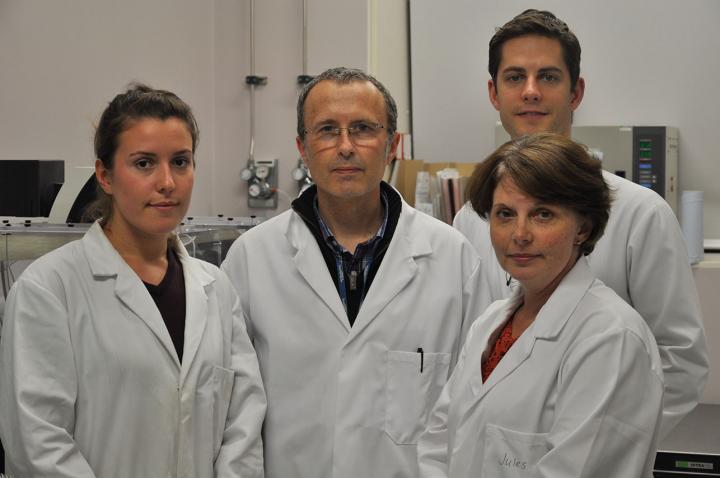
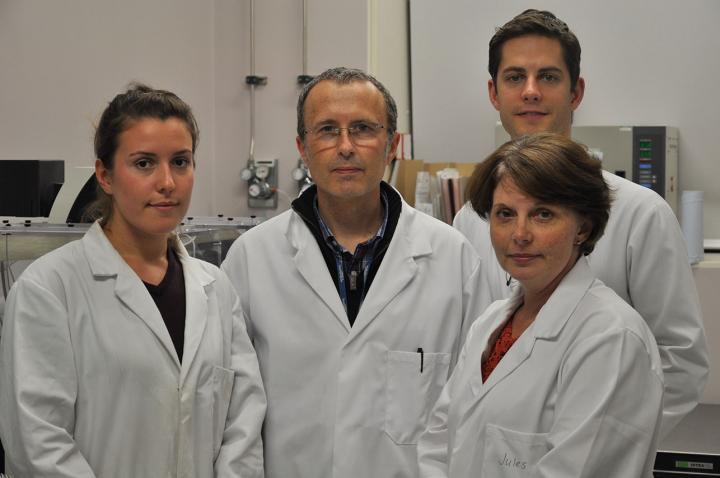
IMAGE

Researchers from the University of Southampton have established that eggs have a protective 'checkpoint' that helps to prevent DNA damaged eggs being fertilised.

Damage to an egg's DNA can result in infertility, birth defects and miscarriages. This damage can occur as a result of the natural ageing process and also as a result of women taking certain types of medication following chemotherapy, or radiotherapy.

The researchers found that damage to DNA during meiosis, the process that results in the formation of sperm cells and egg cells, activates the spindle assembly checkpoint (SAC) in the maturing egg, known as an oocyte, which prevents it from fully developing and stops it from being fertilised.

While the SAC is known to exist in most cells in our body, where it helps to make sure chromosomes are shared equally when a cell divides into two, uniquely in oocytes this checkpoint appears to respond to DNA damage in the chromosomes.

Lead author of the study Professor Keith Jones, Head of Biological Sciences at the University of Southampton, said: "The discovery of such a checkpoint is an important breakthrough that allows further investigation into what could affect the strength of the checkpoint.

"My group aims to go on to understand how the initial DNA damage trigger actually manages to switch-on this checkpoint, because the connection is far from clear. However, we already know that a woman's age is an important factor affecting her fertility, and as such it would be important to determine if this checkpoint is reduced by the ageing process. It would also be an interesting idea to try to switch on this checkpoint in cancer cells because it would augment the actions of chemotherapeutic drugs that work by inducing DNA damage and so preventing their ability to divide."

The study is published in Nature Communications and was funded by the Biotechnology and Biological Sciences Research Council (BBSRC).

###
Share12Tweet8Share2ShareShareShare2

Related Posts

Tau T205 Phosphorylation Controls Memory and Engrams

May 17, 2026

Phocaeicola dorei Eases Liver Fibrosis via Efferocytosis

May 17, 2026

Boosting Aging Positivity and Activity in Older Couples

May 17, 2026

Short-Term Home Cognitive & Physical Training Tested in Seniors

May 16, 2026
Please login to join discussion

POPULAR NEWS

  • Research Indicates Potential Connection Between Prenatal Medication Exposure and Elevated Autism Risk

    844 shares
    Share 338 Tweet 211
  • New Study Reveals Plants Can Detect the Sound of Rain

    730 shares
    Share 291 Tweet 182
  • Salmonella Haem Blocks Macrophages, Boosts Infection

    62 shares
    Share 25 Tweet 16
  • Breastmilk Balances E. coli and Beneficial Bacteria in Infant Gut Microbiomes

    58 shares
    Share 23 Tweet 15

About

We bring you the latest biotechnology news from best research centers and universities around the world. Check our website.

Follow us

Recent News

Tau T205 Phosphorylation Controls Memory and Engrams

Phocaeicola dorei Eases Liver Fibrosis via Efferocytosis

Boosting Aging Positivity and Activity in Older Couples

Subscribe to Blog via Email

Success! An email was just sent to confirm your subscription. Please find the email now and click 'Confirm' to start subscribing.

Join 82 other subscribers
  • Contact Us

Bioengineer.org © Copyright 2023 All Rights Reserved.

Welcome Back!

Login to your account below

Forgotten Password?

Retrieve your password

Please enter your username or email address to reset your password.

Log In
No Result
View All Result
  • Homepages
    • Home Page 1
    • Home Page 2
  • News
  • National
  • Business
  • Health
  • Lifestyle
  • Science

Bioengineer.org © Copyright 2023 All Rights Reserved.