• HOME
  • NEWS
  • EXPLORE
    • CAREER
      • Companies
      • Jobs
    • EVENTS
    • iGEM
      • News
      • Team
    • PHOTOS
    • VIDEO
    • WIKI
  • BLOG
  • COMMUNITY
    • FACEBOOK
    • INSTAGRAM
    • TWITTER
Monday, June 29, 2026
BIOENGINEER.ORG
No Result
View All Result
  • Login
  • HOME
  • NEWS
  • EXPLORE
    • CAREER
      • Companies
      • Jobs
        • Lecturer
        • PhD Studentship
        • Postdoc
        • Research Assistant
    • EVENTS
    • iGEM
      • News
      • Team
    • PHOTOS
    • VIDEO
    • WIKI
  • BLOG
  • COMMUNITY
    • FACEBOOK
    • INSTAGRAM
    • TWITTER
  • HOME
  • NEWS
  • EXPLORE
    • CAREER
      • Companies
      • Jobs
        • Lecturer
        • PhD Studentship
        • Postdoc
        • Research Assistant
    • EVENTS
    • iGEM
      • News
      • Team
    • PHOTOS
    • VIDEO
    • WIKI
  • BLOG
  • COMMUNITY
    • FACEBOOK
    • INSTAGRAM
    • TWITTER
No Result
View All Result
Bioengineer.org
No Result
View All Result
Home NEWS Science News Biology

Scientists explore causes of biodiversity in perching birds

Bioengineer by Bioengineer
April 5, 2019
in Biology
Reading Time: 3 mins read
0
IMAGE
Share on FacebookShare on TwitterShare on LinkedinShare on RedditShare on Telegram

IMAGE

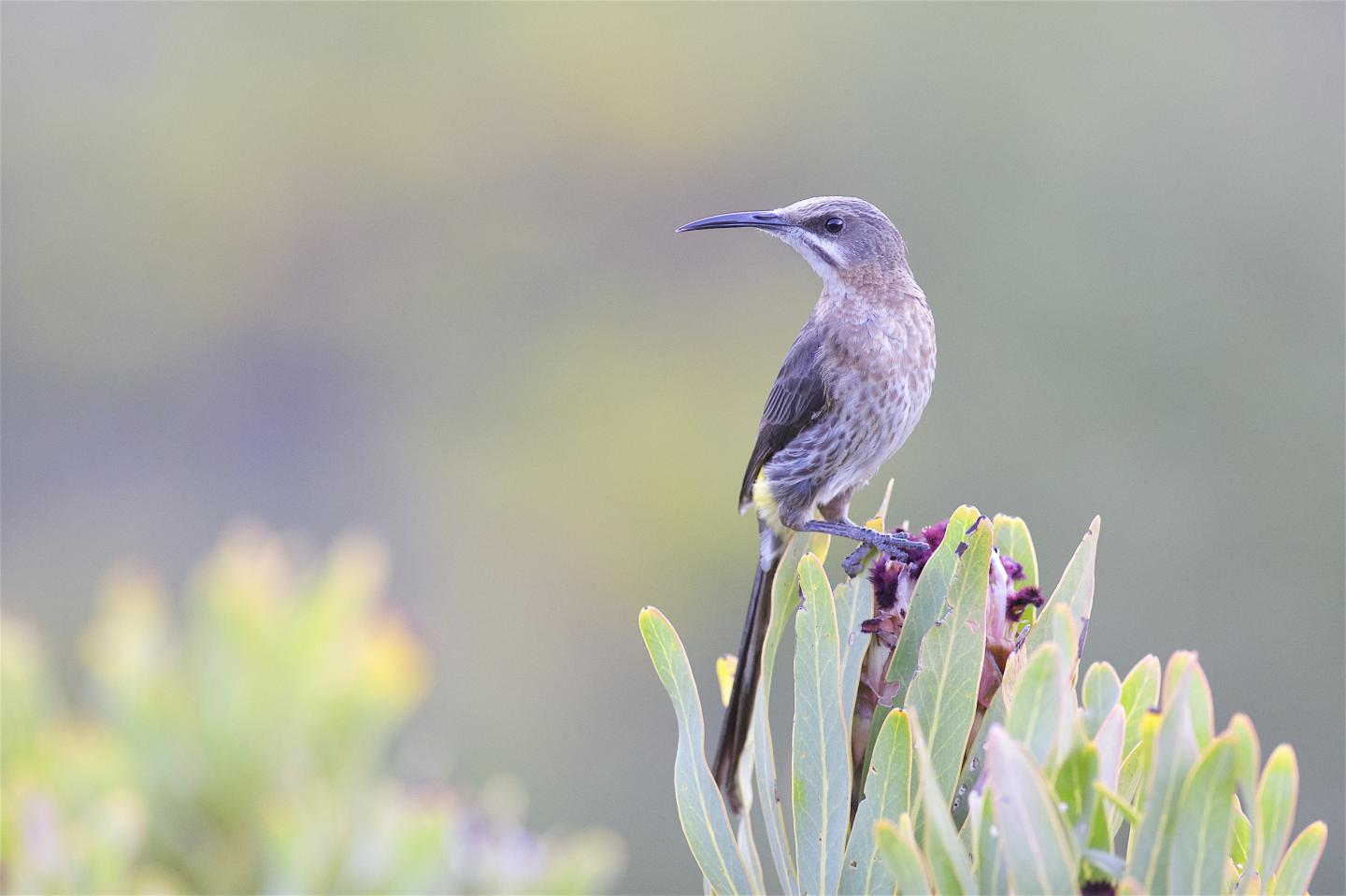
Credit: Daniel Field.

New research by a global team of scientists has resulted in significant strides in ornithological classification and identified possible causes of diversity among modern bird species.

The study, coauthored by researchers at the University of Tennessee, Knoxville and published in Proceedings of the National Academy of Sciences, focuses on perching birds, or passerines. Comprised of over 6,000 species, this group–which constitutes over half of all known bird species–includes familiar birds such as robins, jays, bluebirds, finches, and sparrows.

Scientists analyzed genetic samples and fossils of all major groups within the passerine family to better understand the way these species are related. The large data set allowed for much more accurate inferences into the development of perching birds.

The result is the most accurate and comprehensive “tree of life” of passerine species to date.

The report also includes an analysis of the impact some events in Earth’s history could have had on passerines’ biodiversity.

“Our main discovery is that the evolution of perching birds around the world was determined in part by connections between continents over the Earth’s history, as well as changes in global climate,” said Michael Harvey, a postdoctoral fellow with UT’s Department of Ecology and Evolutionary Biology. “We found, for example, evidence that glaciations during the Oligocene Epoch (between 24 and 33 million years ago) wiped out a lot of perching birds, but that the warming period immediately after prompted the evolution of many of the groups of perching birds alive today.”

Another large portion of the study looks at the origin of perching birds, including a finding that perching birds originated on the Australian landmass around 47 million years ago.

“However, not just one single event in earth’s history explains how they became so diverse and widespread,” said Elizabeth Derryberry, UT assistant professor of ecology and evolutionary biology. “Instead, diversification and dispersal of this group has been affected by a number of different climatological and geological events, such as glaciation, global temperature changes and colonization of new continents.”

According to Harvey, the next step is to fill in the missing gaps in passerine evolution not fully explained by Earth’s history.

“We found that changes in geology and climate cannot explain everything,” he said. “Future research needs to focus on explaining those aspects of bird evolution that are not determined by the Earth’s geological and climatic history, but instead by the evolution of new characteristics in the birds themselves. For example, did the evolution of the ability to complete long-distance migrations in some perching birds help them get to new areas, or lead to the evolution of new species?”

Derryberry believes the research serves as a template for future exploration.

“The study provides a framework for how to conduct these types of analyses on large radiations and should provide a path forward for this type of research on all birds,” she said.

###

CONTACT:

Andrea Schneibel (865-974-3993, [email protected])

Will Wells ([email protected])

Media Contact
Andrea Schneibel
[email protected]

Original Source

https://news.utk.edu/2019/04/05/scientists-explore-causes-of-biodiversity-in-perching-birds/

Related Journal Article

http://dx.doi.org/10.1073/pnas.1813206116

Tags: BiologyEcology/EnvironmentEvolution
Share12Tweet8Share2ShareShareShare2

Related Posts

Natural Hallucinogens: Evolution’s Ecological Tools, Not Mere Chemical Byproducts

June 25, 2026

This Famous Butterfly Revealed: Three Distinct Species Hidden in One

June 25, 2026

Scientists Attack Soybean Cyst Nematode by Starving Its Food Source

June 25, 2026

Decoding the Secret Code of a Crucial Immune Sensor

June 24, 2026
Please login to join discussion

POPULAR NEWS

  • Saying Goodbye to PGY-6: Pediatric Fellowship Realities

    103 shares
    Share 41 Tweet 26
  • Multi-Hospital Study Reveals Long Covid Burden Is Twice as High as Current Estimates

    92 shares
    Share 36 Tweet 23
  • Detection of EDCs in Breast Milk and Infant Urine Up to Six Months Highlights Early Exposure Risks

    77 shares
    Share 31 Tweet 19
  • New Drug Candidate Developed at McMaster Shows Potential for Treating Brain Cancer

    58 shares
    Share 23 Tweet 15

About

We bring you the latest biotechnology news from best research centers and universities around the world. Check our website.

Follow us

Recent News

Tracking Lanthanide-Labeled Microplastics in Plants

POSTECH Researchers Slash Cost of Reconstituted Cell-Free Systems by 95%

AI and Physics Collaborate to Design Advanced Hydrogen Storage Materials

Subscribe to Blog via Email

Success! An email was just sent to confirm your subscription. Please find the email now and click 'Confirm' to start subscribing.

Join 82 other subscribers
  • Contact Us

Bioengineer.org © Copyright 2023 All Rights Reserved.

Welcome Back!

Login to your account below

Forgotten Password?

Retrieve your password

Please enter your username or email address to reset your password.

Log In
No Result
View All Result
  • Homepages
    • Home Page 1
    • Home Page 2
  • News
  • National
  • Business
  • Health
  • Lifestyle
  • Science

Bioengineer.org © Copyright 2023 All Rights Reserved.