• HOME
  • NEWS
  • EXPLORE
    • CAREER
      • Companies
      • Jobs
    • EVENTS
    • iGEM
      • News
      • Team
    • PHOTOS
    • VIDEO
    • WIKI
  • BLOG
  • COMMUNITY
    • FACEBOOK
    • INSTAGRAM
    • TWITTER
Sunday, June 28, 2026
BIOENGINEER.ORG
No Result
View All Result
  • Login
  • HOME
  • NEWS
  • EXPLORE
    • CAREER
      • Companies
      • Jobs
        • Lecturer
        • PhD Studentship
        • Postdoc
        • Research Assistant
    • EVENTS
    • iGEM
      • News
      • Team
    • PHOTOS
    • VIDEO
    • WIKI
  • BLOG
  • COMMUNITY
    • FACEBOOK
    • INSTAGRAM
    • TWITTER
  • HOME
  • NEWS
  • EXPLORE
    • CAREER
      • Companies
      • Jobs
        • Lecturer
        • PhD Studentship
        • Postdoc
        • Research Assistant
    • EVENTS
    • iGEM
      • News
      • Team
    • PHOTOS
    • VIDEO
    • WIKI
  • BLOG
  • COMMUNITY
    • FACEBOOK
    • INSTAGRAM
    • TWITTER
No Result
View All Result
Bioengineer.org
No Result
View All Result
Home NEWS Science News Health

Scientist gets $2 million grant to study how inflammation, gut microbiota promote metabolic syndrome

Bioengineer by Bioengineer
March 17, 2021
in Health
Reading Time: 2 mins read
0
IMAGE
Share on FacebookShare on TwitterShare on LinkedinShare on RedditShare on Telegram

IMAGE

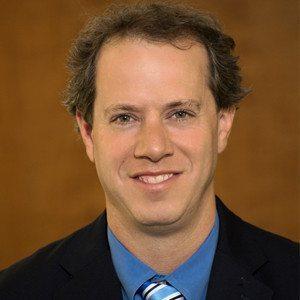
Credit: Georgia State University

ATLANTA–Dr. Andrew Gewirtz, a professor in the Institute for Biomedical Sciences at Georgia State University, has received a four-year federal grant just over $2 million to study how inflammation and altered gut microbiota, the microorganisms living in the intestine, influence the development of a group of diseases referred to as metabolic syndrome.

Between 50 to 80 million Americans suffer from metabolic syndrome, an epidemic of interrelated obesity-associated disorders including insulin resistance, hyperglycemia (high blood sugar), hyperlipidemia (high cholesterol) and hepatic steatosis (fatty liver). Many of these individuals will develop serious, costly diseases such as type 2 diabetes, cardiovascular disease and liver failure.

The grant from the National Institutes of Health’s National Institute of Diabetes and Digestive and Kidney Diseases will be used to understand the mechanisms that drive metabolic syndrome and pave the way to developing novel means to combat this public health emergency.

Metabolic syndrome is associated with chronic, low-grade inflammation that interferes with an array of metabolic signaling pathways, including those for insulin and leptin (a hormone released from fat cells that helps regulate energy balance and reduce hunger). Chronic low-grade inflammation promotes metabolic syndrome.

“Better understanding of the underlying causes of low-grade inflammation is germane to managing the metabolic syndrome epidemic,” Gewirtz said.

In previous work, Gewirtz and his team found that low-grade inflammation can originate from poor management of gut microbiota. They hypothesized that alterations in microbiota promote low-grade inflammation and metabolic syndrome, which is applicable to understanding how diet, particularly industrialization of the food supply, might be altering the microbiota-host relationship and promoting these health issues.

They’ve found that a central feature of metabolic syndrome in mice and humans is bacteria infiltrating the normally near-sterile inner mucus layer of the intestine. This microbiota encroachment can activate pro-inflammatory signaling of the intestine and result in bacteria and their products moving into liver and adipose (fat) tissue, driving low-grade inflammation in these organs. In studies, obese humans who lacked microbiota encroachment also didn’t have metabolic syndrome.

“Together, these results underscore our central hypothesis that microbiota encroachment is a pivotal event in driving low-grade inflammation and subsequently metabolic syndrome,” Gewirtz said. “This hypothesis holds that preventing or reversing microbiota encroachment will ameliorate metabolic syndrome.”

In collaboration with Dr. Shanthi Srinivasan of Emory University, this study proposes to identify encroaching bacteria. The project will also define how encroaching bacteria drive low-grade inflammation and affect metabolism, as well as develop a means to train the immune system to reduce microbiota encroachment and improve metabolic syndrome.

###

For more information about the grant, visit https://projectreporter.nih.gov/project_info_description.cfm?aid=10151289&icde=53915102.

Media Contact
LaTina Emerson
[email protected]

Original Source

https://news.gsu.edu/2021/03/17/biomedical-sciences-researcher-receives-2-million-federal-grant-to-study-how-inflammation-altered-gut-microbiota-promote-metabolic-syndrome/

Tags: GastroenterologyImmunology/Allergies/AsthmaMedicine/HealthMetabolism/Metabolic DiseasesMicrobiology
Share12Tweet8Share2ShareShareShare2

Related Posts

Tracking Lanthanide-Labeled Microplastics in Plants

June 25, 2026

Neural Design Enables Zero-Shot Drug-Binding Proteins

June 25, 2026

Genomic Insights into Human Skin Fungi Diversity

June 25, 2026

Chiral Laser Gyroscopes Surpass Lock-In Limit

June 25, 2026
Please login to join discussion

POPULAR NEWS

  • Saying Goodbye to PGY-6: Pediatric Fellowship Realities

    103 shares
    Share 41 Tweet 26
  • Multi-Hospital Study Reveals Long Covid Burden Is Twice as High as Current Estimates

    92 shares
    Share 36 Tweet 23
  • Detection of EDCs in Breast Milk and Infant Urine Up to Six Months Highlights Early Exposure Risks

    77 shares
    Share 31 Tweet 19
  • New Drug Candidate Developed at McMaster Shows Potential for Treating Brain Cancer

    58 shares
    Share 23 Tweet 15

About

We bring you the latest biotechnology news from best research centers and universities around the world. Check our website.

Follow us

Recent News

Tracking Lanthanide-Labeled Microplastics in Plants

POSTECH Researchers Slash Cost of Reconstituted Cell-Free Systems by 95%

AI and Physics Collaborate to Design Advanced Hydrogen Storage Materials

Subscribe to Blog via Email

Success! An email was just sent to confirm your subscription. Please find the email now and click 'Confirm' to start subscribing.

Join 82 other subscribers
  • Contact Us

Bioengineer.org © Copyright 2023 All Rights Reserved.

Welcome Back!

Login to your account below

Forgotten Password?

Retrieve your password

Please enter your username or email address to reset your password.

Log In
No Result
View All Result
  • Homepages
    • Home Page 1
    • Home Page 2
  • News
  • National
  • Business
  • Health
  • Lifestyle
  • Science

Bioengineer.org © Copyright 2023 All Rights Reserved.