• HOME
  • NEWS
  • EXPLORE
    • CAREER
      • Companies
      • Jobs
    • EVENTS
    • iGEM
      • News
      • Team
    • PHOTOS
    • VIDEO
    • WIKI
  • BLOG
  • COMMUNITY
    • FACEBOOK
    • INSTAGRAM
    • TWITTER
Saturday, April 18, 2026
BIOENGINEER.ORG
No Result
View All Result
  • Login
  • HOME
  • NEWS
  • EXPLORE
    • CAREER
      • Companies
      • Jobs
        • Lecturer
        • PhD Studentship
        • Postdoc
        • Research Assistant
    • EVENTS
    • iGEM
      • News
      • Team
    • PHOTOS
    • VIDEO
    • WIKI
  • BLOG
  • COMMUNITY
    • FACEBOOK
    • INSTAGRAM
    • TWITTER
  • HOME
  • NEWS
  • EXPLORE
    • CAREER
      • Companies
      • Jobs
        • Lecturer
        • PhD Studentship
        • Postdoc
        • Research Assistant
    • EVENTS
    • iGEM
      • News
      • Team
    • PHOTOS
    • VIDEO
    • WIKI
  • BLOG
  • COMMUNITY
    • FACEBOOK
    • INSTAGRAM
    • TWITTER
No Result
View All Result
Bioengineer.org
No Result
View All Result
Home NEWS Science News Biology

Scholars: Estonian soil is surprisingly rich in species

Bioengineer by Bioengineer
October 31, 2018
in Biology
Reading Time: 2 mins read
0
Share on FacebookShare on TwitterShare on LinkedinShare on RedditShare on Telegram
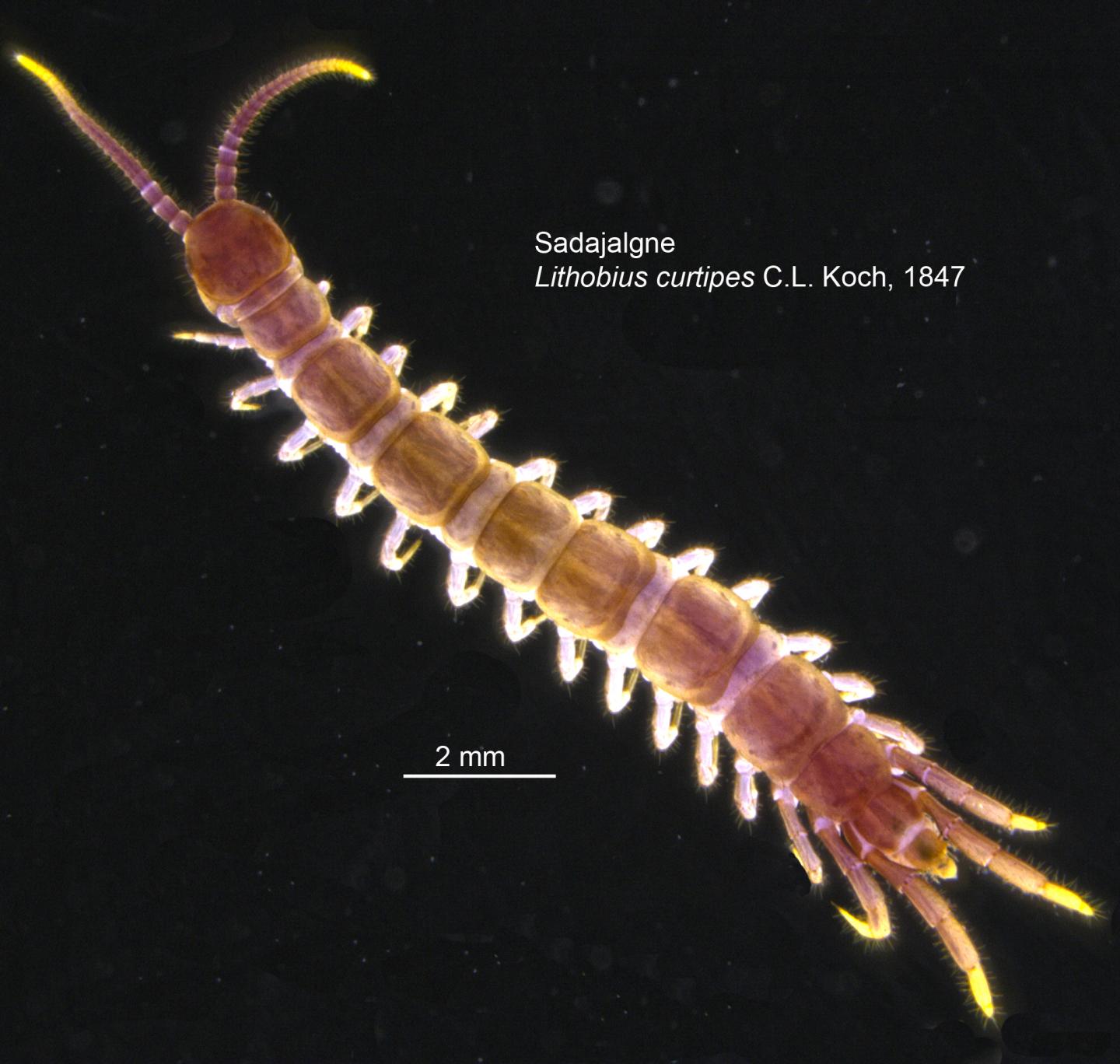
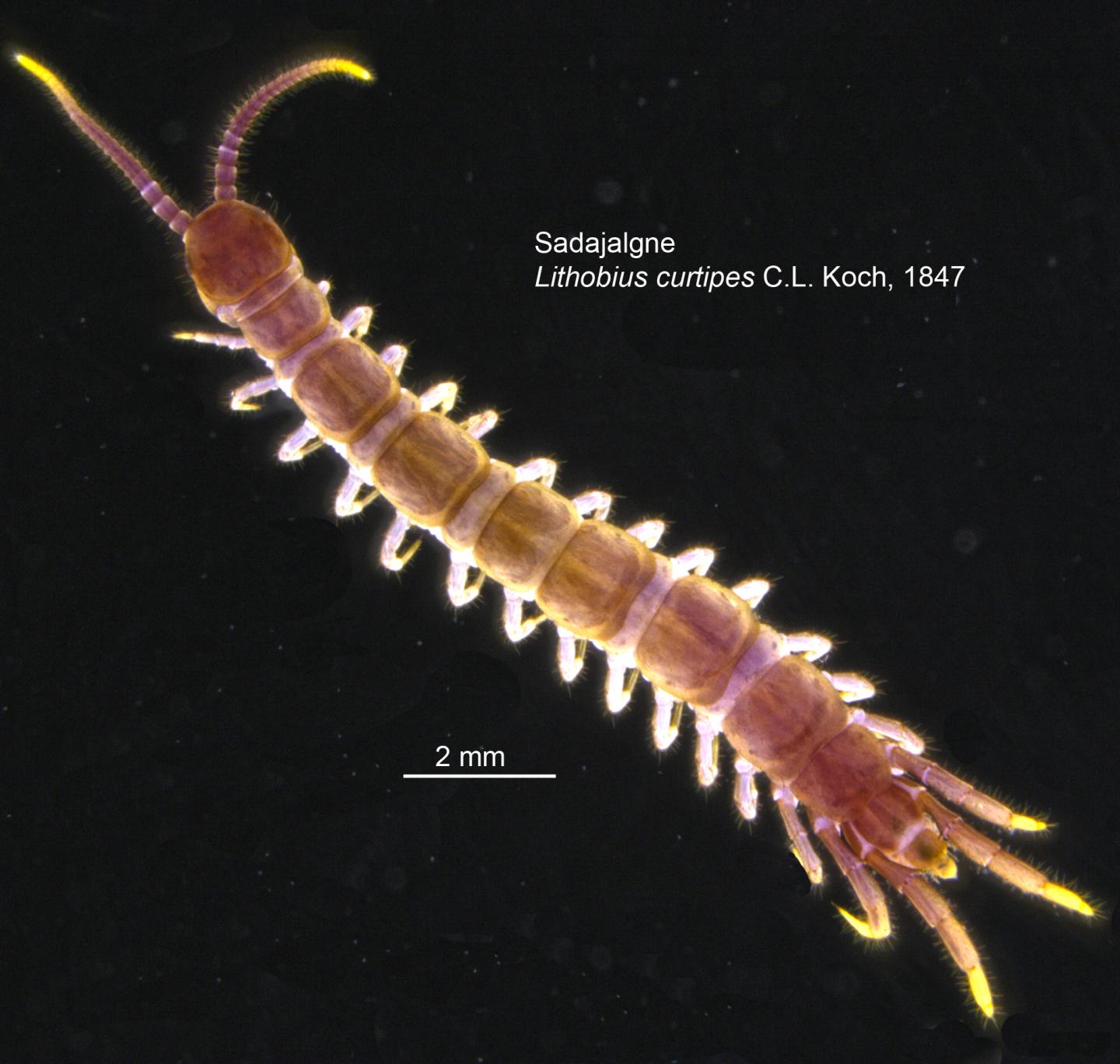
IMAGE

Credit: Estonian University of Life Sciences

Due to its biodiversity and probably huge number of taxa waiting to be discovered, soil fauna has been called the poor man's rain forest. If a researcher cannot head for a collecting trip to the tropics at the moment but wishes to discover something new, one can take along a shovel and start digging in the home forest or meadow.

Led by scholars from Estonian University of Life Sciences, a bibliography of faunistic studies on the biodiversity of Estonian Myriapoda was compiled and a related research article was published in the leading zoosystematics journal ZooKeys. The article analyses the biodiversity of Myriapoda and their habitat preferences in Estonia. The study is a result of collaboration between the Chair of Biodiversity and Nature Tourism at Estonian University of Life Sciences and Tartu College of Tallinn University of Technology.

"A significant part of the surrounding biodiversity is invisible to the naked eye and concentrated into the soil, which is habitat for various mites, springtails, myriapods, nematodes, annelids and various other groups of animals," described doctoral student and junior researcher Kaarel Sammet, the leading author of the research paper from the Chair of Biodiversity and Nature Tourism at Estonian University of Life Sciences. He added that most animals in the soil are quite small, which is why studying them takes good microscopes but definitely also previous experience.

Taxonomically, the subphylum Myriapoda belongs to the phylum Arthropoda and they can be both herbivores and saprophages (millipedes, pauropods and symphylans) or predators (centipedes).

In the course of about ten years, samples from 300 localities were collected all over Estonia. From the recent material and older material from zoological collections more than 5700 individuals were analysed. Data from previous publications were critically summarised as well, Sammet said. "A total of 52 species of Myriapoda were found in Estonia and 13 species of them for the first time. Six species were found to be at their range limits."

When comparing earlier data with the new ones, changes in habitat or occurrence of several species could be noticed and at least one species has been introduced by humans, concluded Sammet.

###

Media Contact

Olavi Kurina
[email protected]
372-731-1887

Avaleht

Related Journal Article

http://dx.doi.org/10.3897/zookeys.793.28050

Share12Tweet7Share2ShareShareShare1

Related Posts

On-Demand Growth of Liver Tissue Directly Within the Body

On-Demand Growth of Liver Tissue Directly Within the Body

April 17, 2026
Conserved DNA Architect Links Chloroplasts to Cell Cycle

Conserved DNA Architect Links Chloroplasts to Cell Cycle

April 17, 2026

UTS Study Reveals Toxic Metal Exposure from E-Cigarette Devices

April 17, 2026

Can Exercise Help You Beat Stress Hormones? New Insights from a Clinical Trial

April 17, 2026
Please login to join discussion

POPULAR NEWS

  • Scientists Investigate Possible Connection Between COVID-19 and Increased Lung Cancer Risk

    62 shares
    Share 25 Tweet 16
  • NSF funds machine-learning research at UNO and UNL to study energy requirements of walking in older adults

    101 shares
    Share 40 Tweet 25
  • Boosting Breast Cancer Risk Prediction with Genetics

    47 shares
    Share 19 Tweet 12
  • Popular Anti-Aging Compound Linked to Damage in Corpus Callosum, Study Finds

    46 shares
    Share 18 Tweet 12

About

BIOENGINEER.ORG

We bring you the latest biotechnology news from best research centers and universities around the world. Check our website.

Follow us

Recent News

Wastewater Detects Drug-Resistant Candidozyma auris Emergence

Metabolically Healthy Obesity Linked to 20-Year Heart Risk

Glycaemic Swings Drive Heart Cell Damage in Diabetes

Subscribe to Blog via Email

Enter your email address to subscribe to this blog and receive notifications of new posts by email.

Join 79 other subscribers
  • Contact Us

Bioengineer.org © Copyright 2023 All Rights Reserved.

Welcome Back!

Login to your account below

Forgotten Password?

Retrieve your password

Please enter your username or email address to reset your password.

Log In
No Result
View All Result
  • Homepages
    • Home Page 1
    • Home Page 2
  • News
  • National
  • Business
  • Health
  • Lifestyle
  • Science

Bioengineer.org © Copyright 2023 All Rights Reserved.