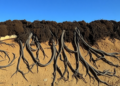
In the realm of sustainable agriculture and ecological stewardship, a groundbreaking publication titled Living Roots: The Promise of Perennial Foods emerges as a pivotal work that intricately weaves together cultural dynamics and agricultural science. Published by Princeton University Press, this collection gathers voices from diverse disciplines to champion perennial crops—plants that return year after year, establishing deep root systems that contribute to healthier, more resilient soils. The collection is noteworthy not only for its scientific insights but also for its cultural discourse, positioning perennial agriculture as a transformative model for humanity’s relationship with the earth.
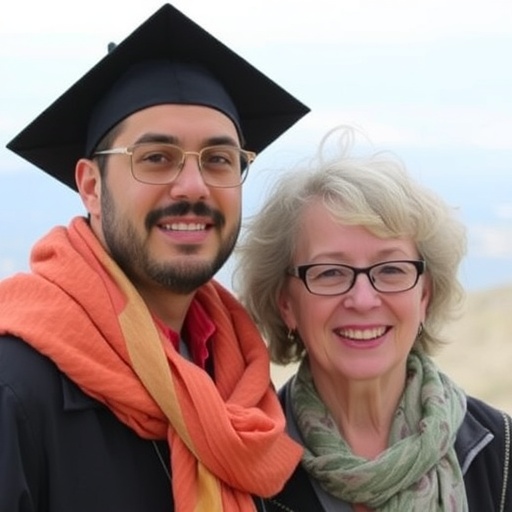
Among the distinguished contributors is Megan Kaminski, a poet and professor of environmental studies at the University of Kansas. Her inclusion elevates the anthology by infusing it with an artistic and contemplative lens, exceptionally suited to probe the profound connections between humans, land, and community. Kaminski’s contribution, a poem titled “Neighbors,” resonates deeply with themes of urban food growing and neighborhood reciprocity, offering an evocative counter-narrative to extractive agricultural practices. Her poetry articulates the notion that tending to a place over time fosters intimate, interdependent relationships essential for ecological and social sustainability.
Kaminski frames the modern predicament as a crisis of attention—one that transcends digital distractions to encompass our disengagement from neighbors, ecosystems, and the ethical obligations we owe to fellow beings and the more-than-human world. Poetry, in her view, becomes a crucial modality for cultivating presence and care, asking readers to slow down and attune to the nuanced interconnections that bind us to the land and one another. This alternative epistemology contrasts starkly with the often reductionist prose of scientific discourse, inviting a form of knowing that is experiential and affective.
The genesis of Kaminski’s involvement with the Living Roots project stems from a longstanding collaboration with Aubrey Streit Krug of The Land Institute. Located in Salina, Kansas, The Land Institute spearheads efforts to popularize and develop perennial agriculture as a sustainable alternative to conventional annual cropping systems. These systems are lauded for their ability to mitigate soil erosion, enhance carbon sequestration, improve nutrient cycling, and foster biodiversity. Kaminski’s artistic contribution complements the Institute’s scientific mission by emphasizing the cultural and communal dimensions of working with perennial plants.
Krug envisioned the incorporation of poetry within this collection as a means to cultivate emotional and imaginative space, crucial for reorienting humanity’s relationship with land. Kaminski’s reflections illustrate how perennial agriculture is not merely a technical fix but a cultural practice that encompasses shared place-based histories and values. In her own neighborhood of East Lawrence, Kansas, she observes how gardening transcends socio-political differences, building bonds through a shared commitment to caring for living landscapes. These micro-communities exemplify how ecological stewardship can serve as a foundation for social cohesion amid polarized environments.
Delving into “Neighbors,” Kaminski’s poem encapsulates the ethos of her current book-length project, Prairie Alchemy. This interdisciplinary endeavor integrates natural history, contemplative practices, and personal narrative to interrogate how place-based relationships unfold over time. The poem celebrates the cultivation and exchange of perennial plants—elderberries, mulberries, okra, sage—across urban alleys and shared fences. It underscores that such acts of tending are not only ecological but also deeply relational, fostering reciprocity that counters commodification and enclosure.
As urban development encroaches upon traditional neighborhood ecosystems, Kaminski confronts the tensions wrought by new construction and shifting demographics. These changes complicate existing relationships with land and neighbors, prompting reflection on how ecological and social systems adapt or degrade under pressure. Despite these challenges, Kaminski notes the resilience of urban wildlife and volunteer plants—foxes, raccoons, hawks, bees—that cohabit her yard, creating a dynamic, living system of interdependence and mutual care.
Kaminski’s academic and creative pursuits straddle several domains, including poetry, ecology, and environmental humanities, emphasizing community engagement and interdisciplinary collaboration. Her work materializes in varied public forms, from installations and guided nature walks to community workshops and partnerships with prairie restoration initiatives. Her scholarship has received significant recognition, exemplified by the Community Engaged Scholarship Award from the University of Kansas’s College of Liberal Arts & Sciences.
Furthermore, the volume Living Roots enlists additional experts from the University of Kansas, such as Kelly Kindscher, whose essay on “Root Foods” explores the intersections of ecology, culture, and sustainable agriculture. Such contributions reinforce the book’s holistic approach, integrating scientific understanding with cultural and ethical inquiry to advance perennial agriculture as a platform for regenerative living.
In synthesizing ecological science with cultural expression, the collection posits perennial foods as emblematic of a paradigm shift in agriculture. Rather than focusing solely on maximizing yield through annual crops requiring intensive inputs, perennial systems emphasize soil health, biodiversity, and long-term stewardship. This agricultural model aligns with emerging research on ecosystem services, carbon capture, and climate resilience, potentially mitigating the environmental degradation caused by conventional farming.
Kaminski’s reflections illuminate the often-overlooked urban dimension of perennial foods. Cities and neighborhoods, frequently dismissed in ecological discourse, harbor rich, intricate ecosystems where human and non-human lives intersect and co-evolve. Recognizing these spaces as vital repositories of culture and biodiversity challenges dominant narratives and opens pathways for equitable, just, and sustainable food systems that honor both place and community.
Ultimately, the integration of poetry and prose in Living Roots fosters a multifaceted engagement with perennial agriculture that transcends disciplinary boundaries. It appeals simultaneously to the intellect, the emotions, and the imagination, encouraging readers to rethink their place within and responsibility to the natural world. This comprehensive approach, blending science with art, holds promise for inspiring the systemic transformations needed to address the intertwined ecological and social crises of our time.
Subject of Research: Perennial agriculture, ecological sustainability, cultural relationships to land, urban food systems, environmental humanities.
Article Title: Living Roots: Exploring the Cultural and Ecological Promise of Perennial Foods
News Publication Date: Not specified
Web References:
https://press.princeton.edu/books/paperback/9781642833881/living-roots
https://landinstitute.org/
Image Credits: Photo by Leslie VonHolten (Megan Kaminski)
Keywords: Perennial agriculture, sustainable farming, ecological restoration, urban ecology, environmental humanities, poetry and ecology, community reciprocity, soil health, biodiversity, climate resilience, prairie ecosystems, cultural ecology
Tags: cultural dynamics in farmingdeep root systems agricultureecological and social sustainabilityecological stewardship importanceenvironmental poetry contributionshuman-earth relationshipinterdisciplinary environmental studiesneighborhood food reciprocityperennial crops benefitssustainable agriculture practicestransformative agricultural modelsurban food growing initiatives