• HOME
  • NEWS
  • EXPLORE
    • CAREER
      • Companies
      • Jobs
    • EVENTS
    • iGEM
      • News
      • Team
    • PHOTOS
    • VIDEO
    • WIKI
  • BLOG
  • COMMUNITY
    • FACEBOOK
    • INSTAGRAM
    • TWITTER
Monday, August 24, 2026
BIOENGINEER.ORG
No Result
View All Result
  • Login
  • HOME
  • NEWS
  • EXPLORE
    • CAREER
      • Companies
      • Jobs
        • Lecturer
        • PhD Studentship
        • Postdoc
        • Research Assistant
    • EVENTS
    • iGEM
      • News
      • Team
    • PHOTOS
    • VIDEO
    • WIKI
  • BLOG
  • COMMUNITY
    • FACEBOOK
    • INSTAGRAM
    • TWITTER
  • HOME
  • NEWS
  • EXPLORE
    • CAREER
      • Companies
      • Jobs
        • Lecturer
        • PhD Studentship
        • Postdoc
        • Research Assistant
    • EVENTS
    • iGEM
      • News
      • Team
    • PHOTOS
    • VIDEO
    • WIKI
  • BLOG
  • COMMUNITY
    • FACEBOOK
    • INSTAGRAM
    • TWITTER
No Result
View All Result
Bioengineer.org
No Result
View All Result
Home NEWS Science News Health

SARS-CoV-2: Isolation of neutralizing antibodies

Bioengineer by Bioengineer
April 23, 2020
in Health
Reading Time: 2 mins read
0
IMAGE
Share on FacebookShare on TwitterShare on LinkedinShare on RedditShare on Telegram

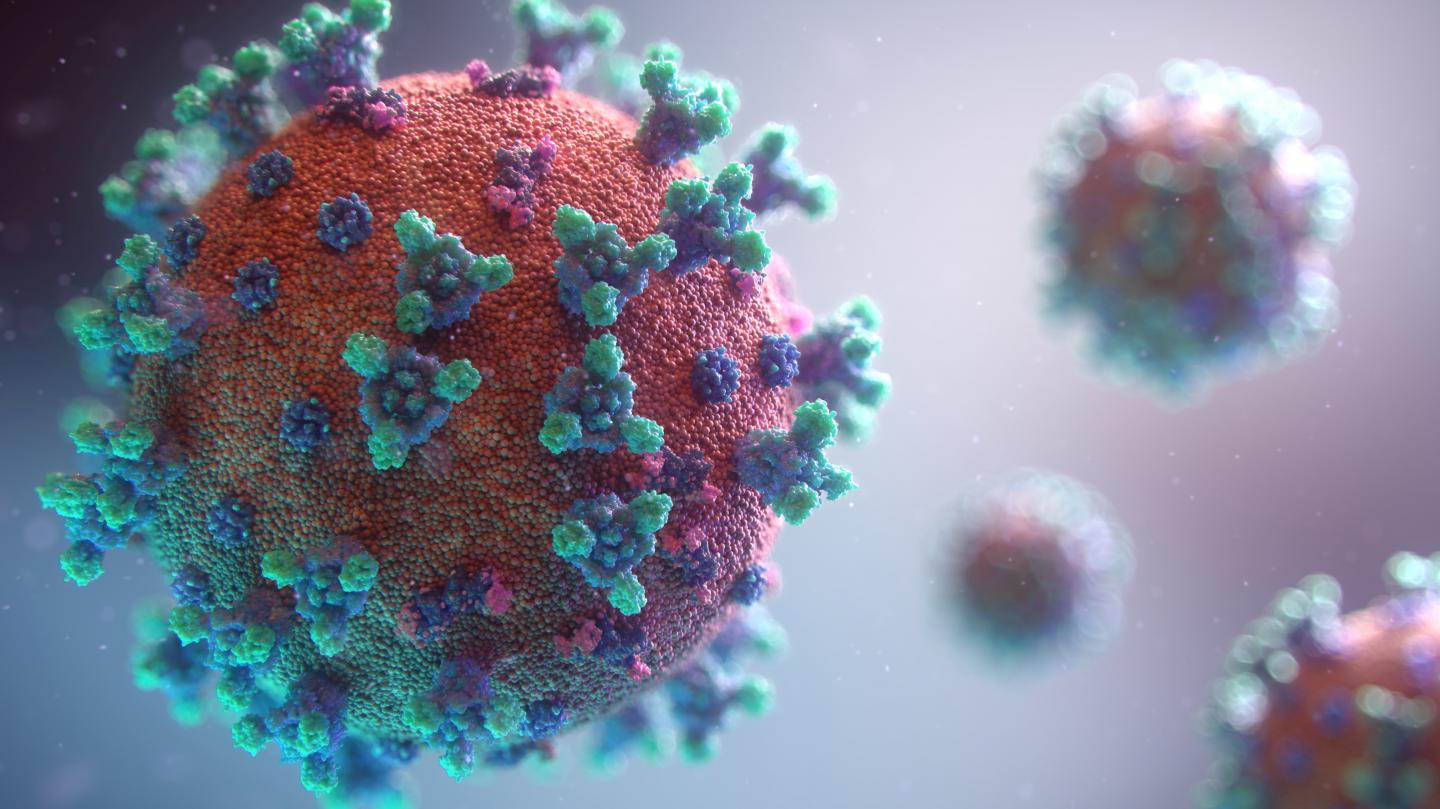
Infectious disease experts conduct research for vaccine and drug development
IMAGE

Credit: Fusion Medical Animation

“Our aim is to find neutralising antibodies against SARS-CoV-2 in blood samples obtained from patients who have recovered from COVID-19, and subsequently use these antibodies to develop a clinically effective drug,” explains Prof. Florian Klein. The DZIF team from Cologne has already been highly successful in using this method for other viruses such as Ebola and HIV-1. It is now applying its longstanding expertise to the coronavirus SARS-CoV-2.

In order to find neutralising antibodies, the scientists investigate B cells obtained from blood samples of patients who have recovered from COVID-19. B cells, also called B lymphocytes, are responsible for developing and producing antibodies in the human body and therefore constitute an essential part of the human immune system.

From millions of different B cells in a blood sample, Florian Klein’s research team identifies individual B cells that are able to detect SARS-CoV-2. The research team subsequently decodes the genetic information of the antibodies and can use the information to produce those antibodies under laboratory conditions. All SARS-CoV-2 specific antibodies are further investigated for their specific properties. The researchers aim to find antibodies that effectively target SARS-CoV-2 and are able to neutralise the virus.

“With this method, we are able to directly identify and investigate fully human SARS-CoV-2 neutralising antibodies,” explains Florian Klein. “In addition, we gain information to more effectively develop active vaccines”. Following this DZIF-funded research, the scientists plan to evaluate a potent antibody candidate in the setting of a clinical trial.

###

Media Contact
Florian Klein
[email protected]

Original Source

https://www.dzif.de/en/sars-cov-2-isolation-neutralising-antibodies

Tags: Immunology/Allergies/AsthmaInfectious/Emerging DiseasesMedicine/HealthVaccines
Share15Tweet9Share3ShareShareShare2

Related Posts

Study reveals surge in type 2 diabetes among people under 20

August 24, 2026

Blocking glucosylceramide production kills cancer cells via lysosomal dysfunction, not ceramide buildup

August 23, 2026

ZCCHC4 boosts replication-dependent histone mRNA translation by interacting with eIF3

August 23, 2026

Tirzepatide Versus GLP-1 Agonists for Stroke Risk in Atrial Fibrillation and Diabetes

August 22, 2026
Please login to join discussion

POPULAR NEWS

  • Study reveals surge in type 2 diabetes among people under 20

    29 shares
    Share 12 Tweet 7
  • KAIST discovers pathway to faster-charging, longer-lasting electric vehicle batteries

    29 shares
    Share 12 Tweet 7
  • Blocking glucosylceramide production kills cancer cells via lysosomal dysfunction, not ceramide buildup

    29 shares
    Share 12 Tweet 7
  • ZCCHC4 boosts replication-dependent histone mRNA translation by interacting with eIF3

    29 shares
    Share 12 Tweet 7

About

We bring you the latest biotechnology news from best research centers and universities around the world. Check our website.

Follow us

Recent News

Study reveals surge in type 2 diabetes among people under 20

KAIST discovers pathway to faster-charging, longer-lasting electric vehicle batteries

Blocking glucosylceramide production kills cancer cells via lysosomal dysfunction, not ceramide buildup

Subscribe to Blog via Email

Enter your email address to subscribe to this blog and receive notifications of new posts by email.

Join 85 other subscribers
  • Contact Us

Bioengineer.org © Copyright 2023 All Rights Reserved.

Welcome Back!

Login to your account below

Forgotten Password?

Retrieve your password

Please enter your username or email address to reset your password.

Log In
No Result
View All Result
  • Homepages
    • Home Page 1
    • Home Page 2
  • News
  • National
  • Business
  • Health
  • Lifestyle
  • Science

Bioengineer.org © Copyright 2023 All Rights Reserved.