• HOME
  • NEWS
  • EXPLORE
    • CAREER
      • Companies
      • Jobs
    • EVENTS
    • iGEM
      • News
      • Team
    • PHOTOS
    • VIDEO
    • WIKI
  • BLOG
  • COMMUNITY
    • FACEBOOK
    • INSTAGRAM
    • TWITTER
Saturday, May 30, 2026
BIOENGINEER.ORG
No Result
View All Result
  • Login
  • HOME
  • NEWS
  • EXPLORE
    • CAREER
      • Companies
      • Jobs
        • Lecturer
        • PhD Studentship
        • Postdoc
        • Research Assistant
    • EVENTS
    • iGEM
      • News
      • Team
    • PHOTOS
    • VIDEO
    • WIKI
  • BLOG
  • COMMUNITY
    • FACEBOOK
    • INSTAGRAM
    • TWITTER
  • HOME
  • NEWS
  • EXPLORE
    • CAREER
      • Companies
      • Jobs
        • Lecturer
        • PhD Studentship
        • Postdoc
        • Research Assistant
    • EVENTS
    • iGEM
      • News
      • Team
    • PHOTOS
    • VIDEO
    • WIKI
  • BLOG
  • COMMUNITY
    • FACEBOOK
    • INSTAGRAM
    • TWITTER
No Result
View All Result
Bioengineer.org
No Result
View All Result
Home NEWS Science News Health

Rutgers researchers discover possible cause for Alzheimer’s and traumatic brain injury

Bioengineer by Bioengineer
September 26, 2018
in Health
Reading Time: 2 mins read
0
Share on FacebookShare on TwitterShare on LinkedinShare on RedditShare on Telegram
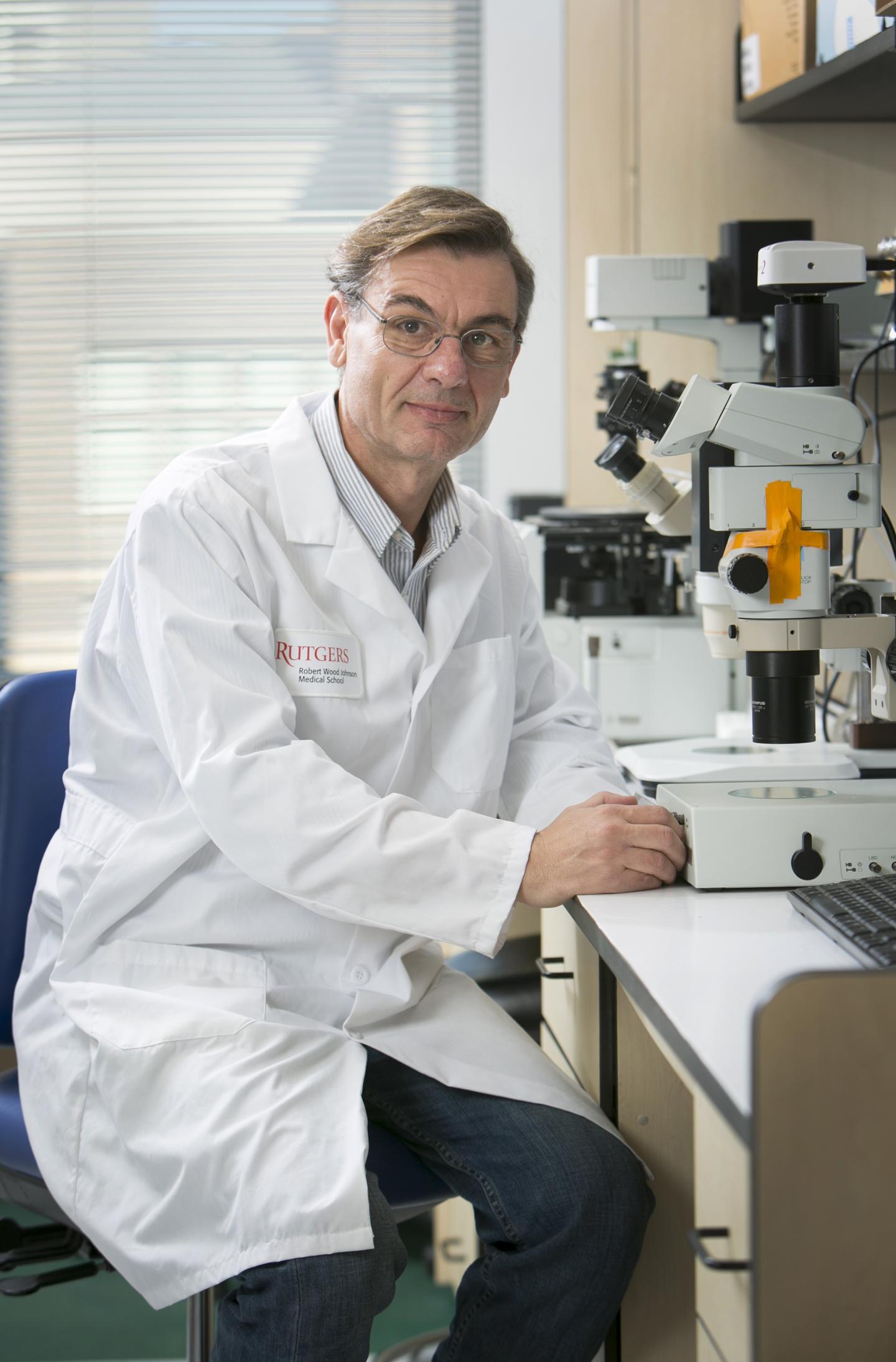
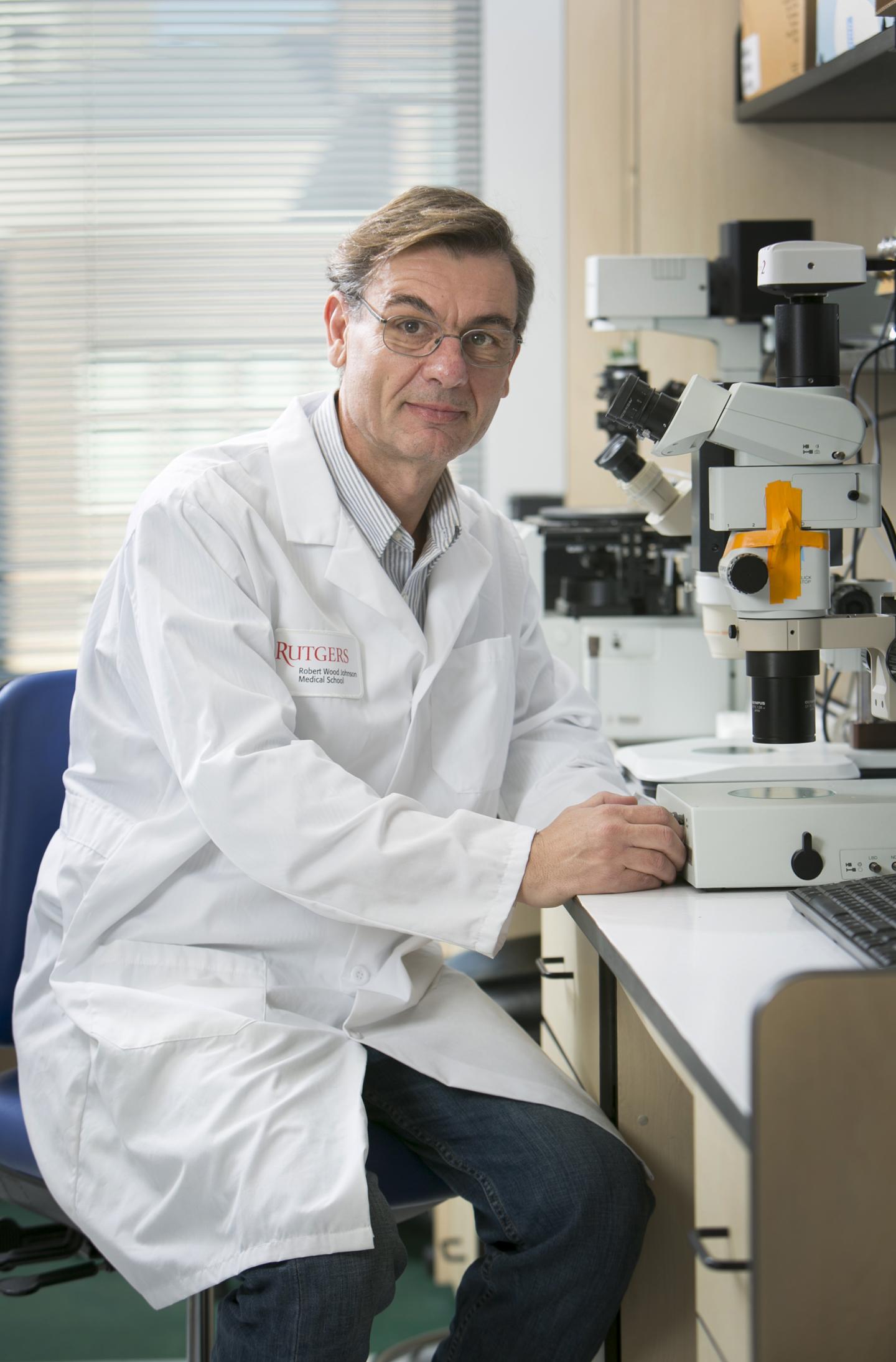
IMAGE

Credit: Kim Sokoloff

Rutgers researchers have discovered a new mechanism that may contribute to Alzheimer's disease and traumatic brain injury. They now hope to launch a clinical trial to test the treatment in humans.

What causes Alzheimer's is unknown, but a popular theory suggests a protein known as amyloid-beta slowly builds up a plaque in the brains of people with Alzheimer's. But in a recent study in the journal Cell Death & Disease, Federico Sesti, a professor of neuroscience and cell biology at Rutgers Robert Wood Johnson Medical School, looked at a new mechanism, which involves a non-amyloid-beta protein, a potassium channel referred to as KCNB1.

Under conditions of stress in a brain affected by Alzheimer's, KCNB1 builds up and becomes toxic to neurons and then promotes the production of amyloid-beta. The build-up of KCNB1 channels is caused by a chemical process commonly known as oxidation.

"Indeed, scientists have known for a long time that during aging or in neurodegenerative disease cells produce free radicals," said Sesti. "Free radicals are toxic molecules that can cause a reaction that results in lost electrons in important cellular components, including the channels."

The study found that in brains affected by Alzheimer's, the build-up of KCNB1 was much higher compared to normal brains.

"The discovery of KCNB1's oxidation/build-up was found through observation of both mouse and human brains, which is significant as most scientific studies do not usually go beyond observing animals," said Sesti. "Further, KCBB1 channels may not only contribute to Alzheimer's but also to other conditions of stress as it was found in a recent study that they are formed following brain trauma."

In the cases of Alzheimer's and traumatic brain injury, the build-up of KCNB1 is associated with severe damage of mental function. As a result of this discovery, Sesti successfully tested a drug called Sprycel in mice. The drug is used to treat patients with leukemia.

"Our study shows that this drug and similar ones could potentially be used to treat Alzheimer's, a discovery that leads the way to launching a clinical trial to test this drug in humans."

###

Media Contact

Jennifer Forbes Mullenhard
[email protected]
732-788-3801
@RutgersU

http://www.rutgers.edu

Original Source

https://news.rutgers.edu/rutgers-researchers-discover-possible-cause-alzheimer%E2%80%99s-and-traumatic-brain-injury/20180926#.W6ufBJNKg8Y http://dx.doi.org/10.1038/s41419-018-0886-1

Share12Tweet7Share2ShareShareShare1

Related Posts

Psychosocial Factors Shape Sexual Satisfaction in Older Adults

May 30, 2026

Frailty, Depression, and Cognitive Decline in Parkinson’s

May 30, 2026

Swedish Stakeholders on Aging Support: Challenges and Opportunities

May 30, 2026

Dual Therapy Blocks Virus-Induced Pregnancy Complications

May 30, 2026
Please login to join discussion

POPULAR NEWS

  • ESMO 2025: mRNA COVID Vaccines Enhance Efficacy of Cancer Immunotherapy

    319 shares
    Share 128 Tweet 80
  • Multi-Hospital Study Reveals Long Covid Burden Is Twice as High as Current Estimates

    81 shares
    Share 32 Tweet 20
  • Common Food Preservatives Associated with Elevated Blood Pressure and Increased Heart Disease Risk

    56 shares
    Share 22 Tweet 14
  • New Study Reveals Plants Can Detect the Sound of Rain

    736 shares
    Share 294 Tweet 184

About

We bring you the latest biotechnology news from best research centers and universities around the world. Check our website.

Follow us

Recent News

Psychosocial Factors Shape Sexual Satisfaction in Older Adults

Polymyxin Resistance Evolution and Fitness Costs in Acinetobacter

Frailty, Depression, and Cognitive Decline in Parkinson’s

Subscribe to Blog via Email

Enter your email address to subscribe to this blog and receive notifications of new posts by email.

Join 82 other subscribers
  • Contact Us

Bioengineer.org © Copyright 2023 All Rights Reserved.

Welcome Back!

Login to your account below

Forgotten Password?

Retrieve your password

Please enter your username or email address to reset your password.

Log In
No Result
View All Result
  • Homepages
    • Home Page 1
    • Home Page 2
  • News
  • National
  • Business
  • Health
  • Lifestyle
  • Science

Bioengineer.org © Copyright 2023 All Rights Reserved.