• HOME
  • NEWS
  • EXPLORE
    • CAREER
      • Companies
      • Jobs
    • EVENTS
    • iGEM
      • News
      • Team
    • PHOTOS
    • VIDEO
    • WIKI
  • BLOG
  • COMMUNITY
    • FACEBOOK
    • INSTAGRAM
    • TWITTER
Wednesday, July 1, 2026
BIOENGINEER.ORG
No Result
View All Result
  • Login
  • HOME
  • NEWS
  • EXPLORE
    • CAREER
      • Companies
      • Jobs
        • Lecturer
        • PhD Studentship
        • Postdoc
        • Research Assistant
    • EVENTS
    • iGEM
      • News
      • Team
    • PHOTOS
    • VIDEO
    • WIKI
  • BLOG
  • COMMUNITY
    • FACEBOOK
    • INSTAGRAM
    • TWITTER
  • HOME
  • NEWS
  • EXPLORE
    • CAREER
      • Companies
      • Jobs
        • Lecturer
        • PhD Studentship
        • Postdoc
        • Research Assistant
    • EVENTS
    • iGEM
      • News
      • Team
    • PHOTOS
    • VIDEO
    • WIKI
  • BLOG
  • COMMUNITY
    • FACEBOOK
    • INSTAGRAM
    • TWITTER
No Result
View All Result
Bioengineer.org
No Result
View All Result
Home NEWS Science News Biology

‘Rule breaking’ plants may be climate change survivors

Bioengineer by Bioengineer
February 10, 2020
in Biology
Reading Time: 3 mins read
0
IMAGE
Share on FacebookShare on TwitterShare on LinkedinShare on RedditShare on Telegram

IMAGE

Credit: Dr Annabel Smith


Plants that break some of the ‘rules’ of ecology by adapting in unconventional ways may have a higher chance of surviving climate change, according to researchers from the University of Queensland and Trinity College Dublin.

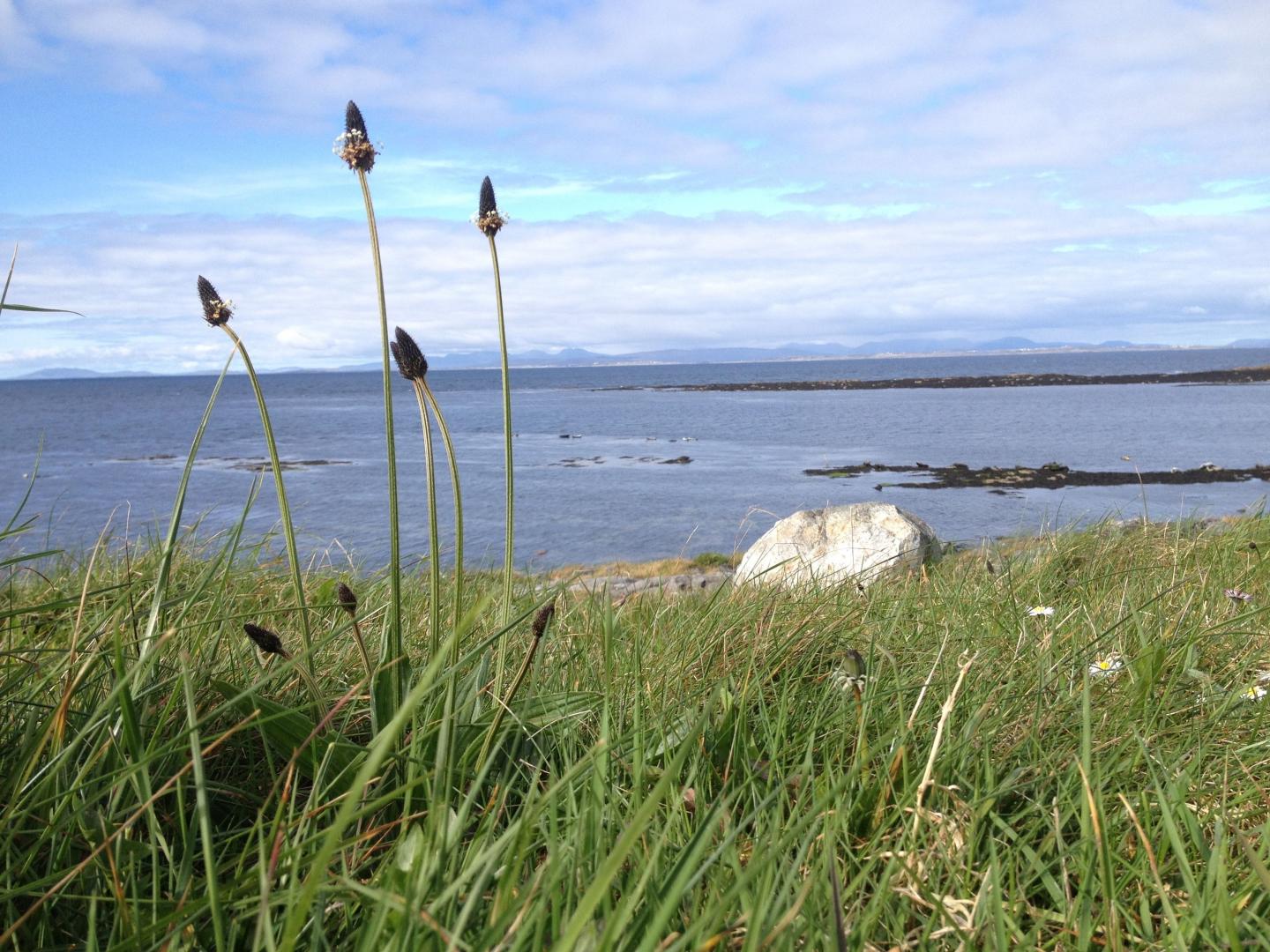
Dr Annabel Smith, from UQ’s School of Agriculture and Food Sciences, and Professor Yvonne Buckley, from UQ’s School of Biological Sciences and Trinity College Dublin Ireland, studied the humble plantain (Plantago lanceolate) to see how it became one of the world’s most successfully distributed plant species.

“The plantain, a small plant native to Europe, has spread wildly across the globe – we needed to know why it’s been so incredibly successful, even in hot, dry climates,” Dr Smith said.

The global team of 48 ecologists set up 53 monitoring sites in 21 countries, tagged thousands of individual plants, tracked plant deaths and new seedlings, counted flowers and seeds and looked at DNA to see how many individual plants have historically been introduced outside Europe.

What they discovered went against existing tenets of ecological science.

“We were a bit shocked to find that some of the ‘rules of ecology’ simply didn’t apply to this species,” Dr Smith said.

“Ecologists use different theories to understand how nature works – developed and tested over decades with field research – these are the so-called ‘rules’.

“One of these theories describes how genetic diversity or variation in genes embedded in DNA are produced by changes in population size.

“Small populations tend to have little genetic diversity, while large populations with many offspring, such as those with lots of seeds, have more genetic diversity.

“Genetic diversity sounds boring, but actually it’s the raw material on which evolution acts; more genetic diversity means plants are better able to adapt to environmental changes, like climate change.

“We discovered that, in their native range, the environment determined their levels of genetic diversity.

“But, in new environments, these rule breakers were adapting better than most other plants.”

The team found the plantain’s success was due to multiple introductions around the world.

Professor Buckley, who coordinates the global project from Trinity College Dublin Ireland, said the DNA analysis revealed that ongoing introductions into Australia, NZ, North America, Japan and South Africa quickly prompted genetic diversity,

It gave these ‘expats’ a higher capacity for adaptation,” Professor Buckley said.

“In Europe plantains played by the rules, but by breaking it outside of Europe, it didn’t matter what kind of environment they were living in, the plantains almost always had high genetic diversity and high adaptability.”

Dr Smith said the finding was fascinating and critical, for two crucial reasons.

“It’s important we now know that multiple introductions will mix genetic stock and make invasive plants more successful quite quickly – an important finding given invasive species cause extinction and cost governments billions of dollars,” she said.

“And secondly, research on invasive plants gives us clues about how our native plants might adapt to climate change.

###

The research is published in PNAS (DOI: 10.1073/pnas.1915848117).

Media Contact
Dr Annabel Smith
[email protected]
61-415-539-509

Original Source

https://www.uq.edu.au/news/article/2020/01/rule-breaking%E2%80%99-plants-may-be-climate-change-survivors

Related Journal Article

http://dx.doi.org/10.1073/pnas.1915848117

Tags: Agricultural Production/EconomicsAgricultureBiodiversityClimate ChangeEvolutionFood/Food ScienceGeneticsPlant SciencesPopulation Biology
Share12Tweet8Share2ShareShareShare2

Related Posts

Promising New HIV Vaccine Shows Remarkable Success in Primate Trials — Biology

Promising New HIV Vaccine Shows Remarkable Success in Primate Trials

July 1, 2026
UMaine Researchers Discover Woodcocks Charge Deer to Protect Their Nests — Biology

UMaine Researchers Discover Woodcocks Charge Deer to Protect Their Nests

June 30, 2026

Early Asian Mammals Prioritized Strength Over Bite Power, Tooth Fossil Analysis Reveals

June 30, 2026

Scientists Unlock How Jellyfish Heal Wounds in Minutes

June 30, 2026
Please login to join discussion

POPULAR NEWS

  • Detection of EDCs in Breast Milk and Infant Urine Up to Six Months Highlights Early Exposure Risks

    77 shares
    Share 31 Tweet 19
  • Saying Goodbye to PGY-6: Pediatric Fellowship Realities

    103 shares
    Share 41 Tweet 26
  • New Drug Candidate Developed at McMaster Shows Potential for Treating Brain Cancer

    58 shares
    Share 23 Tweet 15
  • KTU Researchers Explore Ultrasound’s Role in Enhancing Blood Flow Beyond Diagnostics

    53 shares
    Share 21 Tweet 13

About

We bring you the latest biotechnology news from best research centers and universities around the world. Check our website.

Follow us

Recent News

Planetary Health Diet Index Linked to Breast Cancer Risk

University of Manchester Study Backs WHO’s Groundbreaking Global Air Pollution Update

Applying Physical Pressure Can Double EV Battery Lifespan and Slash Environmental Impact

Subscribe to Blog via Email

Enter your email address to subscribe to this blog and receive notifications of new posts by email.

Join 82 other subscribers
  • Contact Us

Bioengineer.org © Copyright 2023 All Rights Reserved.

Welcome Back!

Login to your account below

Forgotten Password?

Retrieve your password

Please enter your username or email address to reset your password.

Log In
No Result
View All Result
  • Homepages
    • Home Page 1
    • Home Page 2
  • News
  • National
  • Business
  • Health
  • Lifestyle
  • Science

Bioengineer.org © Copyright 2023 All Rights Reserved.