• HOME
  • NEWS
  • EXPLORE
    • CAREER
      • Companies
      • Jobs
    • EVENTS
    • iGEM
      • News
      • Team
    • PHOTOS
    • VIDEO
    • WIKI
  • BLOG
  • COMMUNITY
    • FACEBOOK
    • INSTAGRAM
    • TWITTER
Saturday, July 18, 2026
BIOENGINEER.ORG
No Result
View All Result
  • Login
  • HOME
  • NEWS
  • EXPLORE
    • CAREER
      • Companies
      • Jobs
        • Lecturer
        • PhD Studentship
        • Postdoc
        • Research Assistant
    • EVENTS
    • iGEM
      • News
      • Team
    • PHOTOS
    • VIDEO
    • WIKI
  • BLOG
  • COMMUNITY
    • FACEBOOK
    • INSTAGRAM
    • TWITTER
  • HOME
  • NEWS
  • EXPLORE
    • CAREER
      • Companies
      • Jobs
        • Lecturer
        • PhD Studentship
        • Postdoc
        • Research Assistant
    • EVENTS
    • iGEM
      • News
      • Team
    • PHOTOS
    • VIDEO
    • WIKI
  • BLOG
  • COMMUNITY
    • FACEBOOK
    • INSTAGRAM
    • TWITTER
No Result
View All Result
Bioengineer.org
No Result
View All Result
Home NEWS Science News

Rice Professor Mason Tomson elected AAAS fellow

Bioengineer by Bioengineer
November 21, 2016
in Science News
Reading Time: 2 mins read
0
Share on FacebookShare on TwitterShare on LinkedinShare on RedditShare on Telegram
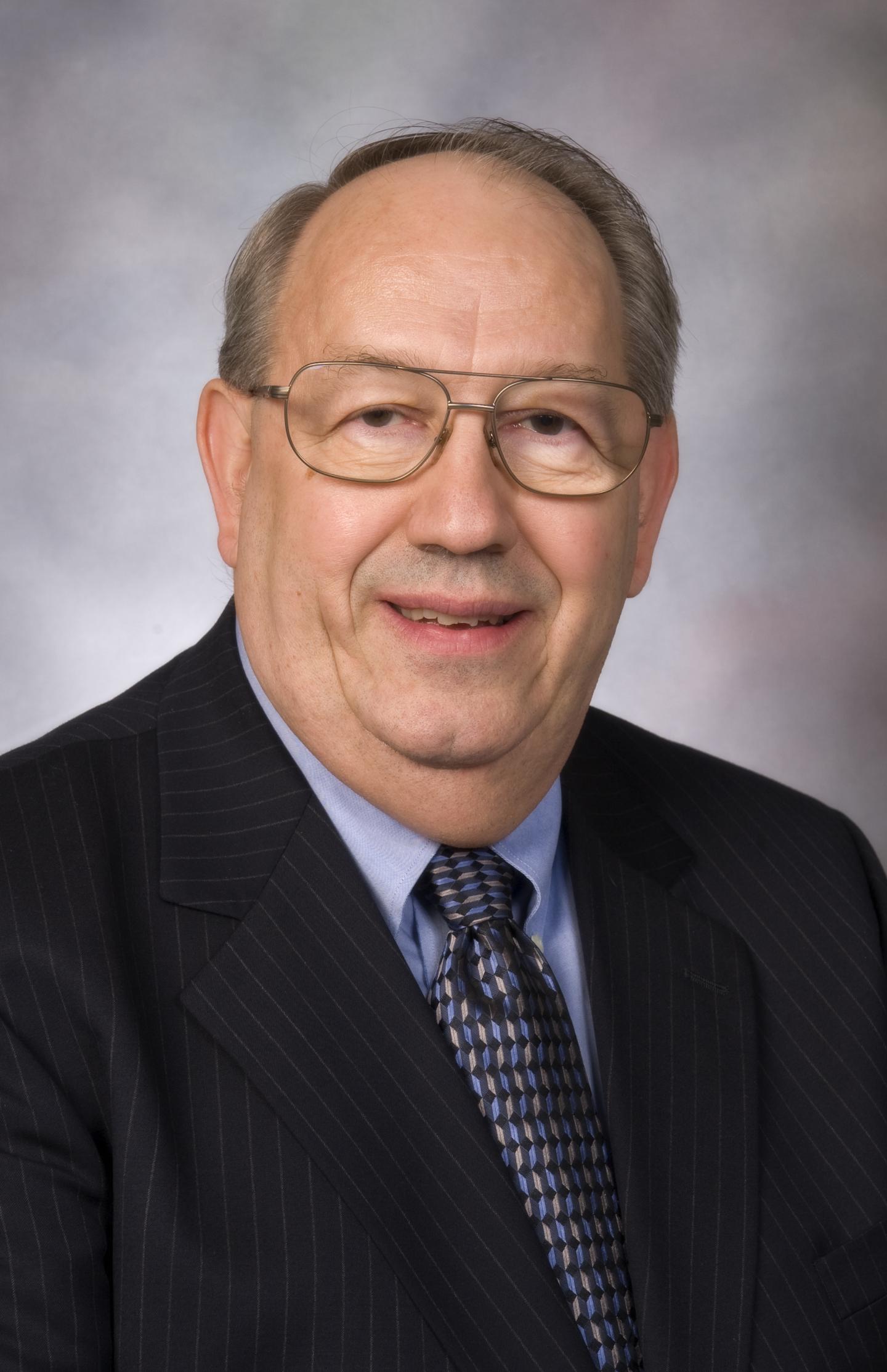
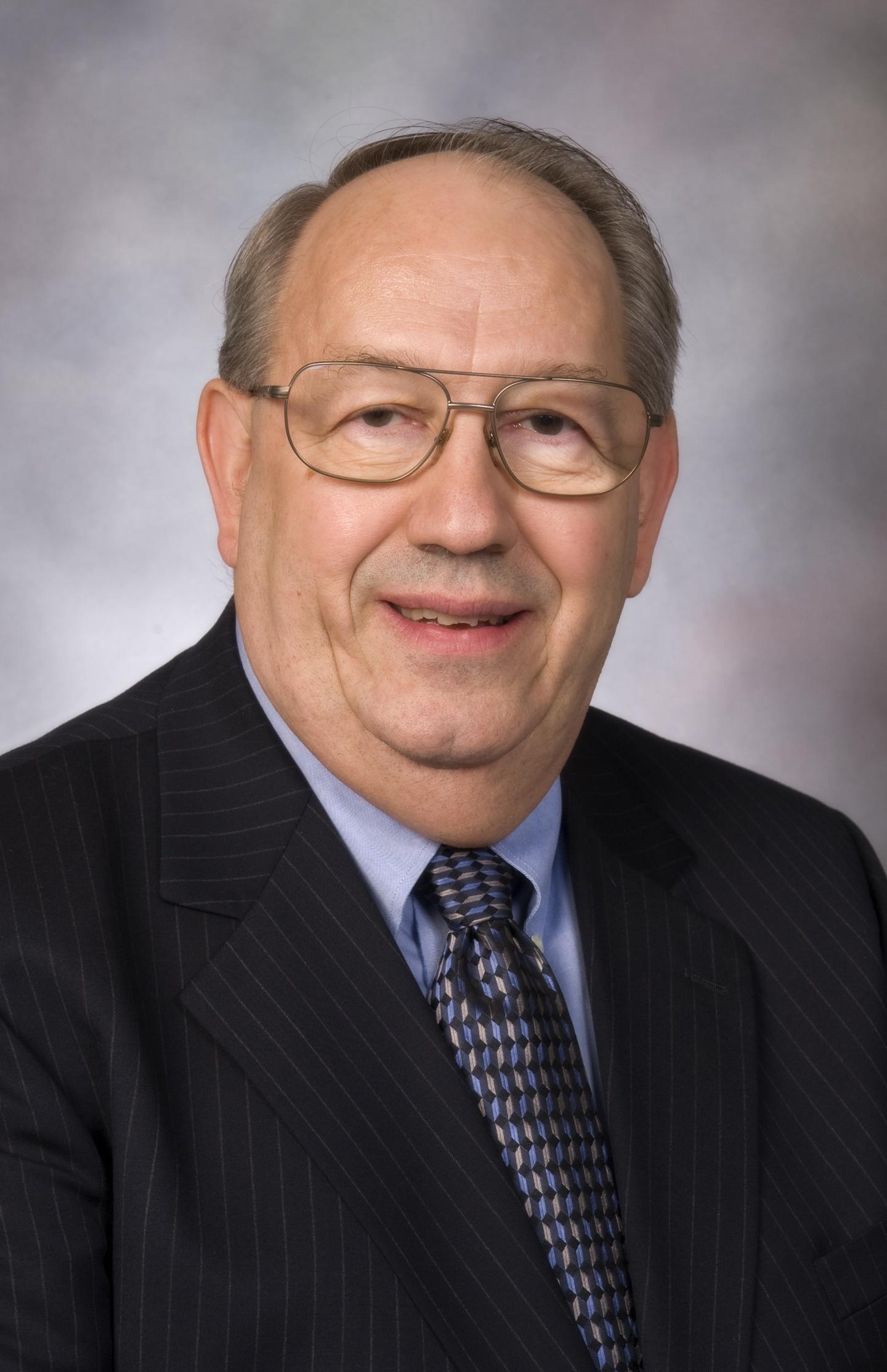
IMAGE

Credit: Tommy LaVergne/Rice University

HOUSTON — (Nov. 21, 2016) — Rice University engineer Mason Tomson has been elected a fellow of the American Association for the Advancement of Science (AAAS), the largest general scientific society in the world and publisher of the journal Science.

He is one of 391 new fellows announced today by AAAS. This honor is awarded to AAAS members by their peers on the basis of their scientifically or socially distinguished efforts to advance science or its applications.

Tomson, a professor of civil and environmental engineering, was elevated to this rank for his "research and education on aqueous chemical adsorption, desorption and transport important in environmental chemistry of arsenic, hydrocarbons, and mineral scale prediction and inhibition."

A member of the Rice faculty since 1977, Tomson specializes in research on the fate and transport of organic and inorganic chemicals in the environment. In the late 1970s, Tomson's research group was among the first to prove that groundwater could be readily contaminated by organic chemicals from the surface. His group helped develop and demonstrate the concepts of enhanced chemical transport in groundwater and of resistant desorption of chemicals from soils and sediments. These concepts have recently been demonstrated to apply to fullerene and activated carbon nanoparticles.

Tomson is also an expert on the mechanisms of mineral scale formation and control. He has decades of experience in researching the processes involved in scale formation — processes that govern the formation of mineral deposits in household water pipes, industrial cooling towers and even kidney stones. He developed one of the fundamental theories that scientists use to explain how chemicals called scale inhibitors prevent mineral formation. Scale inhibitors are widely used in nearly all arenas of industrial water treatment and in virtually all oil and gas wells in the world.

Tomson is leading an effort to establish a joint program on sustainable environmental development between Rice University and Nankai University in Tianjin, China. He also heads the Brine Chemistry Consortium, an industrial group that focuses on applied research and development on scale and corrosion inhibitors in natural gas wells.

Tomson and the other new AAAS fellows will be listed in the Nov. 25 issue of Science and will be presented with a certificate and pin Feb. 18 during the 2017 AAAS annual meeting in Boston.

###

Founded in 1848, AAAS is a nonprofit organization whose mission is to "advance science and serve society" through initiatives in science policy, international programs, science education and public engagement.

A high-resolution IMAGE is available for download at:http://news.rice.edu/files/2016/11/mason-tomson3-21a85nt.jp

CAPTION: Mason Tomson

PHOTO CREDIT: Tommy LaVergne/Rice University

Media Contact

B.J. Almond
[email protected]
713-348-6770
@RiceUNews

http://news.rice.edu

############

Story Source: Materials provided by Scienmag

Share12Tweet8Share2ShareShareShare2

Related Posts

Frequency-Dependent Deep Brain Stimulation in Motor Thalamus Alters Speech and Swallowing

July 18, 2026
Neonatal Monocyte Iron Handling Drives Immunometabolic Responses in Sepsis

Neonatal Monocyte Iron Handling Drives Immunometabolic Responses in Sepsis

July 18, 2026

Factors Affecting Fall Prevention for Older Adults With Dementia, Systematic Review

July 18, 2026

Gene therapy reverses complete congenital night blindness in mice, improving vision

July 18, 2026
Please login to join discussion

POPULAR NEWS

  • A painless adhesive

    49 shares
    Share 20 Tweet 12
  • Groundbreaking Discovery: New Shark Species Identified for the First Time

    34 shares
    Share 14 Tweet 9
  • 研究人员开发认知工具包,实现阿尔茨海默症早期检测

    50 shares
    Share 20 Tweet 13
  • A varied menu

    51 shares
    Share 22 Tweet 12

About

We bring you the latest biotechnology news from best research centers and universities around the world. Check our website.

Follow us

Recent News

Frequency-Dependent Deep Brain Stimulation in Motor Thalamus Alters Speech and Swallowing

Neonatal Monocyte Iron Handling Drives Immunometabolic Responses in Sepsis

Factors Affecting Fall Prevention for Older Adults With Dementia, Systematic Review

Subscribe to Blog via Email

Success! An email was just sent to confirm your subscription. Please find the email now and click 'Confirm' to start subscribing.

Join 85 other subscribers
  • Contact Us

Bioengineer.org © Copyright 2023 All Rights Reserved.

Welcome Back!

Login to your account below

Forgotten Password?

Retrieve your password

Please enter your username or email address to reset your password.

Log In
No Result
View All Result
  • Homepages
    • Home Page 1
    • Home Page 2
  • News
  • National
  • Business
  • Health
  • Lifestyle
  • Science

Bioengineer.org © Copyright 2023 All Rights Reserved.