Recent advancements in cosmetic formulations have begun to highlight the powerful potential of natural ingredients, particularly those derived from marine resources. One of the most promising marine materials currently under investigation is the polysaccharides extracted from the brown seaweed known as Sargassum tenerrimum. This seaweed has garnered attention due to its rich composition that may offer unique benefits for skincare applications, particularly in the development of antioxidant face creams. Researchers Guruviah, Sherline, and Anbuselvan have embarked on a comprehensive study to explore the processing of these polysaccharides and their effectiveness in skincare.
The team’s research delves into the methodology for extracting polysaccharides from Sargassum tenerrimum, emphasizing the various techniques that can efficiently yield high-quality compounds. The extraction process involves elements such as solvent selection, temperature control, and extraction time, which are critical for maximizing the yield of polysaccharides. Each of these factors plays a significant role in ensuring that the bioactive properties of the polysaccharides are retained, making them suitable for cosmetic formulations.
Once the polysaccharides are extracted, their characterization is essential to understand their functional properties. The researchers utilize a range of analytical techniques including Fourier Transform Infrared Spectroscopy (FTIR) and Nuclear Magnetic Resonance (NMR) spectroscopy to elucidate the molecular structure of the polysaccharides. Understanding the chemical characteristics of these polymers allows for better predictions of their behavior in formulations, such as their solubility, stability, and potential interactions with other ingredients.
The antioxidant potential of these polysaccharides is another focal point of the research. Antioxidants are crucial in skincare as they combat oxidative stress caused by environmental factors, thus helping in the prevention of skin aging. The study employs various assays to evaluate the antioxidant activity of the extracted polysaccharides, demonstrating their ability to scavenge free radicals effectively. It becomes evident that incorporating these marine-derived compounds into skincare could offer substantial benefits over traditional synthetic antioxidants.
In addition to their antioxidant properties, the researchers also examine the emulsifying and thickening capabilities of the polysaccharides, which are vital for achieving the desired texture and stability of face creams. The formulation of an effective face cream requires not only an appealing texture but also the ability to maintain stability over time. The polysaccharides from Sargassum tenerrimum exhibit promising thickening properties, which can enhance the sensory experience of the product upon application.
Side-by-side with the formulation development, the researchers explore the potential for these polysaccharides to serve as a natural alternative to artificial preservatives. Many consumers are increasingly seeking products free from synthetic additives. The use of polysaccharides derived from natural sources aligns with this trend, meeting consumer demand for greener, more sustainable cosmetic options. The findings indicate that these marine polysaccharides can act as natural preservatives, extending the shelf-life of cosmetic products while maintaining their integrity.
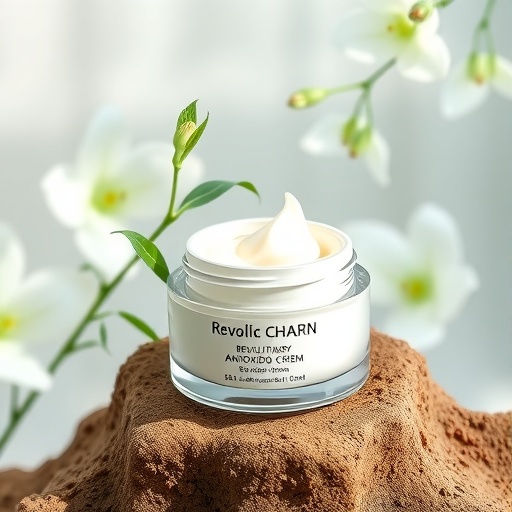
The study culminates in the formulation of a prototype antioxidant face cream that incorporates the processed polysaccharides. Through a series of tests, the researchers evaluate the cream’s performance in terms of stability, texture, and user acceptability. Initial consumer feedback highlights not only the luxurious feel of the cream but also its efficacy in improving skin texture and radiance, solidifying the potential for Sargassum tenerrimum-derived polysaccharides in commercial cosmetic applications.
Moreover, the environmental implications of this research cannot be overstated. By utilizing a marine resource that is often considered a waste product, the study acknowledges the sustainable potential of seaweed in addressing skincare needs. This research paves the way for future exploration of other marine species, harnessing nature’s bounty in a responsible manner that could reduce reliance on land-based resources and contribute to the cultivation of eco-friendly beauty products.
As awareness of the benefits of such natural ingredients grows, there is a significant opportunity for brands to develop new lines of skincare that not only prioritize skin health but also emphasize sustainability. The implications of this research extend beyond skincare; the principles of sustainable sourcing and innovative use of natural ingredients could influence multiple industries, advocating for a broader shift toward holistic beauty practices.
In conclusion, the work of Guruviah and colleagues stands at the forefront of a new era in the cosmetic industry, where natural ingredients and scientific innovation amalgamate to create superior products. As this research progresses into the development of commercial formulations, we may soon witness an influx of skincare products that leverage the power of Sargassum tenerrimum, offering consumers effective, sustainable solutions for their skincare routines. This study serves as a significant stepping stone toward not just enhancing beauty but also fostering a deeper connection between consumers and the natural world.
Subject of Research: Polysaccharides extracted from Sargassum tenerrimum for skincare applications.
Article Title: Processing Sargassum tenerrimum-Derived Polysaccharides for Antioxidant Face Cream Formulation and Characterization.
Article References:
Guruviah, K., Sherline, A., Anbuselvan, V.A. et al. Processing Sargassum tenerrimum-Derived Polysaccharides for Antioxidant Face Cream Formulation and Characterization. Waste Biomass Valor (2025). https://doi.org/10.1007/s12649-025-03306-z
Image Credits: AI Generated
DOI:
Keywords: Polysaccharides, Sargassum tenerrimum, antioxidant, face cream, marine resources, sustainable cosmetics.
Tags: antioxidant skincare formulationsbioactive compounds in cosmeticsbrown seaweed for skincareecological skincare solutionsextraction techniques for seaweedFTIR and NMR spectroscopy in analysisinnovative skincare researchmarine-derived ingredientsnatural cosmetic ingredientsSargassum polysaccharidesskincare benefits of Sargassumsustainable beauty products