
A New Frontier in Aging and Cancer: Restoring Resident Tissue Macrophages to Revitalize Health
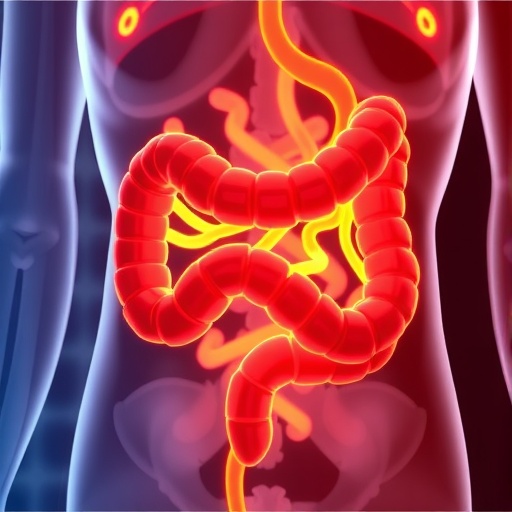
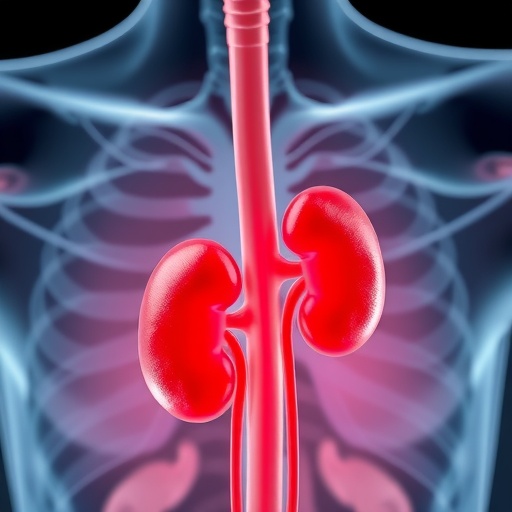
Aging is an intricate biological process that affects nearly every system within the body, shaping the trajectory of health and disease. Among the many factors influencing this progression, the immune system plays a prominent yet complex role. As organisms age, the immune landscape transforms, sometimes resulting in chronic inflammation, impaired tissue repair, and an increased risk of diseases such as cancer. A groundbreaking perspective now emerging from recent research illuminates a key player in these processes: resident tissue macrophages (RTMs). These specialized immune cells, embedded within tissues throughout the body, are critical for maintaining local homeostasis. However, their dysfunction and depletion during aging drive tissue deterioration and foster environments prone to tumorigenesis.
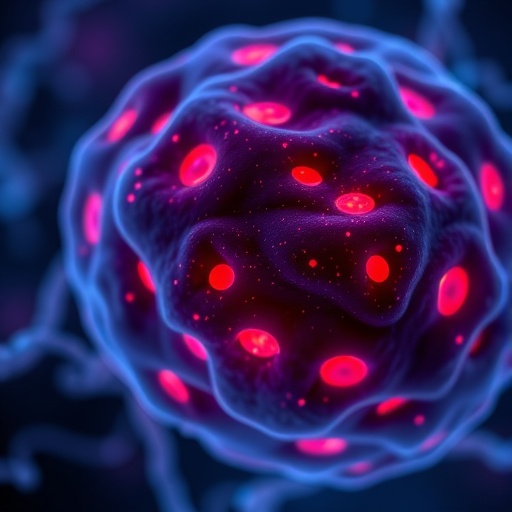
Resident tissue macrophages form a heterogeneous family of cells uniquely adapted to the microenvironments of the organs they inhabit, ranging from the brain’s microglia to the Kupffer cells of the liver. Unlike circulating immune cells derived continually from bone marrow progenitors, many RTMs sustain themselves through local proliferation and self-renewal. This capacity grants them an essential role in tissue-specific immunity, repair mechanisms, and regulatory crosstalk that preserves organ integrity. Yet, as aging progresses, these self-renewing populations dwindle or become functionally impaired. The resulting disruption initiates a cascade of inflammatory signaling and tissue vulnerability that highlights the indispensable nature of RTMs in healthy aging.
.adsslot_JU16oAHgNQ{width:728px !important;height:90px !important;}
@media(max-width:1199px){ .adsslot_JU16oAHgNQ{width:468px !important;height:60px !important;}
}
@media(max-width:767px){ .adsslot_JU16oAHgNQ{width:320px !important;height:50px !important;}
}
ADVERTISEMENT
The abnormal genesis and replenishment of RTMs from bone marrow progenitors emerge as defining hallmarks of aging, regardless of tissue state—healthy or diseased. During aging, hematopoietic stem cells (HSCs) within the bone marrow undergo intrinsic shifts, skewing toward myelopoiesis that paradoxically does not equate to the restoration of fully functional resident macrophages. Instead, this altered hematopoiesis results in a heterogeneous influx of monocyte-derived macrophages that poorly substitute for the nuanced functions of the native RTM populations. This dynamic suggests that the bone marrow microenvironment and its outputs are crucial determinants of tissue immune architecture during aging and that interventions must target both local and systemic levels.
The consequences of RTM loss or dysfunction in aged tissues are profound. Without the regulatory oversight of resident macrophages, tissues often experience heightened pro-inflammatory milieu—sometimes referred to as “inflammaging”—which accelerates cellular senescence and compromises regenerative capacity. This inflammatory environment not only damages surrounding parenchymal cells but also creates fertile ground for malignant transformation and tumor progression. Indeed, tumor-associated macrophages often co-opt dysfunctional RTM niches to promote immune evasion, angiogenesis
Tags: aging-related immune changescancer immunology and agingcancer prevention strategies through immunologychronic inflammation and cancerimmune system and agingmacrophage dysfunction in agingorgan-specific immune responsesresident tissue macrophages functionrevitalizing health through macrophagestissue macrophages and agingtissue repair and immunitytumor microenvironment and immune cells