

• HOME
  • NEWS
  • EXPLORE
    • CAREER
      • Companies
      • Jobs
    • EVENTS
    • iGEM
      • News
      • Team
    • PHOTOS
    • VIDEO
    • WIKI
  • BLOG
  • COMMUNITY
    • FACEBOOK
    • INSTAGRAM
    • TWITTER
Monday, November 2, 2026
BIOENGINEER.ORG
No Result
View All Result
  • Login
  • HOME
  • NEWS
  • EXPLORE
    • CAREER
      • Companies
      • Jobs
        • Lecturer
        • PhD Studentship
        • Postdoc
        • Research Assistant
    • EVENTS
    • iGEM
      • News
      • Team
    • PHOTOS
    • VIDEO
    • WIKI
  • BLOG
  • COMMUNITY
    • FACEBOOK
    • INSTAGRAM
    • TWITTER
No Result
View All Result
Bioengineer.org
No Result
View All Result
Home NEWS Science News Cancer

Residential radon exposure shows no link to thyroid cancer in large US women’s cohort

by
October 29, 2026
in Cancer, Health
Reading Time: 2 mins read
0
Residential radon exposure shows no link to thyroid cancer in large US women's cohort

Residential radon exposure shows no link to thyroid cancer in large US women's cohort

Share on FacebookShare on TwitterShare on LinkedinShare on RedditShare on Telegram

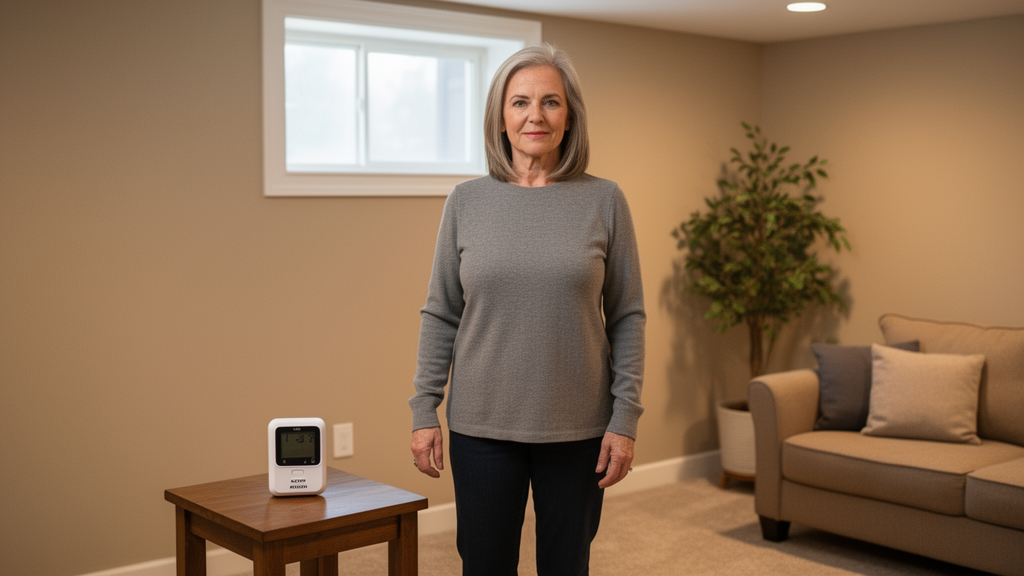
Residential radon exposure during adulthood does not appear to raise the risk of thyroid cancer among postmenopausal women, according to a prospective analysis of the Women’s Health Initiative published in BMC Cancer. The finding challenges a plausible but untested concern, because ionizing radiation during youth is an established thyroid cancer risk factor, while the role of adult exposure has remained unclear.

Radon is a radioactive gas that constitutes the major source of ionizing radiation for most people, and it accumulates in homes. To test whether this everyday exposure matters for thyroid cancer, researchers linked household radon concentrations from the 1993 US Geological Survey, measured in picocuries per liter, to health outcomes in a cohort of postmenopausal women followed through 2024.

The study included 158,770 women who were free of thyroid cancer at baseline. Over a mean follow-up of 17.7 years, 521 incident thyroid cancers were observed. Incidence rates were remarkably similar across exposure categories: 18.5 cancers per 100,000 woman-years at radon concentrations below 2 pCi/L, 18.2 at 2 to 4 pCi/L, and 19.5 above 4 pCi/L.

After adjustment for study design and demographic, social, behavioral, and clinical characteristics, women living at concentrations of 2 to 4 pCi/L did not have a higher hazard of thyroid cancer than those living below 2 pCi/L, with a hazard ratio of 0.99 (95% confidence interval 0.80 to 1.23). Women at the highest category, above 4 pCi/L, likewise showed no elevated hazard, with a hazard ratio of 0.92 (95% confidence interval 0.70 to 1.21). Both intervals include the null value of 1.0, indicating no detectable association.

Sensitivity analyses using alternative approaches to radon measurement produced similar results, suggesting the conclusion is not an artifact of one particular exposure assessment method. The authors note that exposure misclassification could have influenced the findings, a common limitation when estimating long-term residential exposure from survey-based radon maps rather than individual home measurements.

Because the cohort consisted of postmenopausal women in the United States, the results apply to middle-aged and older women and cannot be extended to men, younger adults, or populations with different radon levels. The prospective design, large sample size, and long follow-up strengthen the evidence, but the study addresses adult exposure only and cannot speak to the well-established risks of radiation exposure during childhood and adolescence.

Subject of Research: The association between residential radon exposure and thyroid cancer risk in postmenopausal women

Article Title: Radon and thyroid cancer risk in the Women’s Health Initiative

Article References: Williamson, M. R., Whitsel, E. A., Collins, J. M., Stewart, J. D., Smith, R. L., Siezaga, J., Manson, J. E., Meliker, J. R., Wallace, R. B., Ryu, R. H., & Schwartz, G. G. (2026). Radon and thyroid cancer risk in the Women’s Health Initiative. BMC Cancer. https://doi.org/10.1186/s12885-026-17287-2

Image Credits: AI Generated

DOI: 10.1186/s12885-026-17287-2

Keywords: radon, thyroid cancer, Women's Health Initiative, ionizing radiation, prospective cohort, hazard ratio, residential exposure, postmenopausal women, US Geological Survey, epidemiology, thyroid, cancer

News Source: Nathaniel Bowman. (October 29, 2026). Residential radon exposure shows no link to thyroid cancer in large US women’s cohort. Scienmag.


Tags: cancerEpidemiologyhazard ratioionizing radiationPostmenopausal Womenprospective cohortradonresidential exposurethyroidThyroid cancerUS Geological SurveyWomen's Health Initiative
Share12Tweet7Share2ShareShareShare1

Related Posts

ZNF207 shields glutamine transporter ASCT2 from degradation to fuel liver cancer growth

ZNF207 shields glutamine transporter ASCT2 from degradation to fuel liver cancer growth

October 30, 2026
Most Ethiopian HIV patients on dolutegravir therapy show good knowledge, survey finds

Most Ethiopian HIV patients on dolutegravir therapy show good knowledge, survey finds

October 30, 2026

Serum and urine protein biomarkers may sharpen prostate cancer detection beyond PSA

October 30, 2026

One gene locus flags atrial fibrillation risk after major surgery, UK Biobank study finds

October 30, 2026

POPULAR NEWS

  • Microbial Sources and Stress Shape the Hidden Endophytes of an Invasive Plant

    Microbial Sources and Stress Shape the Hidden Endophytes of an Invasive Plant

    29 shares
    Share 12 Tweet 7
  • Firebreaks Leave Lasting Scars in Grasslands While Wildfire Heals Fast

    29 shares
    Share 12 Tweet 7
  • ZNF207 shields glutamine transporter ASCT2 from degradation to fuel liver cancer growth

    29 shares
    Share 12 Tweet 7
  • Systematic review maps sustainability tensions in offshore wind development

    29 shares
    Share 12 Tweet 7

About

We bring you the latest biotechnology news from best research centers and universities around the world. Check our website.

Follow us

Recent News

Microbial Sources and Stress Shape the Hidden Endophytes of an Invasive Plant

Firebreaks Leave Lasting Scars in Grasslands While Wildfire Heals Fast

ZNF207 shields glutamine transporter ASCT2 from degradation to fuel liver cancer growth

Subscribe to Blog via Email

Enter your email address to subscribe to this blog and receive notifications of new posts by email.

Join 86 other subscribers
  • Contact Us

Bioengineer.org © Copyright 2023 All Rights Reserved.

Welcome Back!

Login to your account below

Forgotten Password?

Retrieve your password

Please enter your username or email address to reset your password.

Log In
No Result
View All Result
  • Homepages
    • Home Page 1
    • Home Page 2
  • News
  • National
  • Business
  • Health
  • Lifestyle
  • Science

Bioengineer.org © Copyright 2023 All Rights Reserved.
